
Which 7 types of green manure are considered the best for a plot?
Content
General description and principle of use
The best autumn green manures are usually planted in the garden immediately before the main crops take root, or simply nearby. They are essential for saturating the substrate with nutrients. These substances are primarily notable for significantly enriching the humus and improving its structure. Furthermore, the topsoil will become much more fertile after plowing, making it suitable for planting various garden crops again.
Growing green manure crops has a beneficial effect on soil acidity. Furthermore, planting these plants helps accumulate a wealth of macronutrients in the topsoil. In general, sowing green manure crops (mustard, beans, or sunflowers) in your garden is necessary for the following reasons:
- for feeding the substrate;
- for structuring the land;
- in order to create shade for crops that are languishing under the scorching sun rays during the spring and summer;
- to eradicate weeds from the soil;
- to prevent invasions of various parasites;
- to restore soil composition that has suffered from erosion.
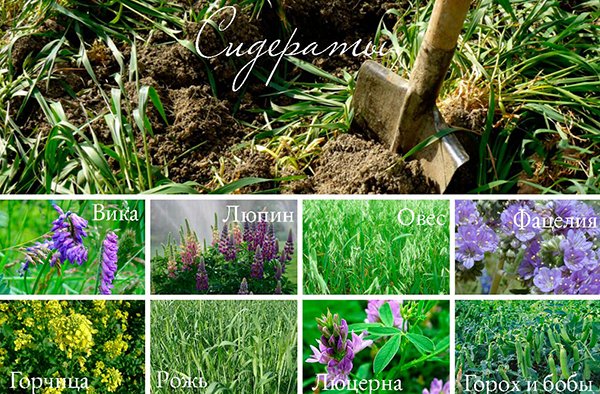
Good green manure will certainly enrich your garden with nutrients if sown and cultivated correctly. Be sure to mow the grasses promptly, otherwise their stems will become so coarse that they will rot in the soil for too long, which will have the opposite effect: a lot of rot will accumulate in the substrate, and various fungal growths may develop.
It's also not a good idea to leave green manure in the ground for too long, supposedly until it's fully ripe. This will cause the soil to become overly saturated with nitrogen. This will cause vegetable crops planted after the green manure to "burn."
Another key recommendation for using beneficial grasses is to sow them in scattered patterns rather than in rows. This will give you an excellent opportunity to eradicate weeds from the soil. The technique for mowing green manure depends largely on your goals. If you want to restore the soil, use a scythe or a flat-top cutter to trim the grass. This will prevent damage to its root system.
Plant fertilizers are a great alternative to ready-made mineral mixtures. They will help you be more mindful of the soil you use to grow vegetables and herbs.
Video "The Best Green Manure for Your Dacha"
In this video, an expert will explain how to plant green manure crops in your garden and dacha, and which ones to plant. He'll also explain whether it's best to plant green manure crops in spring, summer, and fall, and what their benefits are.
Main types
Whether phacelia or mustard is better as a green manure, or perhaps another vegetable crop, is a gardener's first consideration when looking to improve the fertility of their plot. To choose the right nutrient-rich plants, first study their main varieties and determine which vegetables and herbs they are best suited for. Based on this information, you can make an informed choice.
Legumes
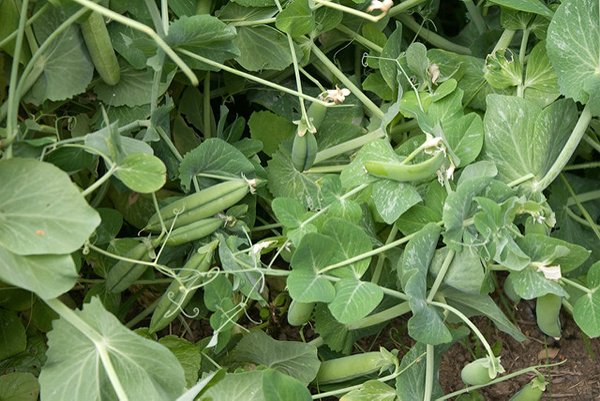
The best green manure to sow in the garden is legumes. This category includes field and forage peas, broad beans, soybeans, lentils, chickpeas, beans, clover, as well as alfalfa and sweet clover.
Peas, for example, can replenish depleted soil with nitrogen, phosphorus, and organic matter. As for broad beans, they are mostly rooted in heavy clay and peaty-boggy soils. This crop is characterized by good frost resistance, so it can be safely planted on the eve of winter.
Cereals
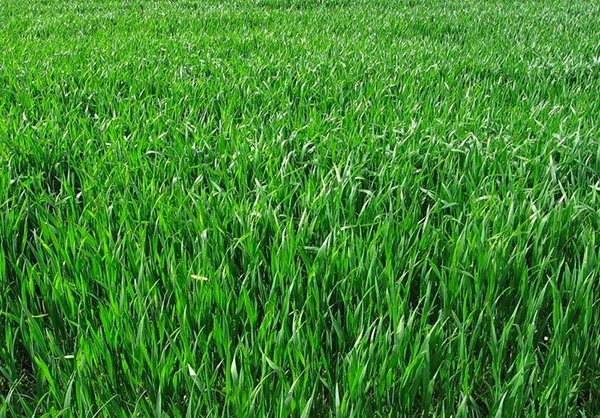
The best green manure crops to sow in the garden in spring are cereals. If your soil is low in potassium, it's recommended to plant oats. In this case, the seeds will need to be established in early spring, and it's best to incorporate the sprouted grasses into the soil before the budding stage begins. Rye, for example, will significantly improve the physical condition of the substrate. But before sowing, make sure the soil in your garden or vegetable plot is moist—rye can dry out the soil excessively.
Cruciferous vegetables
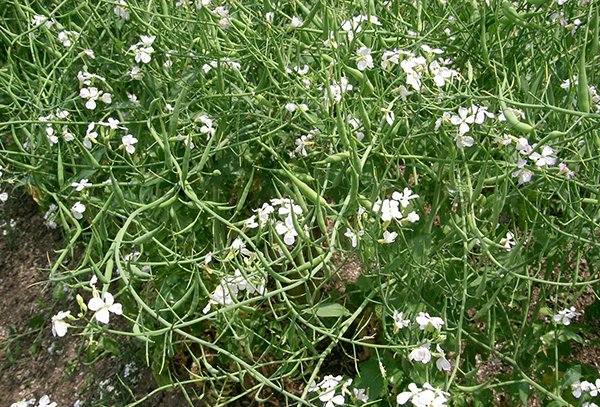
This group of green manure crops primarily includes oilseed radish. It is an excellent nutrient-rich crop for all types of soil, preventing the development of nematode worms. It is best to plant this crop in June, and it is recommended to incorporate it into the soil in late autumn.
Hydrophilic
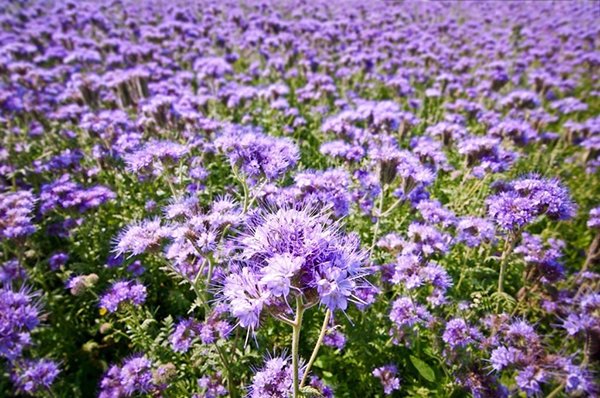
Sowing phacelia in the garden is a good idea for any Russian gardener. This plant is a good honey plant, so bees gather in large numbers around its flowers. The leaves and stems of this hydrophilic green manure have a beneficial effect on the soil, as they contain a high amount of nitrogen.
Asteraceae
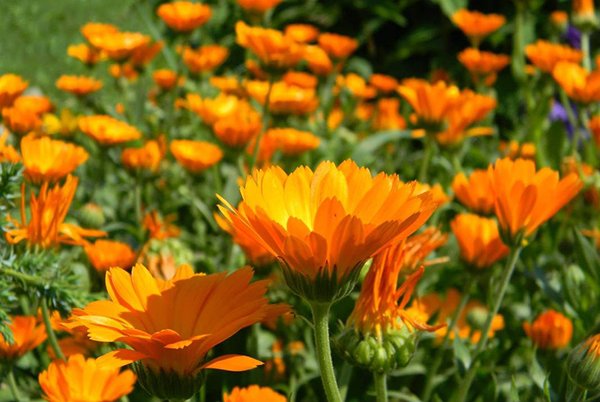
Sunflowers, as well as marigolds and calendula, fall into this category. These plants are considered annual green manures. They are excellent soil improvers. Sunflowers, for example, have strong rhizomes that grow quickly. They can be planted as a natural fertilizer in almost any garden plot.
Buckwheat
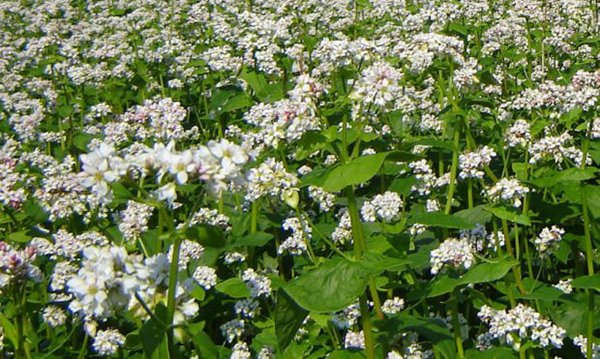
It's worth rooting buckwheat in your garden. It's notable for its extensive root system (about 1.5 m long) and its rapid growth. Buckwheat deacidifies the soil, enriches it with vitamins, and also loosens and drains it.
Amaranthaceae
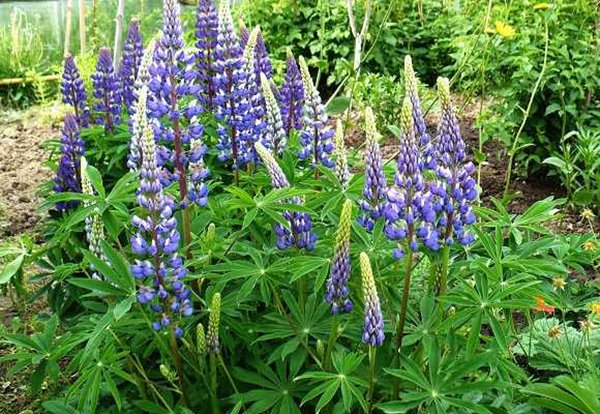
You can also significantly loosen the soil using amaranth green manure plants. They also increase substrate fertility and provide nitrogen to other garden crops, making them a useful soil fertilizer.
Time for landing
It's easy to find the best green manures for your own garden. They require little care and are undemanding to temperature, so they can be planted outdoors in both spring and fall. If, for example, you start rooting these nutritious herbs in your garden in October, they'll have already established a healthy growth base before the winter cold sets in.
Landing site
It's crucial not only to select high-quality green manure plants but also to carefully select the right location for their rooting. This will depend on your immediate goals. You can sow green manure in the following areas:
- in open areas. The seed takes root in areas that remain unplanted with other plants;
- in the garden bed. This is done either in the spring before planting vegetables and greens, or during the summer. In this case, fragrant green manure around the perimeter of the bed will protect your plants (for example, potatoes) from insects;
- in the space between rows. Green manure will prevent insect infestations and weed growth;
- between trees. In this case, green manure plants are planted not only for aesthetic purposes. They also mulch the soil, which is beneficial for the trees.
Choose green manure wisely, determine in advance the time and place for its rooting, as well as the method of processing.