
How to easily grow zucchini in your garden
Content
A little about the variety
Zucchini, like squash, belongs to the Cucurbitaceae family. Its shape and color more closely resemble a giant cucumber with pumpkin skin. Although the vegetable's name clearly has Italian roots, it is believed to have been brought from America by Italian immigrants. Zucchini can safely be considered an improved form of squash: the plant is more compact and has an attractive decorative appearance, a richer and more delicate flavor, can be eaten raw, has a longer shelf life, and retains its flavor better.
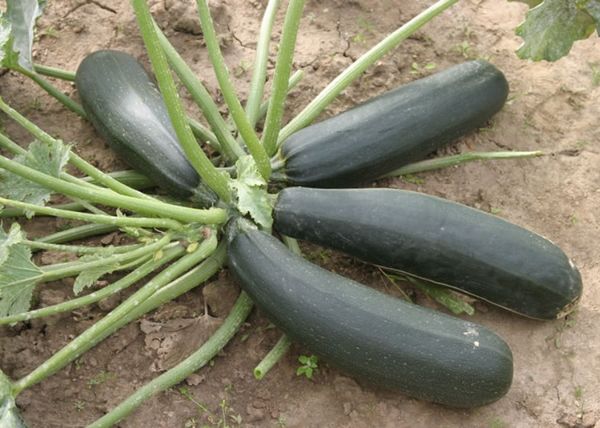
And, of course, the biggest advantage for gardeners is the predominance of female flowers. The bushes reach approximately 1 m in diameter, with large, patterned leaves. The fruits are typically elongated and cylindrical, and come in various sizes. The skin can be a soft green with rich, dark emerald stripes, or bright yellow. The shape, size, and color depend on the variety. The most productive varieties are considered to be Iskander, Tsukesha, and Yellow Zucchini Squash.
Soil preparation and planting
When growing zucchini outdoors, choosing the right location is crucial. A well-lit spot with partial shade or diffused light is ideal. The soil should be loose, sandy loam, and neutral to alkaline. It's also important to avoid planting zucchini in beds previously occupied by other cucurbits. Changing the location will help prevent potential infections or attacks from pests that have taken up residence in the soil. Raised beds or compost piles mixed with soil and sand are good choices for planting.
For planting, you can use either seeds or seedlings, depending on the time you have available. It's recommended to prepare the soil in advance to allow it to settle and absorb nutrients from the fertilizer. In late fall, the bed is dug up and rotted manure is added, along with equal parts double superphosphate and potassium sulfate. If the soil is slightly acidic, wood ash is added. Immediately before planting, the area is dug over again, leveled, and fluffed. To disinfect the soil, a solution of potassium permanganate and ammonium nitrate are added.
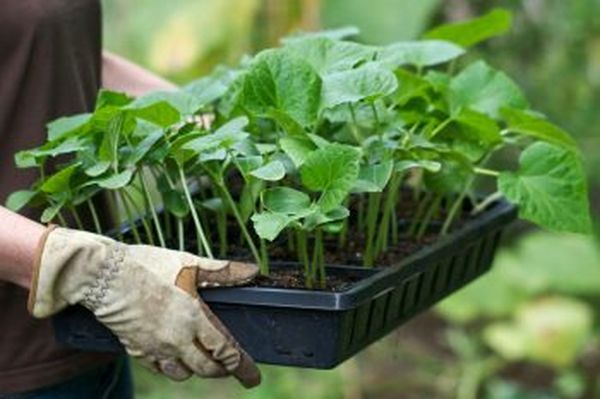
Zucchini seeds are best planted in mid-May, when the air and soil have warmed up sufficiently and any chance of night frost has passed. Before planting, it's recommended to germinate and harden the seeds slightly. To do this, keep them in damp cheesecloth or a large-pored sponge for two days. Harden the seeds by placing them in a cool, freezing temperature. After hardening, move them to a sunny location for about a week. Depending on the soil, make a hole 4 to 6 cm deep. Plants are spaced approximately half a meter apart.
Add a small amount of fertilizer (humus, ash) to the hole and moisten it. Next, place the seeds, two per hole, cover with soil, and sprinkle with a small amount of peat, dry soil, or humus. After the second seedling emerges, remove or replant. To ensure strong and viable seeds, the soil should be sufficiently moist and the temperature above 20°C. If you have the time and inclination, you can prepare zucchini seedlings for planting. This should begin as early as April.
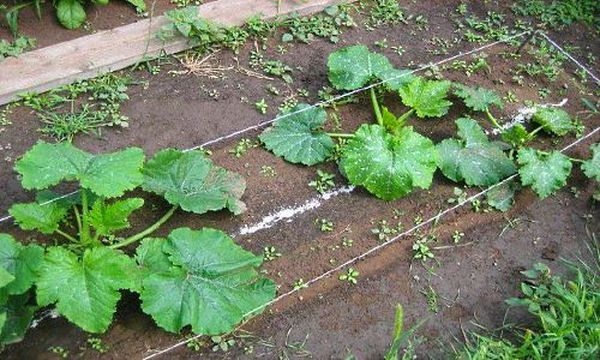
Before planting in containers, the seeds are germinated in a solution containing a growth stimulant. Next, fill small containers (plastic cups are fine) with equal parts peat and compost and moisten with warm water. You can make holes for the seeds with your finger; they don't need to be wide or deep. Water the seedlings every 5-6 days with warm water. For additional nutrition, it is recommended to use a complex fertilizer, crystadin, or calcium nitrate. After a month, the seedlings can be planted outdoors. Choose a warm, sunny day for planting, and thoroughly moisten the soil.
It's best to save space and plant the seedlings spacingly. If the temperature is low and the soil isn't warm enough, create mini greenhouses over the seedlings. With favorable temperatures and proper care, the first fruits will appear in as little as 40 days.
Rules for caring for the crop
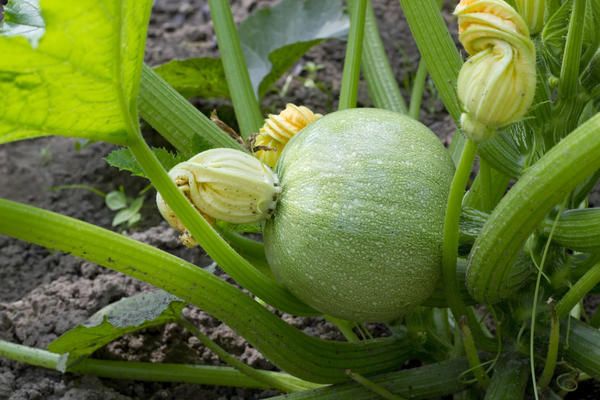
Growing zucchini is simple, but labor-intensive. To ensure a bountiful harvest, care must include a series of necessary regular procedures. This plant is quite demanding. For the vegetable to grow, develop, flower, and bear fruit, the air temperature must not drop below 23°C (73°F). Water zucchini with warm, settled water, being careful not to let the liquid get on the leaves or buds. Otherwise, the plant may rot.
During flowering and fruit ripening, it's important to keep the soil well-moistened. Also, don't forget about fertilizing. Fertilize the plant for the first time when the leaves appear. A second feeding should be done approximately two weeks later. This feeding should include both organic and mineral fertilizers. During the period of active fruiting, you can also feed the plant in small amounts, adding the fertilizer along with water. Mix mullein with ash and a small amount of superphosphate, stir in water, and gently pour it under the zucchini root, a short distance from the main stem.
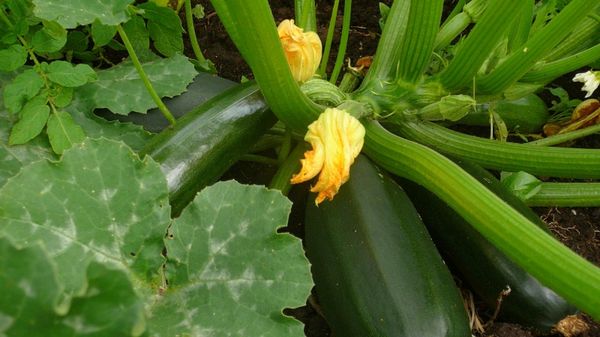
To ensure good ventilation and to prevent the development of fungal diseases and parasites, the plant should be regularly weeded and excess foliage removed as needed.
Excessive green foliage interferes with air circulation, soil warming, and pollination. It's also important to loosen the soil and ventilate the plants, especially if they're in a greenhouse or hotbed. In a greenhouse, it's important not only to grow the vegetable but also to pollinate it. If insect access is limited, female flowers are pollinated manually, transferring pollen from the male flowers to the female ones using a brush or gauze.
What is important to know about growing
Growing zucchini outdoors has its own nuances that must be taken into account:
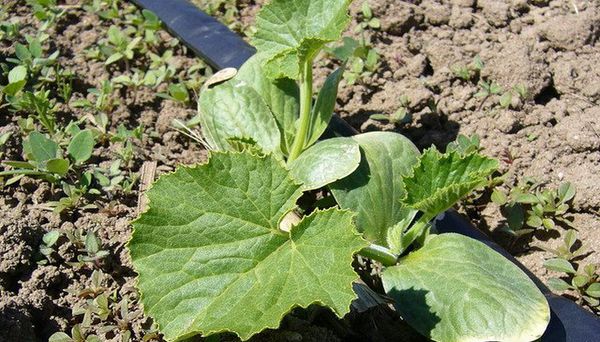
- The crop's sensitivity to frost. Even short-term light frosts of 1–2°C below zero lead to plant death;
- If the seeds are left in cold soil for a long time, the sprouts will most likely be weak and non-viable;
- The vegetable requires well-moistened soil: even a slight drought can cause the plant to lose its flowers and fruit. However, overwatering can also lead to disease and pest infestations.
- shading and thickening of bushes lead to a decrease in yield;
- Lack of humidity or light, excess fertilizer, and cross-pollination affect the taste of the fruit.
Harvesting and storage
Zucchini doesn't ripen as quickly as white squash, but it keeps longer and retains its flavor. Harvest the fruit once a week or more often, depending on how it's used. The roots should be trimmed with a sharp knife, not torn off. Smaller fruits, up to 20 cm long and weighing around 100 g, are best for fresh consumption. Larger, underripe specimens are best for preserves and canning.
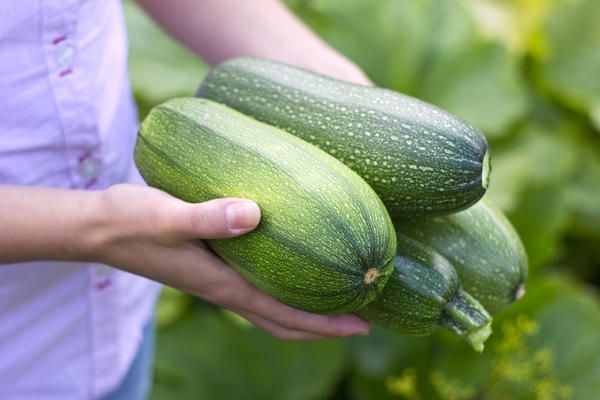
For seed collection, select fully ripe zucchini of the correct shape and color. Store them in a well-lit area, and harvest the seeds in early winter. Fresh zucchini requires a cool, dry place to store. If kept free of condensation, the zucchini will keep until spring.
Yellow, bright emerald zucchini fruits will decorate not only your table but also any decorative arrangement. Therefore, to enjoy both the taste and the aesthetics, we recommend you definitely try growing this vegetable.
Video: "How to Grow Zucchini Properly"
This video will teach you how to properly grow zucchini in your garden.