
How to choose high-quality seeds for seedlings
Content
General recommendations
For those new to gardening but looking to navigate the entire growing process from start to finish, experienced gardeners have provided several universal tips for choosing seeds. This issue is becoming increasingly important these days, as there are so many companies selling seeds. It's also worth noting that the right approach will save you not only time and money, but also stress. Here are some basic buying guidelines:
- Never buy seeds spontaneously or thoughtlessly. Before the new season, check what you have left over from last year: what's enough for sowing, and what needs to be purchased additionally. Consider what new things you want to plant this year and which crop seeds you want to buy. It's best to make a list so you don't get lost in the store and buy too much or miss out on essentials. If you find yourself at the store unexpectedly, buy only the essentials in small quantities.
- Many people prefer to buy seeds from a reputable, trusted store. This is certainly a good thing. However, visiting several stores will not only allow you to compare prices but also expand your selection. You can also order seeds online, where consultants can help you make your choice, and the products are often cheaper.
- It's very convenient to team up with family, friends, and neighbors for a joint purchase. This will help you buy seeds at wholesale prices and save money. You can also exchange seeds.
- Try to buy seeds from different, trusted producers. It's best to buy a small amount rather than just enough.
- Pay attention to the expiration date of the seeds and the crop's origin. Expired seeds are not suitable for planting, and exotic crops do not grow and yield in all climate zones.
Video: How to Choose Quality Seeds
In this video, an expert will explain what you should pay attention to when choosing and purchasing seeds to ensure you don't miss out on a harvest.
Packaging requirements
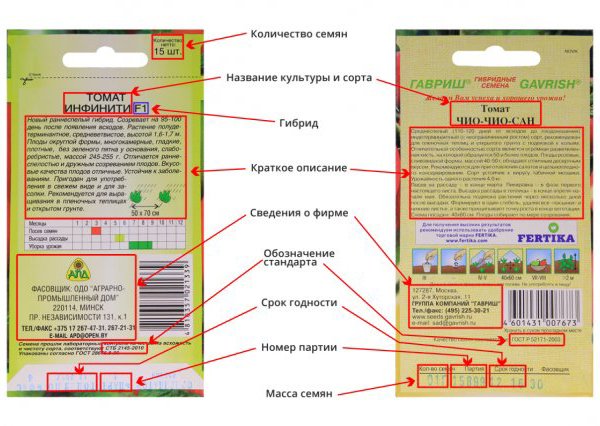
If you're new to gardening and buying seeds without an experienced guide, the first thing you should do is check the packaging. It must be made of thick, waterproof paper and free of any smudges, washed-out spots, or washed-out or covered markings. It must include the following details:
- manufacturer and all its contact information;
- image of the culture, characteristics, brief information about care;
- name in at least two languages – Russian and Latin;
- mass or quantity of seed material;
- information about the batch and certification;
- technical conditions or standard (GOST, TU);
- expiration date and possibly information on where to purchase.
Pelleted and hybrid seeds
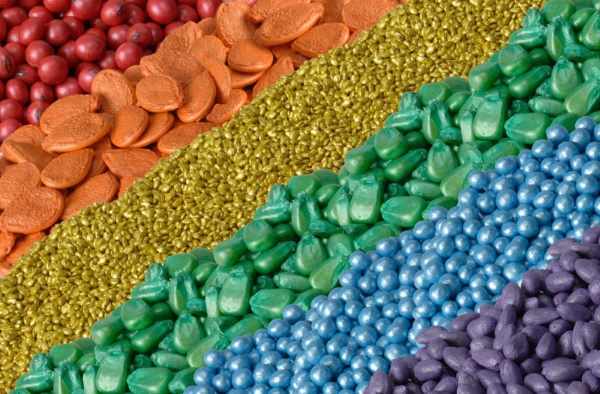
Nowadays, it's possible to choose pre-prepared seed for planting. The small and lightweight seeds of some crops can be pre-treated by applying a protective nutrient coating. This coating usually comes in a variety of colors. These seeds are characterized by good germination, resistance to pests and diseases (the treatment contains a fungicide and insecticide), and higher yields. Furthermore, they are easier to plant and require no thinning. They don't need pre-soaking; the main thing is to plant them in well-moistened soil.
Seeds treated with growth stimulants have also recently become available. Many gardeners are increasingly choosing hybrid seeds. While it's impossible to harvest seeds from hybrid varieties, the characteristics of these cultivars are far superior to those of conventional varieties: higher yields, frost resistance, resistance to diseases and pests, drought tolerance, and marketable fruit.
A reliable place to buy
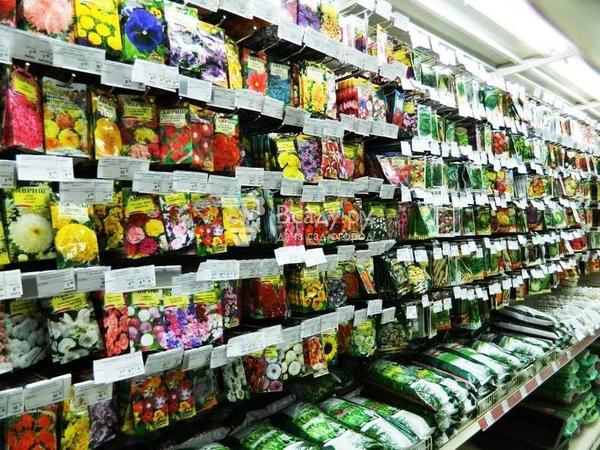
You can follow the advice of manufacturers and purchase planting material only from specialized stores. These can be brick-and-mortar or online stores. Purchasing seeds from these stores protects you from purchasing low-quality material, as they often work directly with the manufacturer. Furthermore, you can always get expert advice from a salesperson or consultant who will help you make a choice and show you the selection. You can also review product documentation and quality certificates if desired.
Buying seeds online from new sites (especially foreign ones) is quite risky. The prices are very attractive, but you can't always be sure of the quality. If the company has a good reputation and plenty of reviews from "real" buyers, it's worth a try. But don't order too much your first time. Limit yourself to a small quantity of a few items, depending on the amount you're willing to risk.
How to check quality
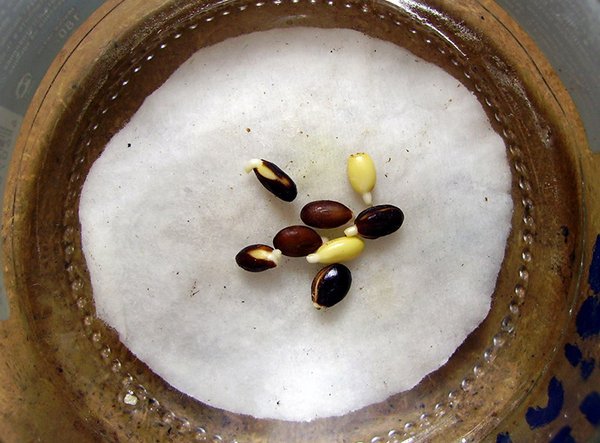
You can check whether you've chosen the right seeds with a simple germination test. Dampen a couple of cotton pads, place a dozen seeds between them, and place them in a warm place. After about two weeks, check to see if the seeds have sprouted.
It is best not to skimp on seed material in order to achieve the expected result.