
How to improve soil fertility and composition on your property
Content
What soil needs improvement?
You can determine the quality of your soil by having it tested in a lab, which is expensive. Let's try to determine the basic soil characteristics ourselves. First, look at the color: if it's brown, the soil is rich in humus and will grow well with almost any crop; if there's a whitish coating, the soil contains a lot of carbonates (carbonate salts). To be sure, take a handful of soil and add a drop of hydrochloric acid. The characteristic fizzing sound indicates a chemical reaction with the carbonates.
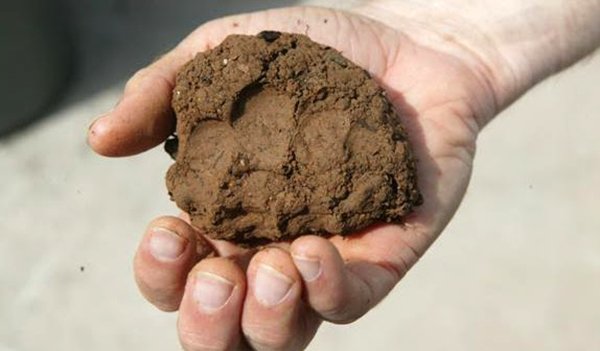
If you formed a lump of soil and it didn't fall apart when it dried, you have clay soil. This type of soil is permeable but not airy, forming a crust on the surface, preventing oxygen from reaching the root system. If the lump crumbles after drying, you have sandy soil. This type of soil drains well, but also loses water just as easily. Both types of soil require improvement.
Sandy loam and loamy soils are best for cultivation. One of the simplest ways to improve the soil is by tilling it. Annual plowing is beneficial for crops because it increases the soil's aeration.
Video: "How to Improve Soil Fertility and Structure"
In this video, an expert will explain how to easily increase soil fertility and improve soil structure without manure or fertilizers.
Change of structure
Clay substrate
So, we've already established that clay substrates are heavy, compacted, and poorly aerated. While rich in nutrients, they freeze very quickly in winter and take a long time to warm up in summer. When snow melts or rains, water collects on the surface and percolates very slowly into the lower layers. Stagnant water leads to soil acidification, which is detrimental to growing plants.
This type of soil contains little humus. During heavy rainfall, the clay floats, and after drying, a crust forms, making plowing difficult. The crust on the surface prevents air from penetrating deeper layers, leading to soil desiccation. Plant roots struggle to penetrate this type of soil. But it's not all doom and gloom; many of these problems can be corrected within a few seasons. We'll discuss how to improve the structure of clay soil below.
First of all, you need to remove any uneven areas from the plot. When digging a garden with clay soil in the fall, avoid breaking up large clods. Autumn rains and snow will easily break up these clods, thus improving the structure of the topsoil.
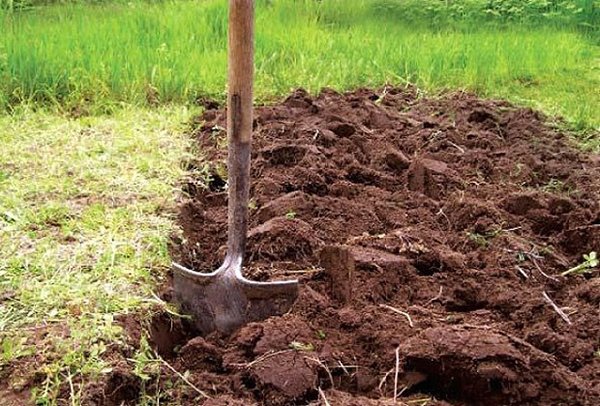
The garden plot should be dug over before the rainy season. The procedure should be repeated in the spring. To increase the mineral content, agronomists recommend spreading crushed brick, sifted through a coarse sieve, over the plot before digging. Apply a 13-cm layer. Then plow the entire layer under. Repeating this procedure over several years can improve the structure of clay soil to excellent levels.
Adding sand at a rate of one bucket per square meter is the best advice for improving the structure of clay soil. In all cases, remember that organic matter improves soil structure, while brick, ash, and sand further enhance this effect.
Green manure plants also improve the soil structure.
Sandy substrate
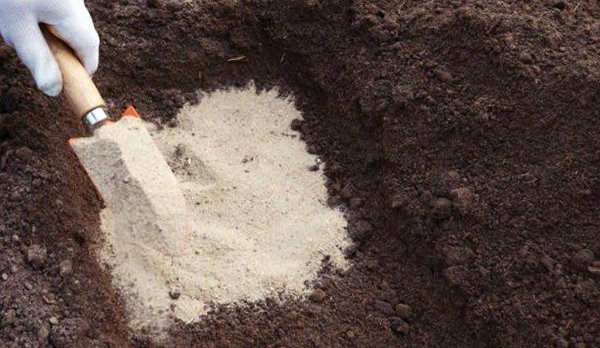
The main problem with sandy soil is that it retains moisture and heat poorly. It cools significantly at night, and moisture evaporates within a couple of hours, even if the soil is thoroughly watered. The solution is to increase the cohesion of soil particles, which can be achieved by:
- add organic matter (and more of it);
- sow green manure plants;
- claying of the soil is carried out (addition of dry powdered clay).
Once the soil in the area becomes suitable for plant growth, mulching should be done each summer to reduce evaporation from the surface. To prevent the soil from freezing deeply, its heat capacity should be increased as winter approaches. This can be achieved by watering generously.
Improving fertility
Fertilization
The main method of improving soil fertility is the application of fertilizers. This can be rotted manure or compost. When applying organic fertilizers, follow the rule: apply them no deeper than 10 cm. This ensures that the surface layer provides an excellent environment for the growth of microorganisms and earthworms, which naturally loosen the soil, allowing moisture and air to pass through easily.
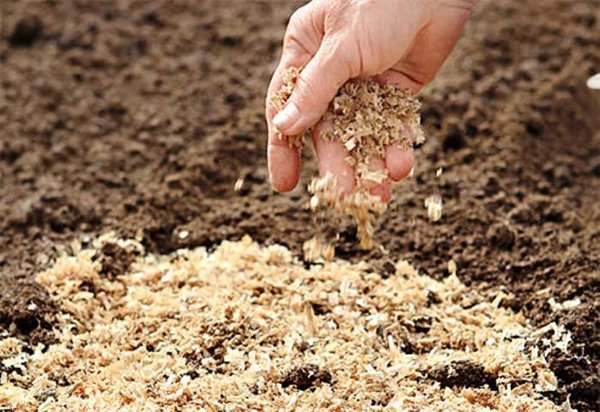
Another type of organic matter is peat and sawdust. The peat should be well-weathered. Red peat is not recommended, as it contains a high amount of iron and is more harmful to plants than beneficial.
Wood sawdust is added at a rate of one bucket per square meter. However, using it can have a counterproductive effect, as it decomposes and absorbs nitrogen from the soil. To avoid negative consequences, water the soil with a urea solution before adding sawdust. Sawdust previously used for animal bedding can also be used.
Next, we will talk about how to improve soil fertility using river sand.
During autumn tillage, add sand and humus to clay soil. It's important to remember that this procedure should be repeated regularly, as the humus will be taken up by the crops you'll be growing, and the sand will settle.
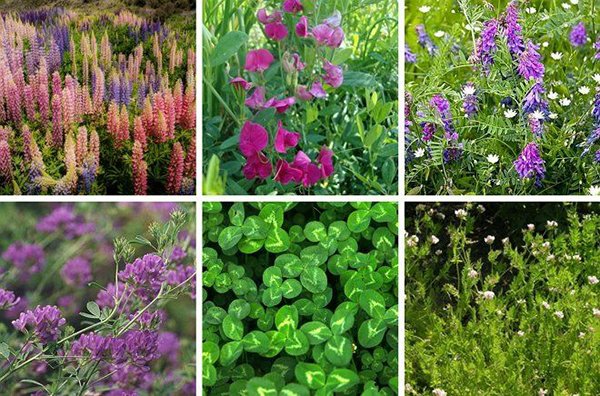
Use of green manure
Properly selected plants improve the soil. They are called green manure. Many gardeners are interested in how to use green manure to improve soil fertility. These plants help loosen the soil, and with their long roots, they extract nutrients from the deep soil, which will later be used by vegetable crops, and retain them in the upper layers of the soil.
These plants are used to produce humus. However, humus only develops in well-moistened soil, so the cut plants you place between the beds should be watered periodically.
Soil rest
The soil contains thousands of microorganisms, which, as they die, release accumulated organic matter into the soil. These microorganisms also digest animal remains. This is how healthy, unexhausted soil thrives. Living soil is capable of not only nourishing plants but also restoring its fertility.
Why do you think farmers left the land alone for a while, as its yields diminished? Because over time, it becomes protected by a layer of sod, and organic matter accumulates there without the need for fertilizer.
Crop rotation
Crop rotation promotes the rational use of soil fertility. This is achieved by carefully selecting the best crops to serve as precursors for subsequent crops, ensuring their favorable development and growth.

Legumes have a beneficial effect on the soil. They improve the soil's nitrogen balance, increasing its fertility. Crop rotation allows humans to implement a scientifically sound approach to farming.