
Why snow is dangerous for your garden and how to save your plants
Content
The danger of snow for plants
Of course, garden beds thrive under a blanket of snow. But only if the snow is fluffy and soft. If it becomes compacted or covered with an icy crust, the consequences can be quite disastrous, as such a blanket prevents air from passing through, and the plants underneath quickly suffocate or freeze.
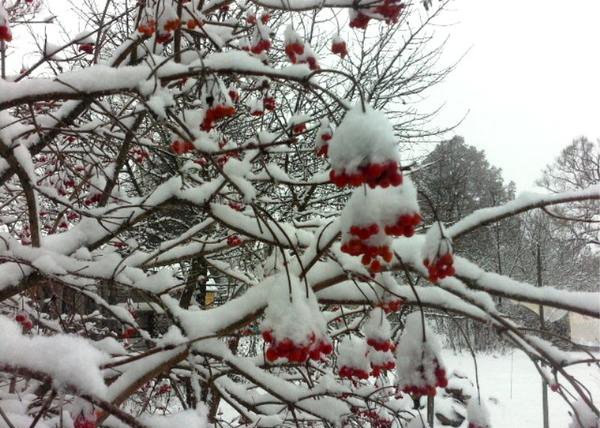
An equally dangerous situation is the abundance of heavy, wet snow. It accumulates on tree branches, and with the arrival of thaws, it becomes covered with a thick, icy crust that can easily break off branches.
Furthermore, snow accumulation can collapse the eaves of buildings on your property, break gutters, or even snap electrical cables. Therefore, large accumulations of snow should be removed whenever possible.
How to protect
Don't panic when the first frost sets in. Even the most heat-loving plants can easily withstand a slight drop in temperature—down to -7°C. Furthermore, plant root systems only suffer when the ground freezes to a depth of more than 5 cm. This situation (frost below -7°C and deep soil freezing) is an indication to cover your plants. If you do this earlier, your plants will suffer not from the cold, but from overheating.
First of all, young seedlings should be covered, as they are the ones most susceptible to low temperatures.
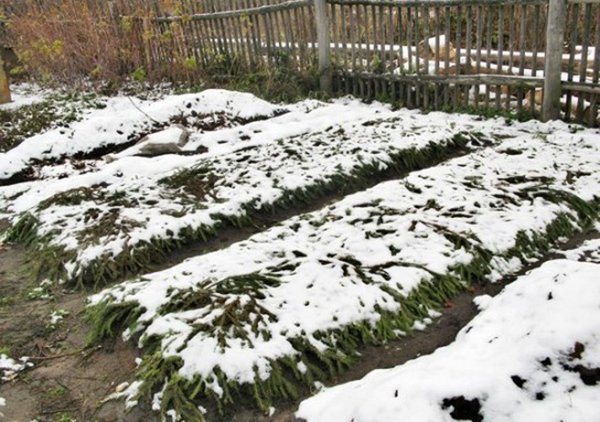
Spruce branches are the optimal shelter—they not only protect from frost but also trap snow. If a trip to the nearest forest stand for the necessary materials is impossible, scraps of collected perennials, sawdust, peat, and even burlap can be used as alternatives. The only thing you should avoid is dry hay or straw, as they often harbor rodents.
Video: "How to Properly Cover Plants for Winter"
In this video, an expert will explain and demonstrate how to properly cover plants for the winter.
What to do in case of icing
But the main danger to plants isn't the frost or snow itself. They suffer most from the small ice crystals that form in their tissues during freezing. If the temperature drops slowly and then rises just as slowly, garden crops generally survive these situations and recover readily.
If the cold weather sets in suddenly, the consequences can be irreparable.
Farmers should monitor weather forecasts and arrange protective shelters for their crops in a timely manner to prevent them from becoming icy.
It's important to retain as much snow on the beds as possible—it acts as a kind of insulator, preventing the cold from reaching the root system or tender young shoots.