
Alcohol and 6 More Ways to Kill Weeds
Content
Chemical methods
Controlling green pests is a protracted process, similar to treating a chronic disease. There are many ways to alleviate the symptoms. However, after a certain period, they reappear. At this stage in the development of agricultural science, chemical weed control is the most effective, despite a significant number of opponents of this approach.
Herbicide classification categorizes existing products based on their spectrum of action. For example, complex herbicides affect all plants without exception. This procedure requires covering all plantings to prevent exposure to the active ingredients. On the other hand, specific herbicides target specific weed species. Chemical weed control products are used where other methods are ineffective or would disrupt the aesthetics of a garden plot.
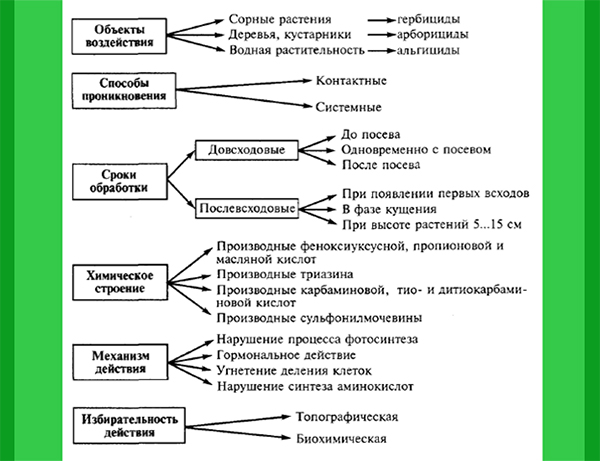
In some cases, one can observe a panicky fear of any treatment that is in any way connected with the great science of chemistry. It is believed that laboratory-made substances poison the soil and everything that grows on it. However, new-generation herbicides are used only on the plants themselves, and their components do not accumulate in the soil. It is also known that only negligence and failure to follow instructions can cause harm to the garden and to humans.
Basic rules for the use of chemical treatment:
- the procedure should be carried out in windless, warm and dry weather;
- Cultivated plants need to be isolated using film, especially if complex action products are used;
- It is strongly recommended to wear protective clothing to protect the skin and mucous membranes from exposure to pesticides.
Video: How to Get Rid of Weeds
In this video, an expert will tell you how to get rid of weeds in your garden.
Biological control
Of course, this isn't some terrifying virus that only infects creatures with a specific set of genes. The kind you only see in movies or in the wilds of conspiracy theorists. Biological weed control involves creating conditions in which wild plants cannot thrive.
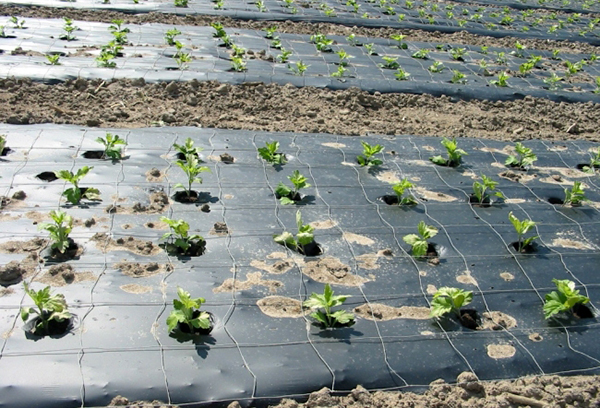
One effective method is to cover the soil with mulch, film, boards, and even laminate. It's important that the material be opaque. This system works by depriving plants of the light necessary for photosynthesis, inhibiting weed growth and gradually stopping. It's important to note that such measures require patience, as noticeable results may only appear after several seasons.
Traditional strike
Among the traditional methods of combating plant pests that have come down to us through many generations of farmers:
- digging;
- weeding;
- manual removal.
They are also known as mechanical, and while remaining effective for centuries, they require sacrifices in the form of time and hard physical labor.
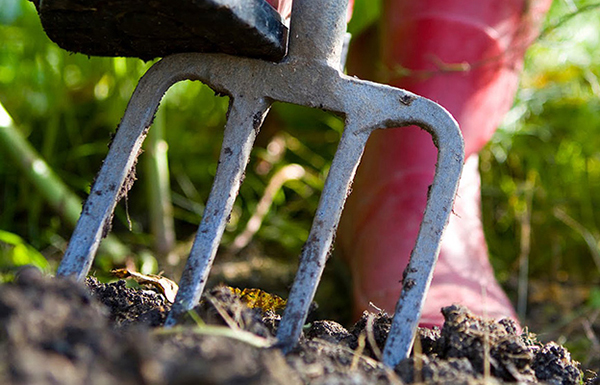
Digging up a garden helps bring weed roots to the surface. Sometimes, a pitchfork is used instead of a shovel, allowing the root system to be pulled out without causing unnecessary damage. Manual weed control is unrivaled in areas where caution is required in dense plantings.
The development of agriculture has adapted traditions to modern opportunities. Using a walk-behind tractor allows for deeper soil cultivation and the elimination of particularly difficult weeds.
Substitution technique
The substitution technology is based on the principle that nature abhors a vacuum. This is confirmed by what gardeners observe every day: weeds that have taken over unseeded spaces. Therefore, if you fill the available space with vegetables, herbs, and other crops, they will simply crowd out the pests.
Plantings should be dense, but adhere to agricultural standards. Too much crowding can lead to the development of fungal diseases, small root crops, and other developmental problems.
Green manure crops, which help enrich the soil, can be used as a successful substitute. Furthermore, if bindweed has invaded the garden, sowing mustard will solve the problem.

Fire methods
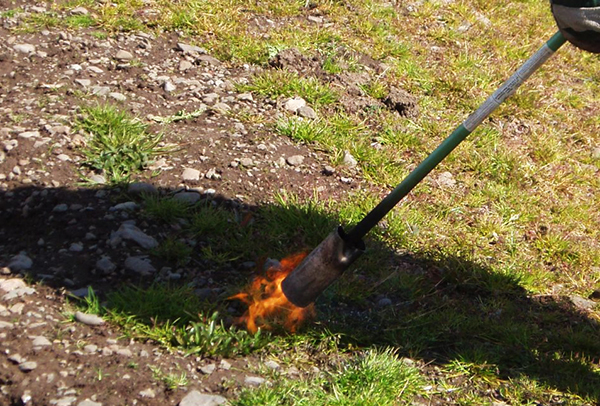
This method was born from domestic folk imagination. It's worth noting that, in addition to its exotic appeal, it's also effective. However, thermal weed control methods require caution and precision. The principle involves exposing wild seedlings to heat and a sliding flame from a blowtorch or heat gun.
This encounter between fire and sprouts proves fatal for the latter. The danger lies in one thing: if you linger too long in one spot, you risk burning out your own crops.
Alcohol boom
A rather eccentric method originating in America. It originated over 80 years ago, but continues to generate considerable interest among gardeners. Alcohol is believed to have a stimulating effect and accelerate plant germination. The method involves using a six-percent alcohol solution a month before planting. This period is sufficient to weed out any emerging grass and then work with "clean" soil.
Severe exhaustion
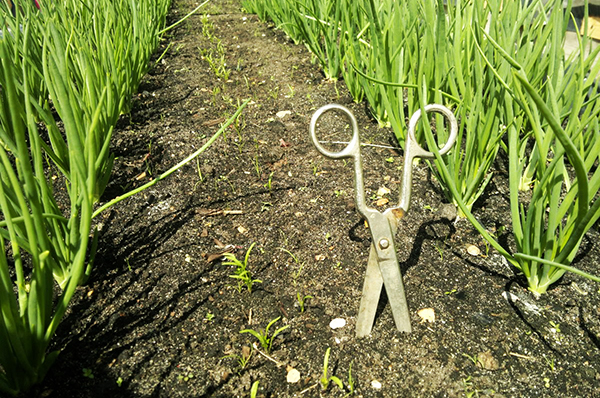
Such measures to combat overgrown weeds require a systematic approach and patience, although they don't require significant physical effort. The principle of this approach is to systematically cut plants back to ground level. The energy and nutrients extracted from the roots to restore the above-ground parts will eventually be depleted, and the unwanted weeds will only wither and die.
The downside of this system is the long-term nature and constant renewal of the weed "assortment." New seeds, carried by wind and animals, germinate and easily displace their weakened counterparts.