
Rules for planting and growing garlic from seeds
Content
Spring planting rules
Farmers most often prefer to use seeds as seed. When planting bulblets in the ground, the technique itself may vary depending on the time of year and other factors. Therefore, there are several spring planting methods:
- before the onset of winter;
- in the spring;
- direct.
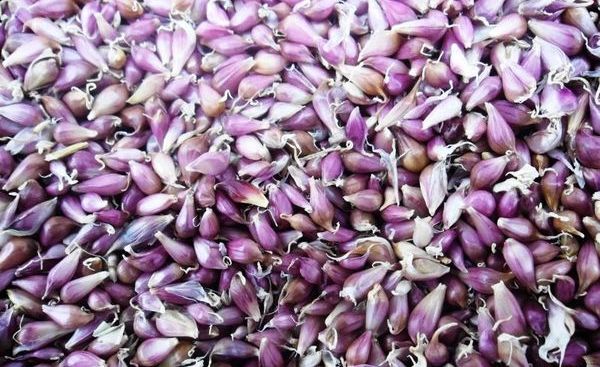
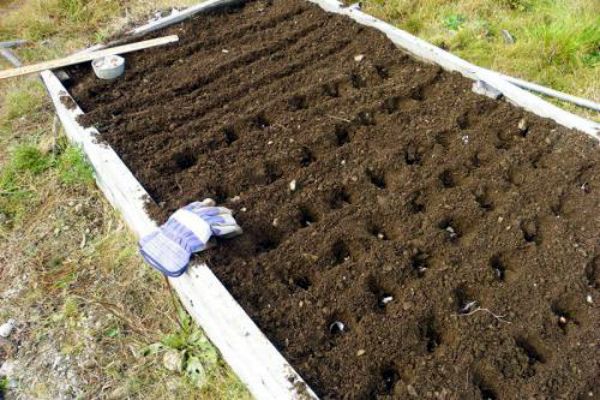
If you decide to carry out this process in the spring, you may encounter its own difficulties. The soil is too frozen and hard after the snowmelt, and possibly even after the ice has formed, so digging it in early spring, which is precisely when the plant needs to be planted, will be too difficult. Experts recommend preparing the beds in the fall. How do you store the planting material? The bulblets should be wrapped in newspaper and placed in a box. This will prevent them from drying out and rotting before spring.
However, it's recommended to prepare not only the soil but also the bulbs for planting. To do this, remove them from their "covering" and refrigerate them about a month before planting them outdoors. Don't neglect this rule, otherwise, the garlic you plan to grow in your garden will remain green until late fall, which could lead to vitrification.
What does this mean? You'll end up with immature heads with small cloves. This means you won't be able to use these for cooking or planting, and all your efforts will be wasted.
If you follow this advice and chill the seeds a month before planting, the head will ripen in August and stop producing new cloves, resulting in a fully mature vegetable. In this case, it's crucial to ensure successful planting at this precise moment. Therefore, be sure to follow the instructions for planting garlic cloves in the soil.
Care
Knowing how to grow garlic from seed will help you achieve certain results. However, cultivating this vegetable doesn't end with planting. It's essential to ensure all the conditions necessary for its healthy growth and development. If you choose to plant a spring variety, keep in mind that it requires much more careful care than a winter variety.
The main thing is to follow basic recommendations. The plant needs to be watered occasionally. Fertilizing the soil is also advisable. Another important point is weed removal.
When it's time to harvest, it's best to use a pitchfork or shovel. Once established, the seedlings should be dug up so as not to damage the root system. Any soil stuck to the garlic bulbs should be carefully removed. Don't immediately store the harvest in pantries or cellars. First, spread the harvest out in the sun to allow it to fully ripen. Later, move it under a canopy for partial shade.
After trimming the stems, the garlic heads are usually formed into bunches that can be hung in a pantry or attic. Another optimal option is to scatter the garlic in bags. Storing the harvest carefully is crucial, so it won't spoil before next spring.
Watering
Planting garlic from seeds isn't particularly labor-intensive. However, proper care is essential. Don't forget about watering. Much will depend on your climate. If rainfall is frequent, you can skip watering altogether. However, if the climate is drier, water the garlic seedlings when you notice the top layer of soil has noticeably dried out. You can stop watering this crop completely in August, when the garlic bulb is actively expanding in size and weight.
Top dressing
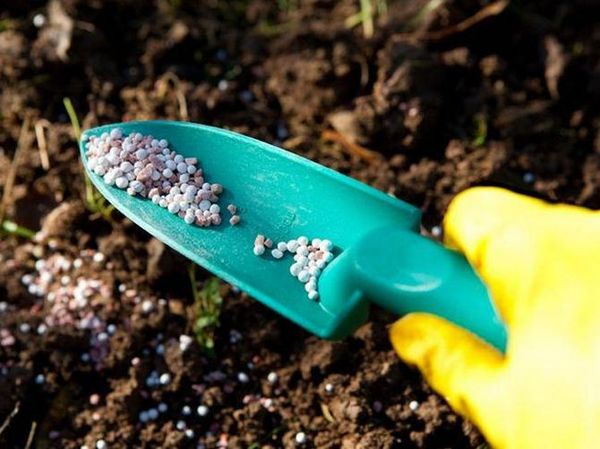
To ensure your garlic seeds produce large bulbs, you need to fertilize the soil. The plant prefers nitrogen-rich mixtures. When the first shoots emerge from the soil, you can also apply potassium chloride. Mineral fertilizers should also be used. Manure or compost can be used as effective fertilizer.
Soil fertilization is done in two stages. While the first application is done when the garlic sprouts, the second application is recommended during the bulb formation period. In this case, complex fertilizers are recommended. Phosphorus and potassium are particularly beneficial for yield.
Rules for planting in autumn
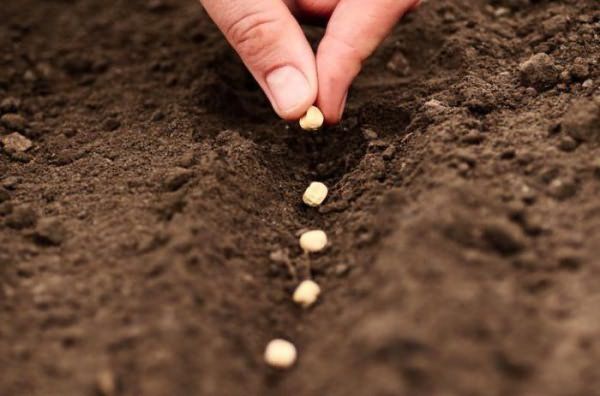
It's recommended to plant garlic seeds in the first half of October. To do this, create multi-row, ribbon-like beds in the garden, each about 4 cm deep. This process isn't always effective. Some of the seeds may simply freeze during the winter, while others are pushed out of the ground when the soil freezes. While they can be replanted in the spring, in regions with extremely low temperatures, it's recommended to plant garlic in early spring.
Care
Growing garlic seeds isn't difficult, but to achieve the best results, proper care is essential. Weeding is especially important. Garlic grows much more vigorously in clean soil. Therefore, weeding should be done regularly.
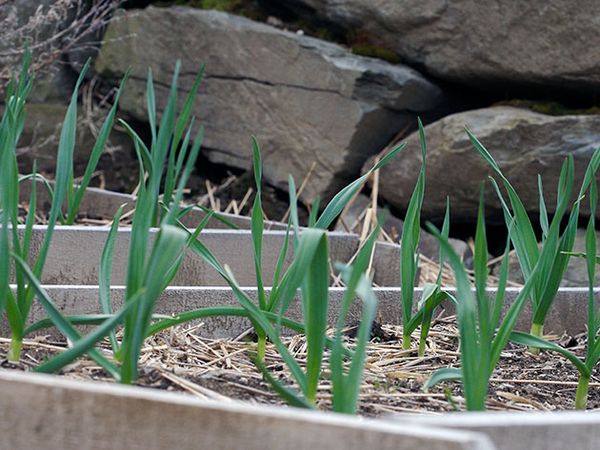
But that's in the spring. With the onset of winter, the farmer won't need to do anything if the ground is covered with snow. This is the best shelter for the garlic bulbs, and they will definitely not freeze. But if the snow has melted, or the frosts are intensifying, and there's no sign of winter precipitation, it's worth getting the gardener involved.
Watering
It's recommended to water the newly grown garlic plants in the fall if there's been a prolonged period of no rain. However, the seedlings don't require frequent watering. The soil shouldn't dry out, so if the top layer of soil has already crusted over, water the seedlings. Moderation is crucial here. Garlic seeds grown indoors will root much faster and better and prepare for the cold weather if they are watered occasionally.
Fertilizers
It is recommended to fertilize for the first time 2-3 weeks before planting garlic in the ground. To do this, you'll need to add wood or straw ash, humus, potassium sulfate, and superphosphate to the soil. When planting the bulbs, you can sprinkle the beds with wood ash or add a small amount of humus. This will ensure much more vigorous growth after winter.

General rules for growing
Growing garlic isn't difficult at all if you follow the basic requirements and know the essential growing techniques. It's also worth paying attention to a few subtleties that may seem insignificant at first, but they significantly impact the success of your garlic cultivation. These include the following:
- Only good, undamaged bulblets should be selected for planting;
- You need to know how to plant garlic correctly - if necessary, prepare the beds for this procedure in advance;
- The harvest must be collected in a timely manner. Around mid-August, the plant's leaves begin to actively turn yellow. That's when the garlic should be dug up.
For beginning gardeners, growing garlic may seem labor-intensive. However, in reality, it's not particularly difficult. The key is to determine how soon you want to harvest, then select good, high-quality seed.
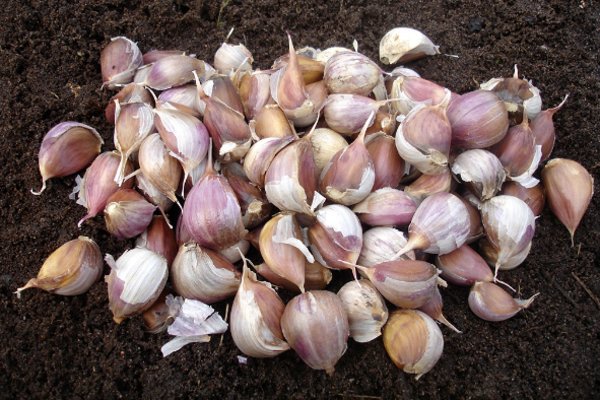
Finding the ideal location for planting garlic is also important; it should receive good light. Follow these basic guidelines, and you'll quickly see results from growing this vegetable in your garden.
Video: How to Grow Garlic from Seed
This video will show you how to grow garlic from seeds.