
How to care for garlic for a good yield per 100 square meters
Content
Soil preparation
To ensure a full harvest, you need to carefully prepare your soil first. Farmers don't always pay enough attention to this aspect, yet it's a key factor in growing garlic. It affects yield just as much as the variety you choose.
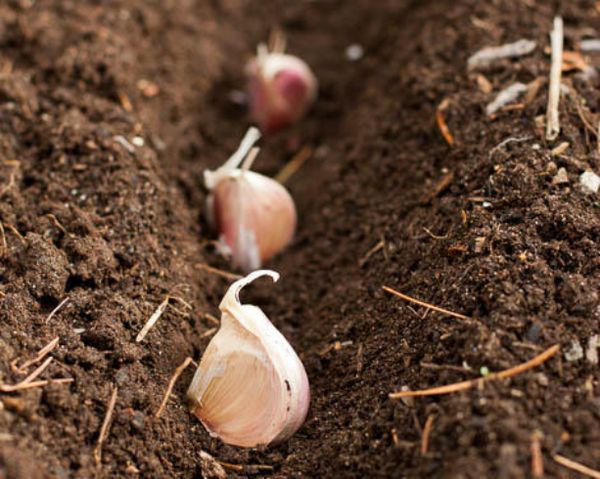
You should prepare your garden for soil work approximately six weeks before planting garlic. The spot you choose for garlic should be well-lit and adequately moist. Sometimes gardeners suffer from groundwater levels too close to the soil. While this is a huge benefit for many plants, it can be fatal for garlic.
The point is that overwatering the root system of agricultural crops is not recommended. Therefore, if you encounter groundwater issues, be prepared to learn the basics of a raised bed and how to plant garlic wisely in this situation.
What type of soil is best for growing garlic? Loamy soil with neutral pH is the answer, of course. As for soil fertility and pH, these characteristics can be adjusted somewhat.
You can fertilize the soil with special mixtures or regular humus, but you can deacidify the soil with slaked lime or dolomite flour.
What other factors should a gardener consider before starting gardening? Crop rotation. It's best not to plant winter or spring garlic after potatoes, turnips, or carrots. As for neighbors, avoid planting peas and beans near your garlic. Otherwise, your garlic shoots will simply be starved of nutrients. But peas aren't the only option. Onions, cucumbers, carrots, and tomatoes are also not ideal neighbors for your crops.
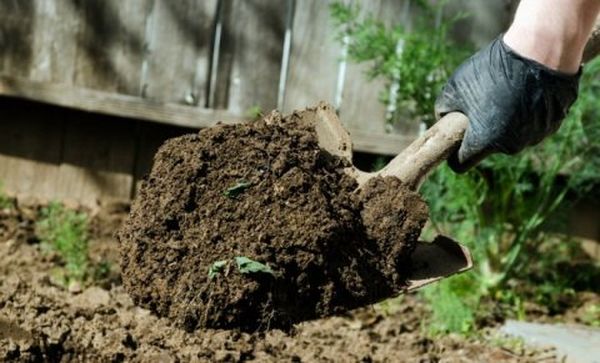
Before planting garlic, you also need to add fertilizer to the soil. Here's how to properly fertilize the soil:
- humus, superphosphate and potassium salt must be mixed and distributed over the soil;
- Manure, double superphosphate in granules and potassium salt are also combined into one mixture - this is an alternative option for fertilizing the soil before planting garlic;
- Compost, superphosphate and nitrophoska – a nutrient solution suitable for garlic.
Which fertilizer option you choose is entirely up to you. The size of the plot where you plan to plant the vegetable seeds is of great importance. Based on this, choose your soil nutrient solution. Remember to prepare the soil in advance. If you're planting spring garlic, you should apply fertilizer to the soil in the fall.
Landing
Experienced gardeners know how to grow a good garlic harvest: it's necessary not only to prepare and fertilize the soil but also to ensure proper planting. If you're planning a garden of 100 square meters, it's recommended to choose winter garlic varieties. Planting them will ensure a bountiful harvest in the fall. However, this isn't recommended if your region expects severe frosts (below -30 degrees Celsius) in the winter. In this case, it's better to choose spring varieties.
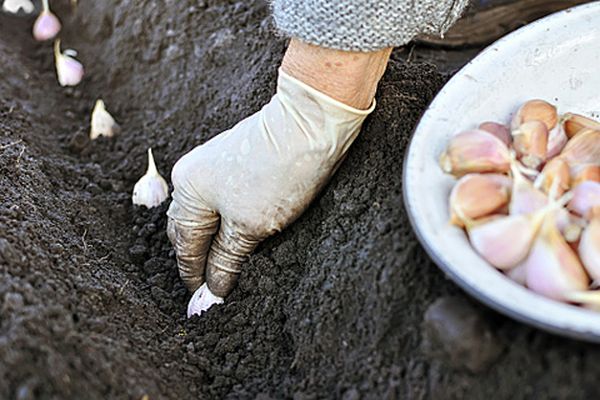
Immediately before planting the plants in a permanent location, it is recommended to treat the planting material in a solution of wood ash.
If you've decided to plant spring garlic, don't wait for the soil in your garden to warm up. It's typically planted in early spring. To do this, dig small furrows and press the garlic seeds deeper into the soil. Don't overdo it: as soon as the plant's root system begins to form, it will immediately "settle" a little deeper.
As for winter garlic varieties, the planting technique is virtually the same. However, timing is crucial. Planting indoor garlic too early, say in mid-September, will cause the shoots to emerge before the cold weather sets in, which is a sure death for the plant (the first frost can destroy the sprouts). It's best to plant in mid- to late October. Also, make sure you have mulch in your garden; it will provide reliable winter cover for the garlic.
Care
A decent harvest can be harvested from just one hundred square meters. The key is to ensure proper care for the plant seedlings. What exactly does this entail? This includes monitoring the soil's moisture levels, applying fertilizers promptly, and protecting against diseases and pests. You don't need to implement any particularly complex agricultural techniques. The key is to keep a clear understanding of the basic principles that are essential for those who ultimately want to reap a bountiful harvest.
Watering
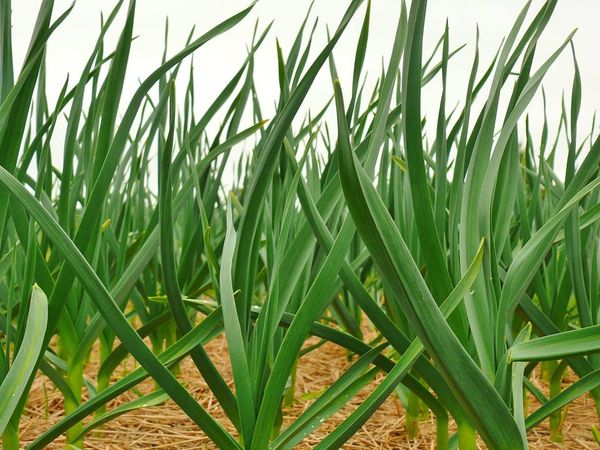
The first thing a farmer needs to pay attention to when growing garlic in their garden is watering. Since the soil isn't always optimally saturated with moisture due to prolonged lack of rainfall, the gardener must be able to replenish the soil's water deficit. Regular watering will not only significantly accelerate the plant's growth but also reduce the risk of pest infestations. While watering is generally discontinued during the ripening period (this ensures that the ripened garlic retains its flavor for a longer period), garlic requires a significant amount of soil moisture in May and June.
Top dressing
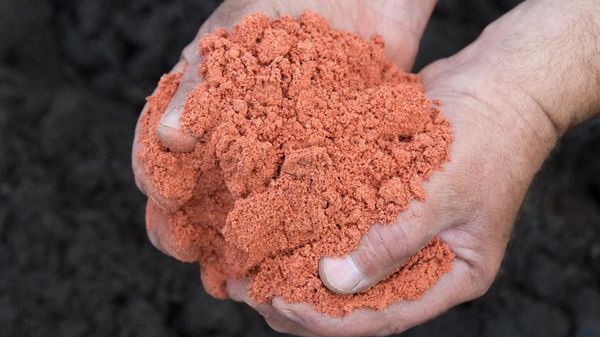
To plant and, importantly, harvest a bountiful harvest of home-grown garlic, it's also necessary to fertilize the soil in a timely manner. Organic mixtures are especially important. Generally, it's recommended to fertilize your hectare of soil approximately 2-3 weeks beforehand. To do this, mix the following ingredients:
- nitrogen;
- phosphorus;
- potash fertilizers.
Some farmers are much more willing to purchase special mixtures from the store to then apply root feeding, but here everything depends on your preferences.
Treatment and protection
No matter how much garlic you plant, if you don't pay close attention to treating the plant for diseases and pests, the results are unlikely to be great. It certainly contains a large number of biologically active substances, which gives every reason to believe this crop is quite resistant to diseases and pests. However, it's impossible to protect this vegetable from all threats.
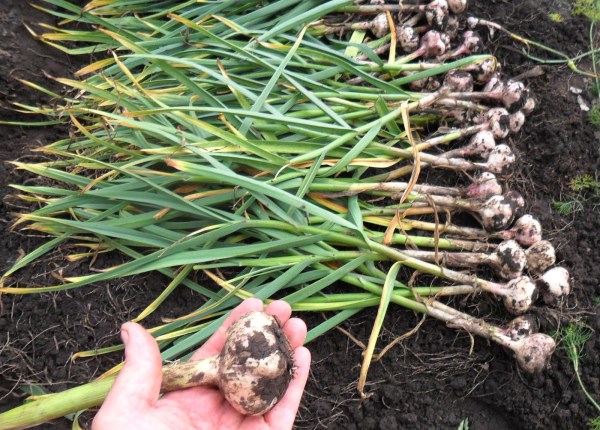
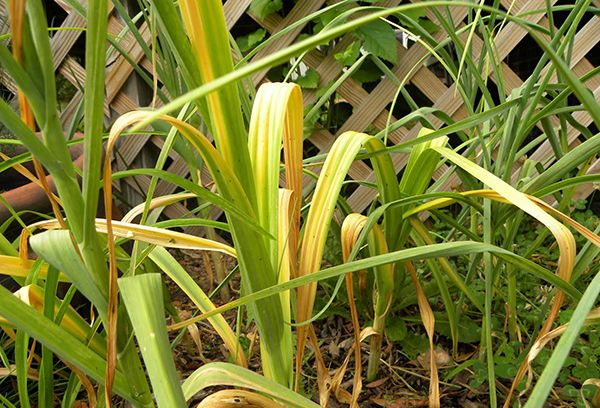
Sometimes plant stems suddenly turn yellow. There's a reason for this. Typically, it's poor soil moisture. Sometimes, this problem is caused by a lack of nutrients in the soil. In this situation, a special nutrient solution can help, using it for foliar feeding. Try to remember this procedure in the future.
Note for the gardener
To better understand the benefits of growing garlic in your garden and to better understand the process, it's worth exploring the following points:
- the area where you plant vegetable seeds should be well lit;
- It is noteworthy that, under favorable conditions, you will harvest up to 150 kg of crops per 1 hectare of land;
- Remember that winter varieties of garlic are considered to be much more productive, but the spring variety of the crop retains both its nutritional and taste qualities longer;
- It is very important to remove flower stalks during the plant's growth process;
- Winter garlic, like spring garlic, is considered resistant to diseases and pests. However, preventative treatments for planting material should not be neglected.
By following basic recommendations for growing garlic in your garden, you'll get a decent harvest from even just one hectare. The key is to nurture the garlic seedlings early in the cultivation process. This way, you can grow garlic in your garden effortlessly.
Video: "Garlic Care Guidelines"
This video will teach you how to properly care for garlic to increase its yield.