
Modern planting patterns for spring garlic
Content
Preparing the garden bed
If you want to approach this process as seriously as possible, be sure to consider edging the area with slate or boards. This way, you'll be able to plan every detail. Ideally, your bed should be no more than 20 cm high: it needs to warm up actively in the spring and will also prevent it from washing away during heavy rains.
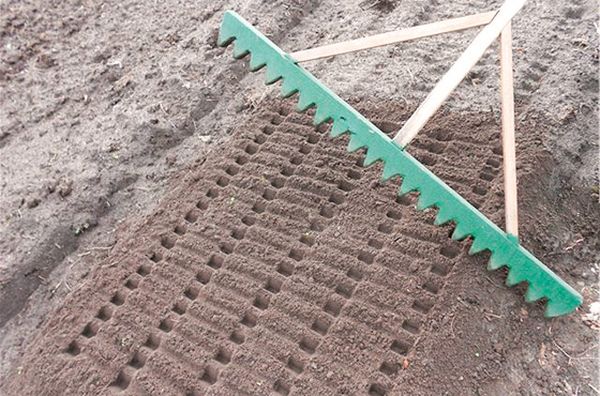
You don't have to stick to specific dimensions when it comes to creating garden beds, but keep one thing in mind: if you know the groundwater level in your area is too close to the soil, be sure to create a raised bed. The root system won't be able to withstand excessive moisture, and the entire plant will die along with it.
When it comes to preparing the soil for planting spring garlic seeds, much will depend on the soil type in your area and your crop rotation. Previous crops planted in the same area last season can also impact the fertility of your garden. For example, if your garden plot has predominantly peaty soils, you'll need to add sand and loamy soil before planting the vegetable.
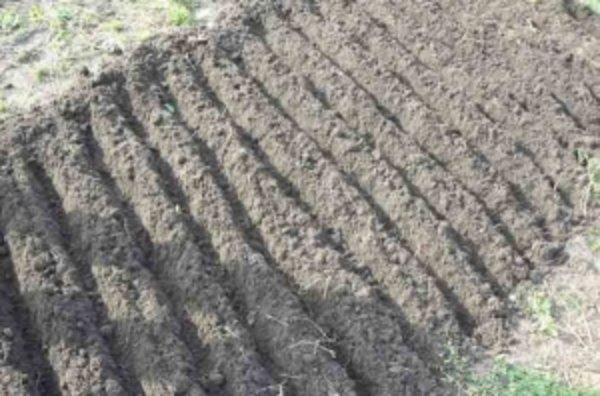
There's also a universal step in preparing the garden for soil cultivation. This involves enriching the soil with compost. This fertilizer must be added to the soil without fail. As for additional nutrient solutions, they can be purchased at the store or mixed at home. For example, potassium sulfate and superphosphate are important components of spring fertilizing. An alternative solution that can have a beneficial effect on the further development of spring garlic is a mixture of dolomite flour and wood ash.
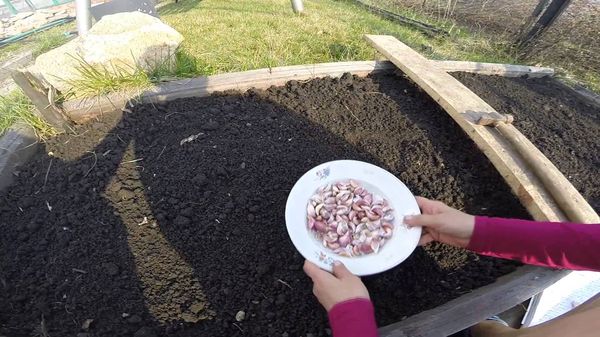
There's a caveat in this case. Remember: adding fresh compost to the soil is prohibited. This fertilizer will simply ruin your garlic. You can use old compost in small quantities; it won't cause any harm.
Why do experts recommend preparing the soil for garlic planting in the fall? It's important to dig up the garden after spreading the fertilizer on the soil surface. However, planting garlic seeds afterward is not recommended: the soil will settle, and the garlic seeds will sink deep into the soil and rot without ever reaching the surface. Therefore, it's best to apply fertilizer in the fall and then plant the seeds in the spring.
Preparation of planting material
Most gardeners can use the following types of planting material for planting in the ground:
- teeth;
- aerial bulblets (bulbs);
- single-toothed cloves.
For planting, select garlic heads with large cloves. Check them for damage or disease. Be sure to sort your garlic harvest: large and medium cloves are for planting, while small ones can be used for preserving or simply added to dishes.
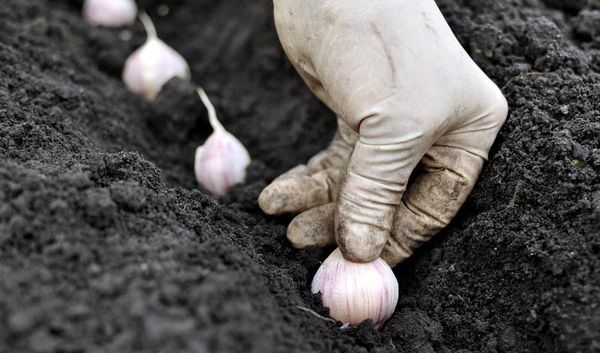
Once the seed has been prepared, it should be thoroughly treated with a copper sulfate solution. This is an effective way to disinfect the seeds and protect them from various diseases. If you haven't done this treatment, it's worth finding an alternative, such as soaking the seeds for 24 hours in a weak solution of potassium permanganate. This will result in strong, disease-resistant seedlings that can be safely planted outdoors.
Planting rate and pattern
If you want your planted seeds to eventually yield a full harvest, even if the area allocated for spring garlic is small, you need to strictly follow at least the basic recommendations for planting garlic. The rules are simple, but they shouldn't be neglected.
Spring garlic is first planted at a distance of 20-30 cm between rows. The distance between cloves should also be maintained at a specific plant size—approximately 6-8 cm. However, these figures are approximate, as everything depends on the cloves themselves: if they are large, it is advisable to increase the distance between seeds, and if they are small, the opposite is true.
When it comes to spring garlic planting patterns, there's a fair amount of variety. While traditional methods were once the only option, you can now try alternatives. What does the well-known classic pattern look like? It primarily involves rows and spacing.
What's so special about this new garlic planting method? It's a two-tiered system that will double your harvest. More specifically, it involves planting garlic seeds in a staggered pattern. The depth at which the seeds are planted will also vary.
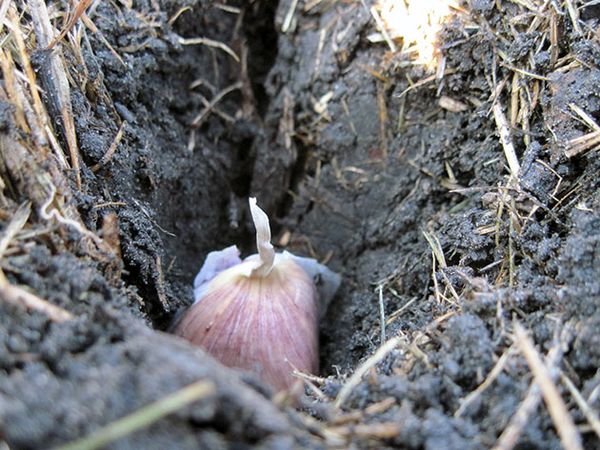
What's the benefit of this method? Using this method will allow you to use your garden space more efficiently, and your vegetable yield will be significantly higher. After planting the seeds, carefully cover them with soil, which will then need to be leveled. This method doesn't require much investment. Anyone can master this seed planting technique. Why not give it a try if you can reap a bountiful harvest?
Caring for crops
The first thing every gardener should pay attention to when growing spring garlic is monitoring soil moisture levels. This plant isn't a moisture-loving crop, although seedlings need to be watered during prolonged periods of dry weather. There are two periods when increased irrigation volumes are needed:
- in the first 10-15 days after planting the plant in a permanent location;
- during the active development of the vegetative system.
However, if water stagnates in the soil, the root system can quickly rot. The same thing happens if groundwater flows too close to the topsoil. Therefore, experts recommend creating raised beds in the garden for spring garlic. This will ensure the most productive planting.
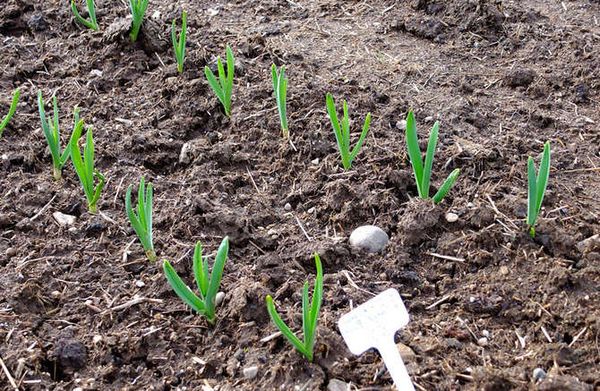
Soil care is no less important for the development of home-grown garlic. First, the soil needs to be loosened. This will allow air to circulate rapidly through the soil and nourish the plants. Second, weeding is essential. This will remove weeds that simply clog the garlic's root system.
Don't forget about foliar feeding if you notice the stems of your homegrown garlic turning yellow. Another important aspect of growing spring garlic is protecting the plant from diseases and pests. Keep all these requirements in mind, and you'll get good results.
Video: "Ways to Plant Garlic in Winter"
This video will show you two ways to plant garlic in the winter.