
Growing a giant garlic called Rocambole
Content
Characteristics of the Rocambole variety
Although growing Rocambole garlic in Russia is not yet as popular as regular garlic, records of its cultivation in our country date back as far as 1877. The plant is considered native to Asia, where it grows wild. It is widely used in Mediterranean cuisine. Today, breeders have succeeded in developing many varieties of elephant garlic, including the Janichar variety.
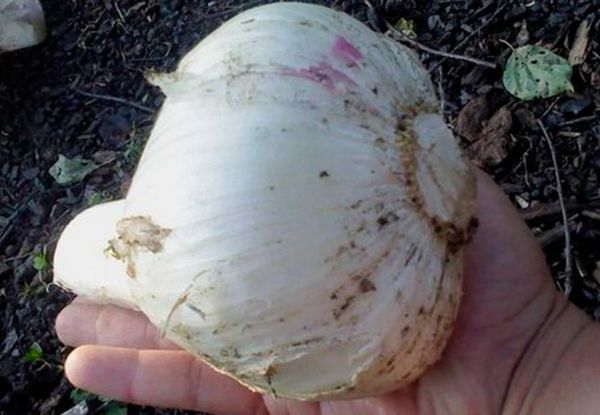
The plant shares characteristics with both garlic and onions, leading it to be confused with a hybrid rather than considered a distinct species. This Spanish garlic typically produces stalks with purple "caps" of inflorescences. These are composed of clusters of small, seedless flowers. It is recommended to remove them or gather them into a knot. Otherwise, the inflorescences will rob the bulbs of their beneficial juices.
The plant has a thin stem, which typically reaches a height of approximately 80 cm. It also has large leaves, with a maximum width of 1 cm. The bulb is quite large, reaching at least 10 cm in diameter. The bulb contains between 4 and 8 cloves. The larger the bulb, the fewer cloves it has.
Each clove can weigh approximately 80 grams. A head of garlic weighs approximately 450 grams when weighed. The buds are brown in color and form under the integumentary scales, starting from the root. A typical bud production is 10-15 buds, each weighing 2-4 grams. This variety's yield is 5-6 times higher than that of regular garlic, yielding up to 4 kg per square meter. Both the cloves and the tops are eaten. The flavor is somewhat reminiscent of onion, but juicier and with a characteristic bitterness.
Preparing for landing
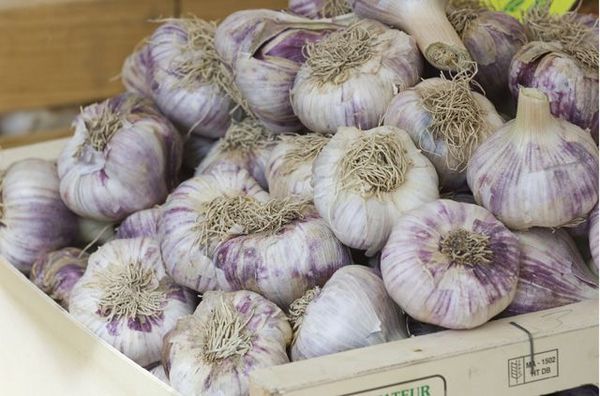
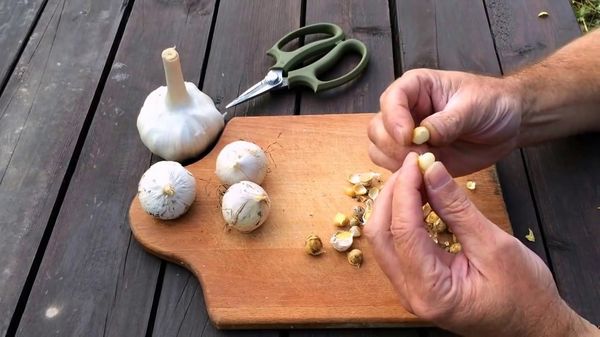
Rocambole garlic is unable to produce seeds while flowering. The planting material consists of cloves or offspring found at the bottom of the main bulb. There are usually up to 15 of these.
To plant this variety, choose a sunny, well-drained area. For full development, garlic requires ample amounts of compost or organic matter. In practice, 1-2 handfuls of bone meal per square meter is often added. The soil should be loose and nutritious.
It requires loosening to a depth of no more than 8 cm. In dense soil, loosening to a depth of up to 25 cm is required. Soil preparation should begin immediately after harvesting the previous crop. Spring tillage involves harrowing, which is deeper than in the fall. Organic fertilizers should also be applied using a cultivator, followed by repeated harrowing.
This garlic variety can be planted in spring or fall. Spring planting is especially effective in southern regions. Soil preparation begins in the fall. It's recommended to orient the beds from south to north. After selecting bulbs of a reasonable size, loosen the soil with a spade blade, or up to 25 cm. Next, add 5 liters of humus or well-rotted compost and no more than 3 cups of wood ash. The bed should be leveled.
The planting material is placed in a refrigerator for 30 days and then disinfected. When planting, maintain a distance of up to 20 cm between cloves and up to 35 cm between rows. The planting depth is approximately 10 cm. Mulch the bed with straw, compost, peat, or wood shavings. The layer typically reaches no more than 3 cm in height.
Winter garlic is usually planted three weeks before the first frost, which typically occurs in early October.
Preliminary preparation involves soaking the cloves in a potassium permanganate solution for 24 hours. Alternatively, use 1 cup of wood ash per 1 liter of boiling water. Boil this mixture for no longer than 10 minutes. After it cools, place the planting material in it.
When planting in the fall, leave a distance of up to 20 cm between the cloves. The ideal depth is up to 10 cm. Don't forget to mulch the beds. The soil between the rows must be loosened after the first shoots appear.
Good predecessors for this crop include cabbage, zucchini, legumes, cucumbers, rapeseed, lupine, alfalfa, rye, and oilseed radish. Garlic should not be planted in soil previously occupied by onions, garlic, or potatoes.
Growing rules
It's important to understand certain growing nuances to ensure a good garlic harvest. If the plant's growing season is short and this heat-loving crop receives little heat, large bulbs weighing up to 300 grams should not be expected until the third or fourth year after planting. The plant usually blooms in July. It bears lilac-hued flowers that vaguely resemble bells. They contain no seeds or aerial bulbs.
Flower stalks should be carefully removed to prevent the plant from wasting nutrients and energy on developing the flower stalk. Sometimes flower stalks and small, open balls are left to decorate the flowerbed. Different Rocambole varieties tolerate different climates differently. Some can freeze even with proper care.
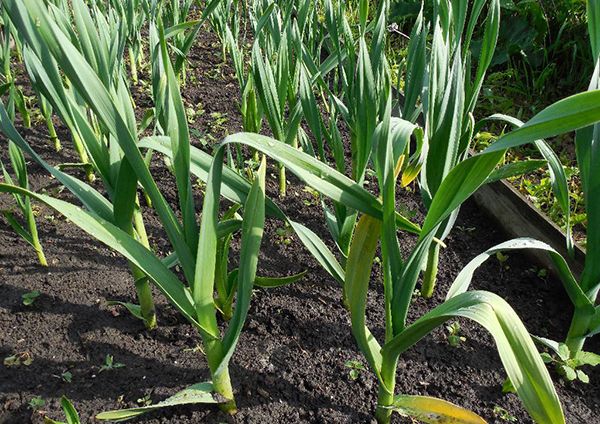
In the south, large bulbs can be harvested in as little as a year. In regions with cooler climates, this period ranges from 2 to 4 years. Although the plant is drought-resistant, it should be grown in as dry a location as possible. Frequent soil loosening should be avoided, as this can damage the soil structure, lead to excessive dryness, and lead to rapid mineralization of the humus.
It's best not to loosen the soil during periods of excessive dryness or wetness. This can result in clods forming, making it difficult to care for the crop. Garlic's flavor depends on the summer weather. The hotter the days, the more pungent the flavor. Harvest success depends largely on weed control.
Caring for plantings
Weeding should be a must-have for care. It's best to do this after the fragile seedlings emerge. The soil should be loosened carefully to avoid damaging the roots. Young plants require adequate watering. When the soil dries out after watering or natural rainfall, loosening can begin.
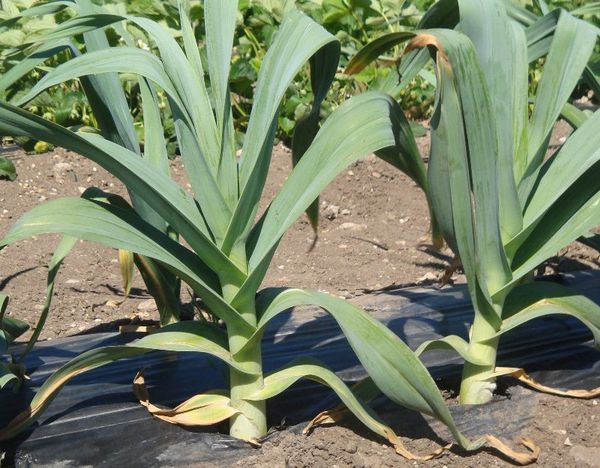
Proper watering will help the plant develop a large bulb. The plants respond well to fertilizer. Once seedlings emerge, nitrogen fertilizer is commonly applied. Ammonium nitrate has proven effective. Apply 10-20 grams per square meter. Fertilize again when the plant develops four full leaves. To do this, dilute 1 cup of bird droppings and 1 tablespoon of urea in a container that holds 10 liters of water. The recommended rate for this fertilizer is 3 liters per square meter of usable space.
At the end of June, when the fruit usually starts to set, it is necessary to feed the garlic with phosphorus-potassium fertilizers. A solution made from 1 cup of wood ash dissolved in 10 liters of water works well. No more than 5 liters of this solution will be needed for each square meter of the area.
Thus, proper care for the crop is based on three components: regular and adequate watering, appropriate fertilizing at the appropriate time, and alkalizing the soil.
Beneficial properties
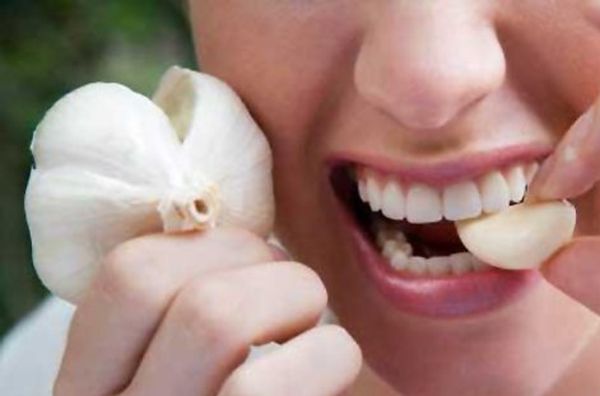
This vegetable contains not only vitamins but also ascorbic acid, beneficial essential oils, numerous microelements, proteins, carbohydrates, and carotene. This exotic guest has a beneficial effect on the immune system, strengthening it, and is also effective in treating gastrointestinal problems. It has the ability to dilate blood vessels and thin excessively thick blood, making it an excellent remedy for preventing thrombosis.
Young leaves have the greatest nutritional value, as they become coarser, tougher, and more fibrous as they mature. People with gallbladder, pancreatic, or liver conditions should be cautious when including this garlic in their diet, as it can exacerbate existing chronic conditions. It's best to avoid this product for children under 3 years of age and pregnant women.
Video: "Characteristics of the Rocambole garlic variety"
This video will teach you about harvesting and growing the Rocambole garlic variety.