
After which crop should garlic be planted?
Content
Crops after which garlic is planted
Knowing and following the basic rules of crop rotation can significantly increase the yield of many crops, including garlic. While some vegetable species tend to draw large amounts of nutrients from the soil for their own growth and development, other crops can compensate for these deficiencies.
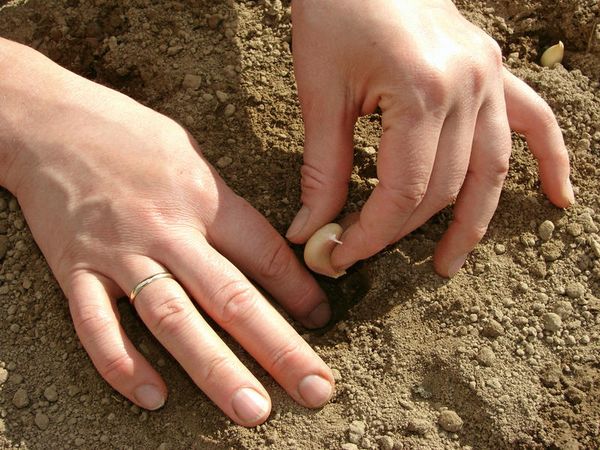
Many experienced gardeners know that garlic has a shallow root system. This explains why it can obtain nutrients from the top layer of soil. For normal growth and development, it requires fertile, rich soil. It's best to plant garlic in the fall after other crops with deep root systems have been growing in the garden.
Experts advise choosing a location where any grain crops, with the exception of oats and barley, were grown.
Excellent predecessors include clover and alfalfa, squash, and zucchini. Garlic can also be planted after berry bushes. Less desirable, but possible predecessors include tomatoes, cabbage, cucumbers, peppers, and pumpkin.
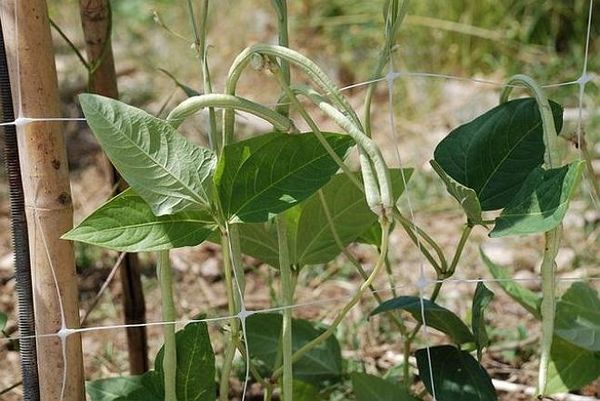
If we're talking about a specific list of crops that are good predecessors for garlic, it should definitely include green manure grains (except barley and oats), forage grasses (alfalfa, clover, and others), legumes (beans and peas), pumpkins, squash, pattypan squash, cucumbers, early cabbage and cauliflower, and berries. Garlic can also be planted after eggplants, peppers, tomatoes, and cabbage varieties with mid- to late-ripening seasons. These aren't perfect, but they are perfectly acceptable predecessors for garlic in your garden.
After which it is not recommended to plant
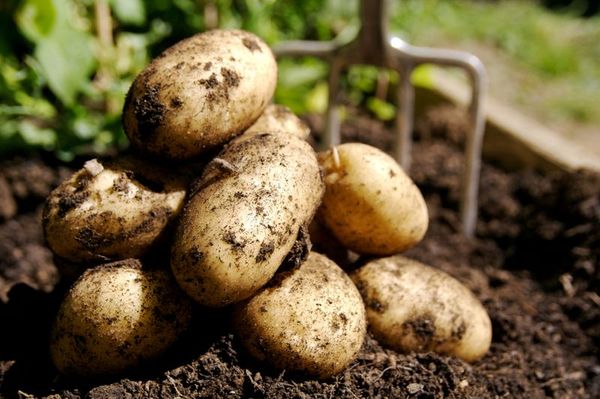
Beginning gardeners are wondering which crops should they avoid planting garlic after? It's best not to plant this crop after vegetables, as they can absorb many nutrients from the soil during their growth and development. Vegetable crops such as cabbage, potatoes, carrots, beets, tomatoes, radishes, and horseradish are considered poor predecessors. For example, carrots tend to significantly deplete the soil, using up the nutrients they absorb for their own development.
If you plant garlic after potatoes and beets, there's a high risk of the crop contracting fusarium wilt. Onions are also at risk. They cause calcium deficiency in the soil because they consume significant amounts of it themselves. After onions, other plants are also at risk of being attacked by pests remaining in the soil. Therefore, green onions, fragrant onions, bulb onions, shallots, and Welsh onions are not recommended as predecessors. A strict three to four year interval between garlic plantings is required. Otherwise, the harvest will not only be meager but also diseased.
Nuances you need to know when planting garlic
In addition to good and bad predecessors of garlic, other conventions that must be observed when cultivating it in a plot are also important.
One of these is choosing a planting site. Since the crop thrives on full sun, it's important to choose a suitable spot in the garden. This will ensure large, tasty cloves. When this isn't possible, it's best to plant more widely in a shaded area.
Don't add manure to the soil, as some inexperienced gardeners do. Otherwise, you'll end up with loose bulbs and too many leaves. The plant responds gratefully to high-quality humus, as garlic does require fairly fertile soil.
Pay close attention when selecting planting material. Avoid planting bulbs taken from pest-infested beds. Choose large, viable bulbs.
The teeth should be free of dark spots or any damaged areas. Disinfection is also required. It is recommended to use a copper sulfate solution, soaking the teeth in it for no more than half an hour.
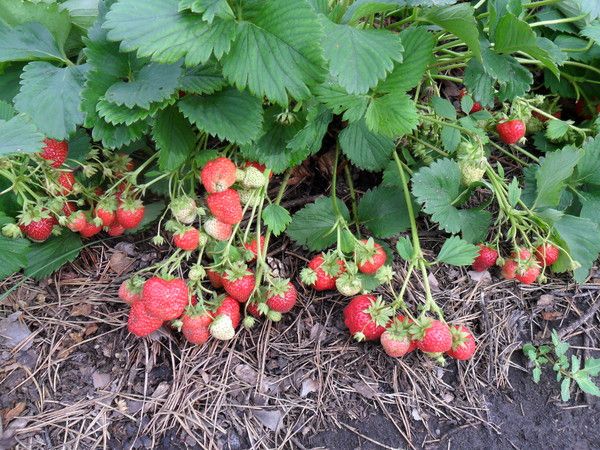
Strawberries and wild strawberries thrive next to garlic. It provides them with a reliable defense against potential pest attacks. They can also grow alongside tomatoes, but be sure to leave at least 65 cm between them. This is a mutually beneficial relationship. Garlic will protect tomatoes from diseases such as rust, and tomatoes, in turn, will protect them from potential scab. If garlic is grown near potato plantings, it will repel Colorado potato beetles.
Adequate watering is essential. Dry soil can result in a smaller harvest. It's recommended to use only settled, warm water. Don't forget to weed and loosen the soil. This should be done carefully, as there's a high risk of damaging the roots.
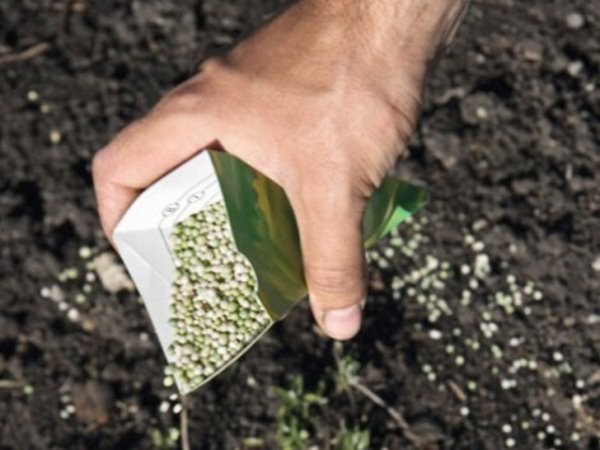
Mineral and organic fertilizers should be applied. To prevent nitrogen deficiency, you can prepare a urea solution. To do this, dilute 1 tablespoon of the solution in 10 liters of water. Apply no more than 5 liters per square meter of usable area. To prevent the bulbs from rotting, stop applying fertilizer once the foliage stops growing.
If your goal is not to obtain seeds, you need to remove garlic shoots in a timely manner. It's best to pinch them about 7 cm from the inflorescences. Do not pull the stems out by hand to avoid damaging the bulbs. Use special pruning shears or garden shears. If pruning is done early in the development of the bulbs, a regular kitchen knife can be used. This increases the yield by 20% or more.
Video: "Secrets of Growing Garlic"
In this video, a specialist will share interesting and useful secrets for growing garlic.