
Planting and growing garlic in the winter in the Moscow region
Content
Advantages of winter planting
Garlic is prized by Russian gardeners for its many advantages. For example, you won't have to spend a lot of money on planting it. That's because you can prepare the seeds yourself by selecting suitable cloves from the harvest. The actual process of planting the cloves in the soil requires only a few basic requirements. First, select a suitable container, ensure the quality of the substrate, then select the seeds and plant the cloves according to basic guidelines. The most important thing is to loosen the soil.
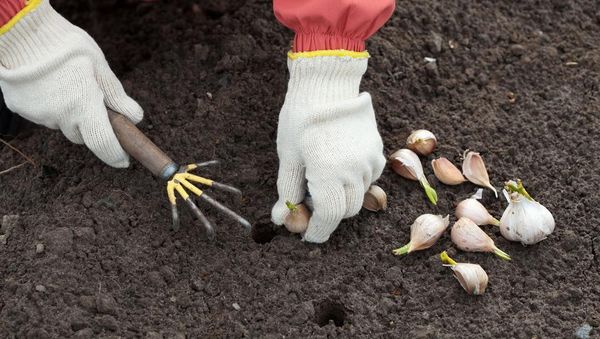
There are two varieties of garlic: spring and winter. Generally, it's recommended to plant only the winter variety for winter. Among the key advantages of this variety is its ability to thrive in any conditions: it can withstand temperatures as low as -25 degrees Celsius. Moreover, the head of garlic and the cloves themselves are larger than those of the spring variety. Planting this vegetable for winter is essential if you want to not only add variety to your dishes but also provide your body with essential vitamins and nutrients.
Autumn planting dates
Planting indoor garlic for the winter in the Moscow region involves a number of essential recommendations. If you want to achieve excellent results, be sure to study the process in theory so you can develop a detailed plan for your own future steps. First, you need to determine the best time to plant. Much depends on your region. Russia has several climates, so it's important to clearly understand the best time to plant garlic cloves in your area.
Previously, the optimal period for planting seeds in the ground was considered roughly the same in different climate zones: late September to early October. However, time passes, and the climate changes. These old trends are gradually disappearing, as warm weather generally lasts much longer in autumn, and winter arrives later.
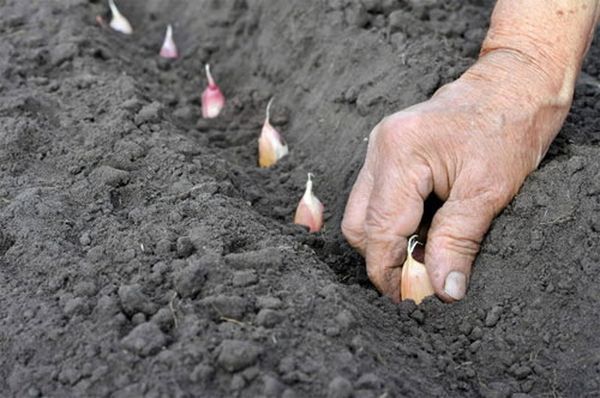
In general, the garlic planting period remains the same for temperate climates. The key is that if you plant the seeds in early September, the seedlings will have already sprouted well before the first serious frost. This means they can literally freeze due to the drop in temperature. In the Moscow region, temperatures in this area can drop to 10 degrees Celsius or even lower in the fall. In this case, the garlic will be able to root well in the fall, but will not sprout until winter.
Should I cover the seedlings with plastic? Not necessarily. If you're lucky enough to see snow during the first few weeks of winter, this covering will be sufficient to keep the seedlings intact. However, if winter has already arrived and there's no sign of snow, consider using plastic that will retain heat well. Typically, farmers prefer to use special plastic when temperatures drop significantly; otherwise, your garlic may not make it to spring.
There are also long-standing beliefs that Russian farmers use to determine whether it's time to plant garlic for the winter. The most common time to consider this is the well-known holiday of the Intercession of the Virgin Mary, celebrated on October 14th. It's believed that garlic planted during this period will root well and survive the cold weather without any problems.
Some gardeners consult the lunar calendar. In this case, it is recommended to plant garlic during the waning moon, which is considered the most favorable time for gardening.
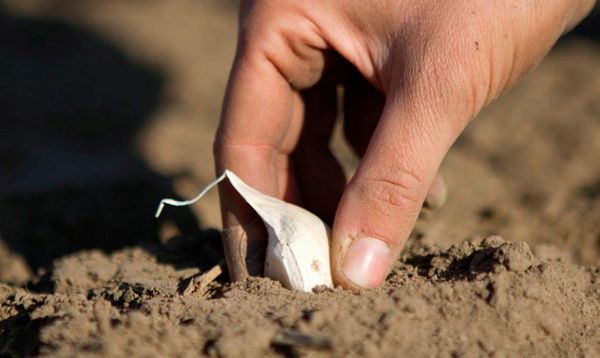
Choosing a location
Knowing when to plant winter garlic in the Moscow region isn't enough. It's also important to carefully consider the optimal site for planting this crop. In the Moscow region, every gardener should consider the following:
- sandy loam or light loamy soil is the best solution for any variety of garlic;
- Be sure to make sure that the area you have chosen for growing garlic will not be damaged by excess moisture in the spring;
- Sometimes gardeners prefer to add fertilizer to the substrate during the winter, such as compost. In fact, planting garlic in soil rich in compost is not at all advisable. This can expose the plants to fungal diseases later on. This isn't to say that the garlic seedlings won't survive, but you won't achieve a particularly high yield from such plantings.
- It is also necessary to maintain a certain width of the bed - no less than 1 m.
Determine a suitable area on the site for planting garlic and only then begin work.
Soil preparation
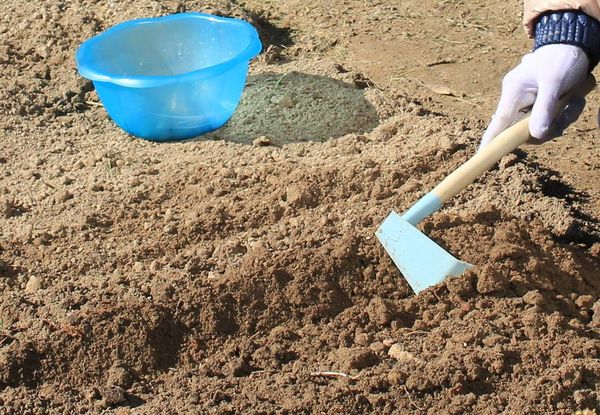
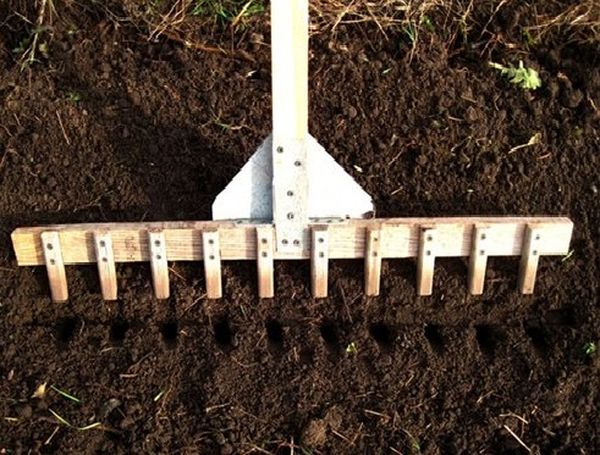
Just before planting the plants in their permanent location, dig up the soil. Garlic will root much faster in loosened soil. Weeds should also be removed, as they will not only hinder the development of the garlic seedlings but also encourage pests to invade your garden. It's also a good idea to fertilize the soil. Chemical fertilizers, compost, or peat moss are all suitable for this purpose.
Some farmers prefer to sprinkle ash on the soil. The key is to loosen the soil and level it thoroughly after all the preparatory work is complete. The soil will compact and settle for a while, after which you can begin planting garlic.
Preparation of planting material
What kind of garlic cloves are suitable for planting? They should be firm and free of any cracks or dents. It's also a good idea to check the seeds for fungal growths. Avoid selecting small cloves for planting. A rule of thumb applies: if the garlic cloves are large, so will the head. The quality of the seed determines the outcome, so it's important to approach its preparation with the utmost care.
Further care
First, ensure proper soil fertilization. Urea, bird droppings, or cow manure can be used. Watering is also essential for the plant's full development. During active seedling growth, watering should be intense, but as the garlic matures, you can reduce the amount of water.
Don't forget to remove weeds from the soil promptly and loosen the soil regularly. Put in the necessary effort, and you'll reap wonderful results, and your winter or spring garlic will become an essential ingredient in dishes all year round.
Video: "Tricks for Planting Garlic in Winter"
This video will teach you how to plant garlic in winter and the timing of planting winter garlic.