
Why might garlic turn yellow in the garden?
Content
Possible causes of yellowing
Many beginning farmers may wonder why garlic turns yellow in their garden. This situation is not uncommon these days, so it's important to know how to fix it and what steps to take to prevent a similar problem in the future. At first glance, yellow garlic stems seem harmless. However, if you leave them unattended for too long, the garlic cloves will begin to actively rot. Why does homegrown garlic turn yellow?
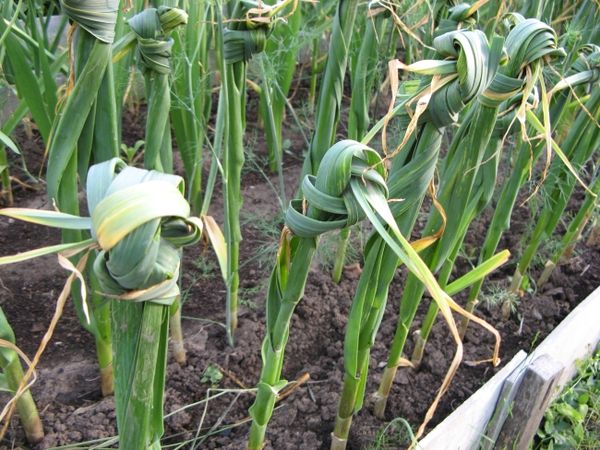
There may be several reasons. Among the most likely are:
- Over-dried soil or, conversely, overly moist soil. Gardeners sometimes overlook this issue, but controlling moisture levels in open ground is crucial for garlic growth and development. If the seedlings of this plant are not watered at all, or if they are watered too frequently and in large quantities, the stems may turn yellow;
- Low levels of nutrients. Farmers don't always apply fertilizer to the soil in a timely and sufficient amount. If this factor is neglected, the plant will develop poorly, and yellowing is no exception.
- Incorrectly selected soil type. Sometimes gardeners don't even think about the soil type they need to plant their garlic in. Yet, this is quite important. Experts recommend purchasing varieties that will root and thrive in the soil in your area.
- If you have winter garlic growing in your garden and it's left uncovered for the winter (snow didn't cover the sprouts, and you didn't provide any plastic sheeting), low winter temperatures won't be very beneficial for the integrity of the crop. This is the reason for the yellowing of the stems.
- Diseases or pest infestations can occur. No one is immune to this, but regular inspection of garlic seedlings can help prevent this problem early.
What should you do if your garlic is turning yellow in your garden? It's important to follow a few key rules. For example, try to add nitrogen fertilizer to the soil. A deficiency can cause the soil to become acidic, which can be quite harmful to your garlic. How else can you reduce acidity? The best option is to add limestone or ash to the soil.
Sometimes the reason for yellowing garlic is quite trivial: a hard top layer of soil. The problem is that if you don't loosen the soil occasionally, it won't have enough air and gas exchange. Ultimately, the plants simply stop breathing, the substrate becomes clogged, and the stems of the crop turn yellow. Another important step to prevent garlic from turning yellow is to ensure consistent watering of the plants starting in June. If the soil dries out too much, this can have serious consequences.
To prevent your home-grown garlic from turning yellow, be sure to exclude fresh manure from your fertilizer program. Its presence in the soil increases the risk of disease and pest infestations. By following these simple rules, you'll permanently eliminate yellowing from your garlic.
Folk methods for dealing with yellow leaves
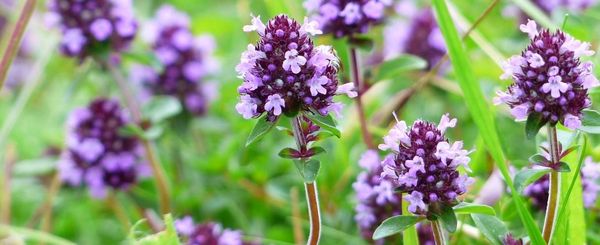
It's easy to understand why garlic turns yellow in the spring by analyzing your mistakes in basic gardening practices. If garlic seedlings are damaged by pests or diseases, most farmers prefer to use traditional, tried-and-true methods. First and foremost, it's advisable to plant plants with a distinctive, spicy aroma near garlic. These include thyme or coriander. If you're wondering which vegetables can be planted near garlic, the answer is clear: carrots. These plants thrive well together and will resist any diseases in the spring.
Getting rid of insects is generally easy. Experts recommend adding a urea or saltpeter solution to the soil in the spring. These nutrient mixtures will prevent infestations of various pests. For maximum effectiveness, after distributing the fertilizer over the garlic growing area, it's advisable to water the sprouting plants. Overall, it's best to take the necessary measures to avoid having to deal with yellowing garlic stems in the future.
How to feed the crop
If your garlic is turning yellow, it's quite possible that a nutrient deficiency in your garden is the cause. In most cases, yellowing indicates a deficiency of potassium and nitrogen. Another nutrient often present in soil in small amounts is magnesium. Therefore, every farmer needs to know how to replenish this deficiency. It's important to schedule fertilizing sessions so that mineral and organic fertilizers alternate. There are several methods for fertilizing the soil in which spring or winter garlic is grown:
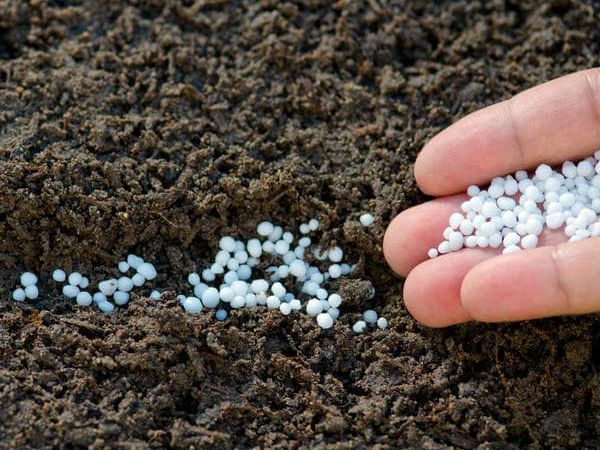
- Granular nutrient mixtures are scattered into special holes created between rows. Use urea or a complex solution. After applying the fertilizer, the holes are filled with soil and then watered. This will ensure the fertilizer dissolves quickly. After this process, you can also mulch the soil. Filling the holes with compost will help retain moisture longer.
- Foliar feeding is another common method. Potassium sulfate or mineral components are typically used for this purpose. The nutrient mixture should be poured into a spray bottle, and then the young shoots can be sprayed. Try to follow another key recommendation: spray the fertilizer solution onto the leaves only in dry, windless weather. Only then will most of the mixture reach the plants, allowing them to more effectively absorb the nutrients.
Farmers sometimes prefer organic mixtures. A popular one is an infusion of mown grass with wood ash added. Provide regular fertilization to your garlic seedlings, and the results will exceed your expectations.
Proper care
My garlic has started turning yellow. What should I do? Many novice gardeners struggle with this. However, if you follow the basic care guidelines for winter or spring garlic, yellowing stems shouldn't be a problem. If you want your homegrown vegetable to become an integral part of any gourmet dish, you'll need to do a little work on your garlic sprouts.
Timely soil fertilization and watering are not the only important factors here. Providing adequate light for the emerging garlic seedlings is also crucial. This aspect should be addressed even during the garlic planting process. While the plants can survive without regular watering, there should be ample natural light.
Another important aspect to consider when growing winter or spring garlic in your garden is pest control. If no action is taken promptly, pest infestations will increase significantly, and the consequences for your home garlic plantations could be dire.
How can you eradicate this problem at an early stage of infestation? Frequent inspection of garlic seedlings is recommended. If you notice a small number of insects near the plants, act immediately. Make every effort to provide adequate care for your homegrown garlic seedlings – and you'll provide yourself and your family with vitamins and versatile spices for the entire year.
Video: "What to do if garlic turns yellow?"
This video will tell you why garlic turns yellow in the garden and how to deal with it.