
Secrets of agricultural technology for winter garlic varieties
Content
Planting garlic
What's the first challenge in growing winter garlic in a garden or vegetable patch? The hardest part is determining the optimal time to plant the cloves. Winter garlic is planted exclusively in the fall. But predicting how successful this process will be and when planting will yield the best results is a challenge, even for an experienced gardener.
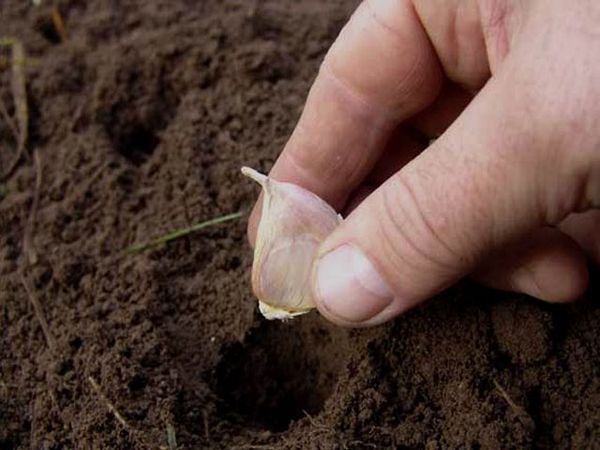
Some prefer to plant vegetables in September, while the weather is still warm. However, in this case, the crop may have sprouted significantly by the time winter arrives, meaning it could freeze in the cold. Therefore, it's best to plant this crop around mid- to late October.
Select your planting material: the cloves should be large and free of any visible damage or blemishes. Immediately before planting, soak them in a potassium permanganate solution. What does this do? It protects the seeds from fungal and other diseases. You don't need to soak them in this solution for long. After soaking, plant the cloves in the soil without letting them dry.
When planting seeds, be sure to press them into the soil. The planting depth should be at least 5 cm. A hand planter can help with this: it's used to press the cloves into the soil, and not just for garlic. A similar tool will also be useful when planting tulips or gladioli.
Particular attention should be paid to the selection of planting material. Some prefer to buy cloves for planting. However, this can lead to miscalculation if the properties of the variety you choose are not suitable for growing in your specific area.
For planting, prepare seeds from your own harvest or from those of your friends. Only then can you be 100% sure that the crop will adapt well to the specific climate conditions.
Growing
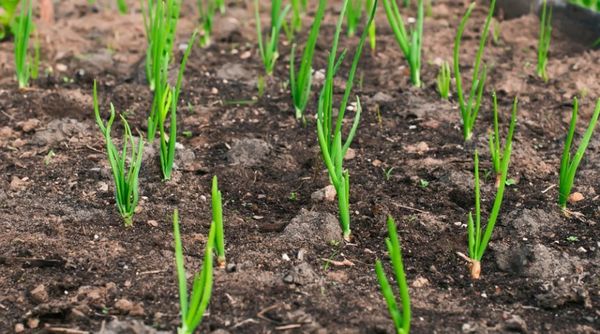
How should winter garlic be cared for? The process isn't really that labor-intensive. Water the garlic seedlings occasionally, especially if there's no rainfall expected. Be sure to remove weeds, which are a common problem when growing winter garlic. After the snow melts, it's essential to loosen the soil, as it has hardened over the winter, preventing air from passing through.
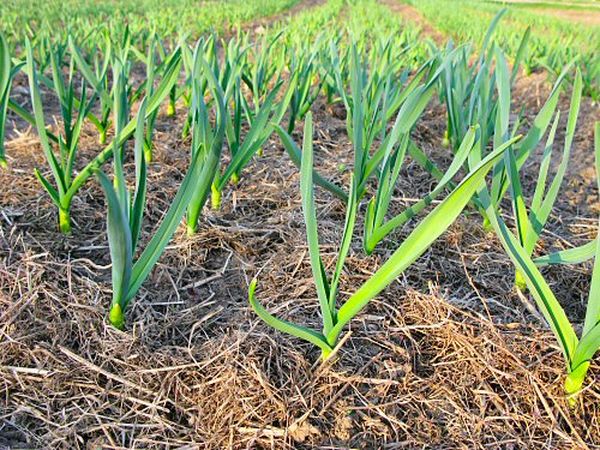
In early spring, after wintering outdoors, it's worth fertilizing the soil. Use a solution of mullein or chicken manure, and add superphosphate and potassium salt if desired. Another crucial point in caring for agricultural crops: approximately three weeks before harvest, watering should be stopped completely. Only then will you be able to store the harvest without any problems for a sufficiently long time.
Health improvement
Growing winter garlic is a task even a novice gardener can handle. However, no matter how productive, early-ripening, and frost-resistant your variety is, after a while, it will begin to deteriorate. This is a typical agricultural trait, similar to that of potatoes, for example. Over time, your vegetable will become susceptible to disease, and your harvest will become increasingly meager each year.
How can this process be prevented? You need to grow new bulbs from the small bulblets. During the first season, you'll get single cloves, but after a year, you'll reap a full harvest. This will save you a significant amount of money, as purchasing new planting material is currently quite expensive. On the other hand, you'll renew your winter garlic, and your yield will return to normal.
The best productive varieties
Growing garlic isn't the only thing you need to know. Equally important is selecting the most resilient and productive varieties of the vegetable, as this largely determines the success of its cultivation. If you live in an area with harsh winters and generally low temperatures in the fall and spring, frost resistance is the most important characteristic of garlic for you. But you want your garlic not only to take root but also to reward you with a bountiful harvest. Which varieties will meet your expectations?
Alcor
This type of vegetable produces a stalk and produces mid-season fruit. It is generally recommended for planting outdoors. Garlic has a rather pungent flavor, making it a popular choice among domestic gardeners. And not only for its taste. This variety is also prized for its high yields.
Belorussian
This variety is considered a medium-yielding variety. The plant can produce stems. Among the main advantages of this winter garlic variety is its frost resistance. This vegetable can be safely planted even in areas with fairly harsh winters. The flavor of ripe garlic is very pungent. As for susceptibility to diseases, Belarusian garlic can suffer slightly from bacterial rot, but it has no significant problems with infections or parasites.
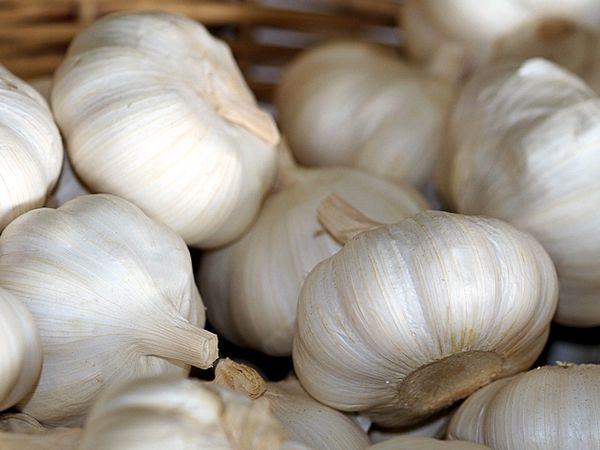
Lyubasha
Growing this winter garlic variety isn't particularly difficult. Interestingly, this vegetable is resistant not only to low temperatures but also to drought. This variety is considered a versatile crop. If you want to reap a bountiful harvest, treat the cloves with a special solution immediately before planting to protect them from infection.
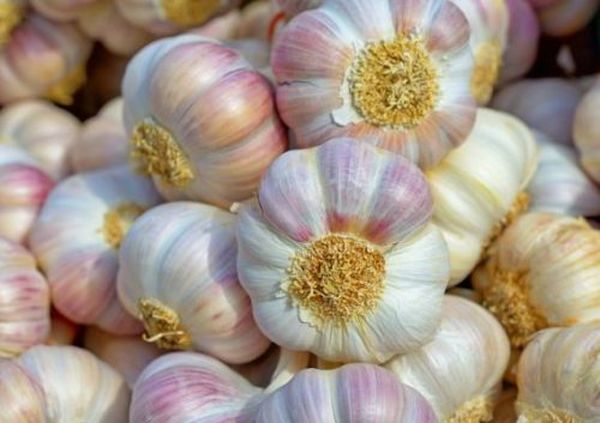
Sail
Among the winter garlic varieties grown in Russia, the Parus variety stands out. The first thing to note is its frost resistance. Furthermore, the harvest can be stored for quite a long time. The fruits have a rather pungent flavor. Furthermore, you can reap a good harvest if you follow basic care recommendations.
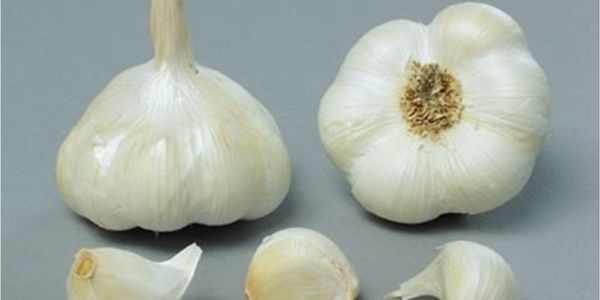
Sofievsky
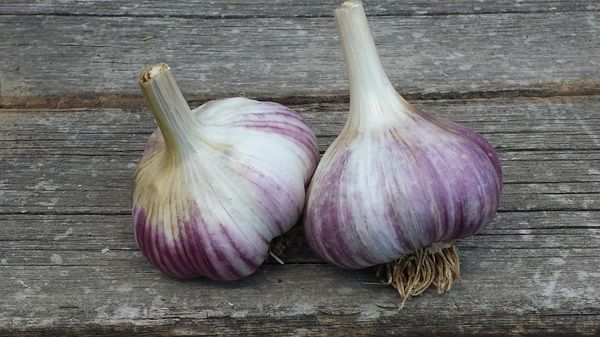
Drought and low temperatures in winter are not a problem for winter garlic seedlings. The harvest can be safely stored for up to 10-11 months without losing its sharp flavor or other characteristics. The fruits are moderately spicy. The head is white, but lilac veins are visible.
This variety is easily used not only for cooking but also for canning. It's easy to care for, and the Sofiyivska variety of winter garlic produces good yields. Overall, growing winter garlic outdoors is not difficult if you understand the basic farming techniques valued by experienced gardeners and select the optimal varieties.
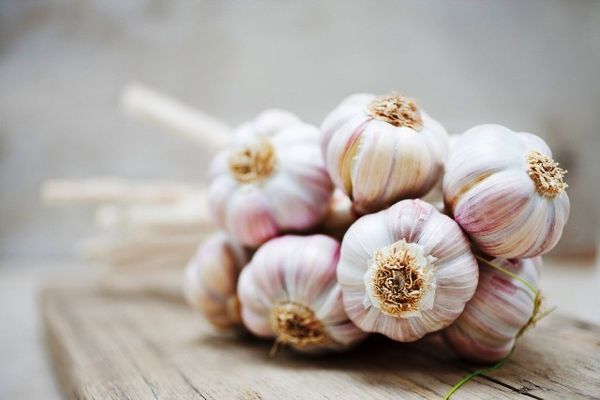
Video: "Secrets of a Great Garlic Harvest"
This video will teach you how to grow garlic properly and achieve a good harvest.