
Why and how to remove garlic shoots
Content
Why is this necessary?
Many garlic varieties traditionally form scapes. This is the name given to the green shoots that have inflorescences at the top. These scapes later develop into seed bulbs, which are typically used for planting. The scapes should be removed if seed production is not the goal of growing this crop.
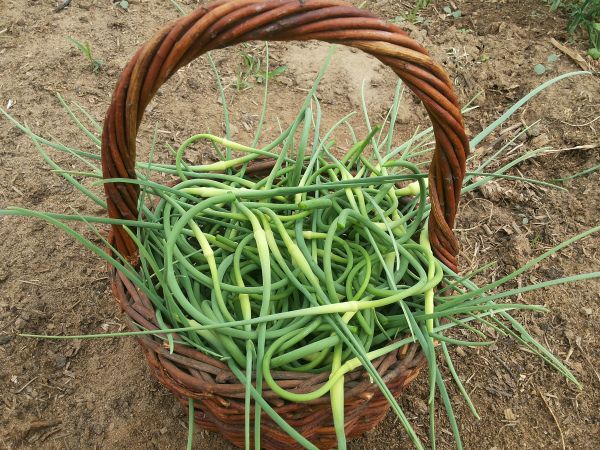
Since winter garlic ripens in mid-summer, by early June the plants are quite mature and forming crowns. By this time, bolting varieties will begin to display scapes with flower stalks located at the top. The scapes typically appear in the center of the bulb neck. This allows biologically active compounds to migrate from the bulb to the scape. It's important to remove the scapes before flowering begins. Once they form, the plant will devote its energy to seed maturation.
If we don't remove garlic stalks in a timely manner, we may experience delayed bulb development. The bulbs will grow small, and yields may decrease by a third.
Experienced gardeners leave a few scapes intact to help them gauge the garlic's maturity. Digging up the heads is acceptable when the seed pods split open.
Break-off times
Gardeners often disagree on the best time to remove shoots. Many have learned from experience that stems should be trimmed immediately, as soon as they become visible. However, experts believe that the downside of early removal is that the shoot is still growing and developing during this period. Re-stalking may be necessary later. Other gardeners prefer to remove this part of the plant when it begins to curl. This way, the procedure doesn't have to be repeated until harvest.
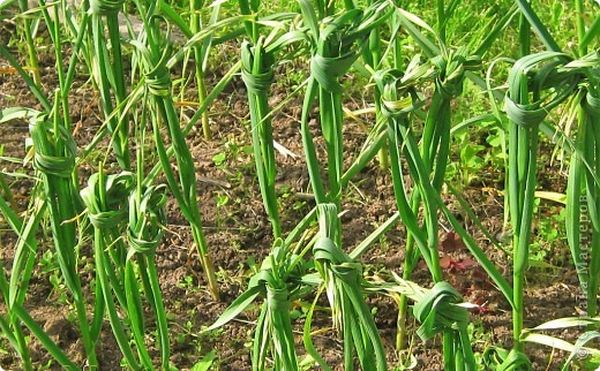
The downside of removing the stems at this stage is that over such a long period of time, the stems almost always remove a significant amount of nutrients from the plant. This will inevitably negatively impact the size of the bulbs and their maturation time. Therefore, the optimal solution is to schedule the procedure for when the stems reach at least 10 cm in length. This will prevent the stems from regrowing and will also prevent them from removing nutrients from the garlic.
There are no specific deadlines or dates for cutting back. Each gardener makes this decision based on their own practical experience. Some prefer to wait until the shoots straighten out. Others remove them a couple of times throughout the season. The key is to ensure this procedure is completed to ensure a bountiful garlic harvest.
It's important to properly remove excess plant parts. Pulling out the stem is not recommended. Doing so can easily tear the stem or damage the plant's root system. Some gardeners believe that breaking the stems off by hand or pinching them off at the base is a good option. However, this also carries the risk of damaging the plant, and the cut site from pinching will take a long time to heal. Pruning with pruning shears or garden shears is a better option. These will allow you to properly remove woody and long stems.
For young plants, you can use simple scissors or a knife, which is common in every kitchen. It's best to schedule the removal for a sunny morning. The cut should be approximately 1 cm above the base.
Benefits for culture
Beginning gardeners often wonder whether they should remove garlic scapes. And if so, what to do with them? Since they are not needed for the bulbs to mature, but rather serve only as seeds, it is recommended to remove them. Again, due to their significant moisture requirements, scapes prevent the bulbs from receiving the "fruit" found in the soil, essential nutrients, and the required amount of water.
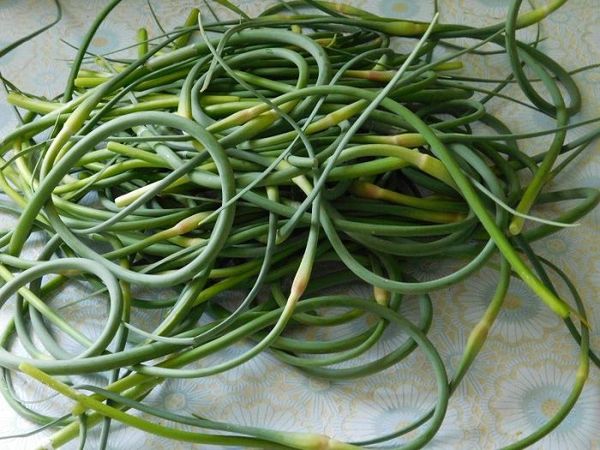
Plucking them is a mandatory agricultural procedure. It significantly increases garlic yields—by as much as 30–40%. It also helps speed up the ripening of the bulbs, resulting in larger ones. Many homemakers are reluctant to throw away the broken off shoots. They make delicious snacks. They are also preserved in various ways for winter enjoyment.
Video: "Why do you pick off garlic stalks?"
This video will show you how to grow garlic and remove its stems.