
Large, high-yielding garlic variety Lyubasha
Content
Description
The winter variety Lyubasha is a large-fruited crop. The average height of this plant is one to 1.2 meters, although specimens up to one and a half meters are also available. The leaves are rich green and have a light waxy coating. Each leaf is 0.4 meters long and 0.02 meters wide.
This variety produces abundant harvests, which is explained by its size. Each bulb weighs, on average, 0.1 kilograms, but can be larger – 0.35 kilograms. The outer scales of Lyubasha garlic are usually white with a slight pinkish tint. Individual cloves are cream-colored, and there are usually about nine of them per bulb.
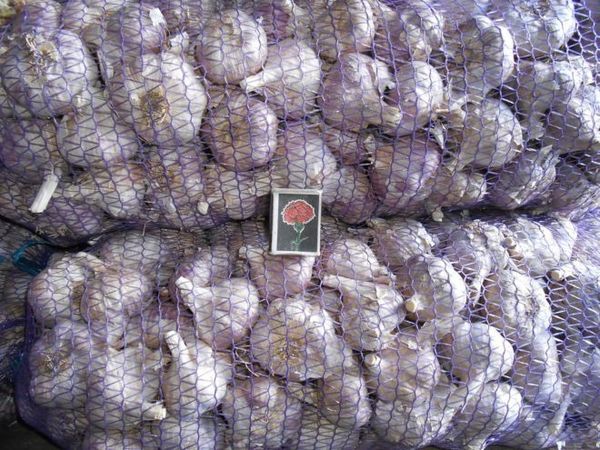
The variety has many advantages, in particular, resistance to low temperatures, drought, and good shelf life.
The flavor remains intact even 10 months after harvest. The variety is also highly productive—35 centners of garlic bulbs can be harvested per hectare.
According to the description, the winter garlic variety Lyubasha bears its first fruit in early summer. The exact timing of the first harvest varies depending on weather conditions and the regional climate. It can be eaten fresh or used as a seasoning for preserves. This variety has a rich, tart flavor and a strong, spicy aroma.
Landing time
If, after reading the description of the Lyubasha garlic variety, you've firmly decided, "I'll buy it!", then you need to know some of the specifics of its cultivation.
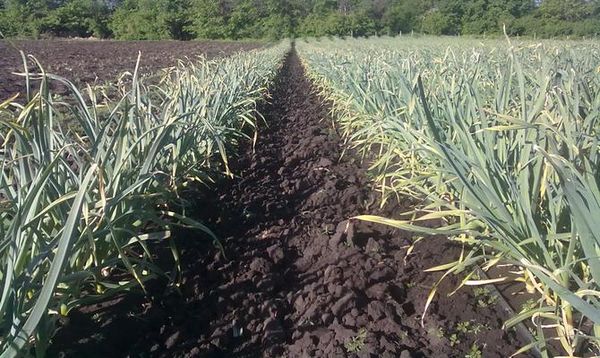
You can get a bountiful harvest by carefully observing the planting timing. The seeds of this variety should be sown in the fall: mid-October to mid-November. Keep a close eye on the weather: the best time to plant is 3 to 4 weeks before the first signs of frost appear. Otherwise, the plant won't have time to adapt to the "new" conditions and will die. Late planting reduces the plant's resistance to diseases.
As for seeding rates, they directly depend on the fraction. Typically, about 1.5 tons of seed is required per hectare.
Planting and care conditions
Growing Lyubasha garlic is simple. First, choose the right planting site. Avoid sowing garlic in areas where large amounts of water accumulate in the spring. At higher elevations, the garlic will freeze due to a lack of snow. Therefore, it's best to choose well-drained areas. If the plant doesn't receive enough light, the bulbs will become smaller and lose their distinctive flavor. Lyubasha is most productive when planted after cabbage, pumpkin, legumes, and greens.
Before planting, dig the soil to a depth of 0.3 meters. Remove large stones, weeds, and anything else that might interfere with the garlic's growth. Afterward, loosen and level the soil, and apply fertilizer. It's recommended to supplement the soil with potassium and phosphorus during this period. Fertilizing with cow manure or horse manure will yield excellent results.
Before planting, the seeds must be treated. Simply soak them in a potassium permanganate solution for half an hour.
There are 3 main methods of propagating Lyubasha garlic:
- Using the bulblets that form in the plant's stem. The seed from the stem, commonly called an air seed, is sorted by size before planting. Seeding should be done using a seed drill. In smaller areas, the process can be done manually.
- Using single-clove bulbs. This is the name given to the planting material obtained a year after planting the bulblets. Single-clove bulbs do not need to be replanted. If they were dug up previously, they must be disinfected with potassium permanganate before replanting.
- Using mature cloves. With this propagation method, the variety will lose its inherent properties over time.
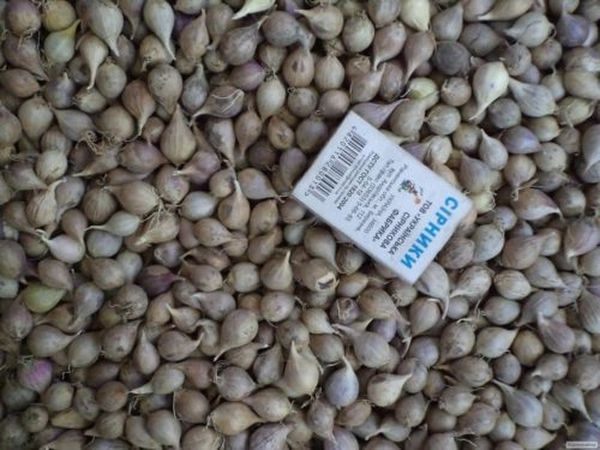
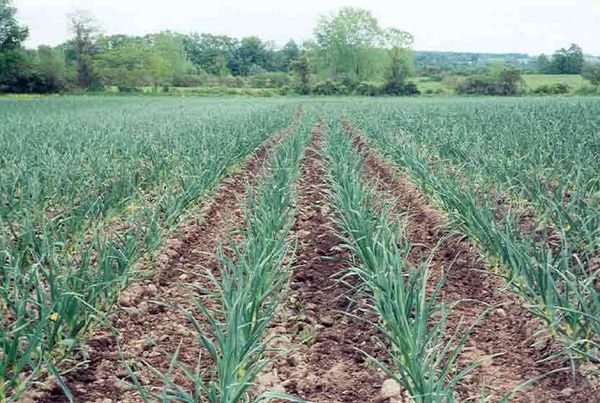
Garlic air seeds should be sown at 0.1 meter spacing. Rows should be spaced 0.4 meters apart. This will prevent the spreading leaves from shading neighboring plants.
The cloves should be planted no more than 0.05 meters deep. Under these conditions, the garlic cloves will definitely not freeze, even in severe frosts.
After sowing garlic, it is recommended to mulch the soil with peat, pine needles, hay or fallen leaves. The mulch layer should be at least 0.03 meters thick. If there's little snow in the winter, the covering will help protect against frost.
Yield of the variety
Lyubasha garlic delights farmers and gardeners with a rich, reliable harvest every year. A one-hectare plot can yield 35 centners per season. Lyubasha's fruits are quite large, each weighing over 0.1 kilogram. The garlic bulbs are attractive and can be stored for long periods without losing their essential properties. Therefore, this variety is often grown commercially.
Harvesting typically begins in June and ends in early July. However, harvesting timing is largely determined by the climate and weather conditions of the region.
So, the winter garlic variety Lyubasha deserves your attention due to its many advantages.
Video "Description of the Lyubasha variety"
This video will tell you more about the Lyubasha winter garlic variety.