
How to grow a large garlic crop in your garden
Content
Spring or winter
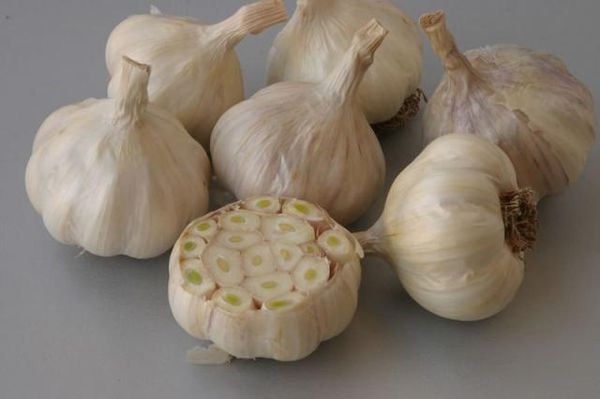
While experienced gardeners probably know the difference, newbies may be a little confused. Spring garlic is planted in the spring, while winter garlic is planted in the fall. Be careful not to misjudge the optimal planting times, otherwise you may never get a harvest. What distinguishes winter garlic? It consists of several small, evenly spaced cloves and a central stem. Spring garlic, on the other hand, does not have a distinct stem. Furthermore, its cloves generally vary in size.
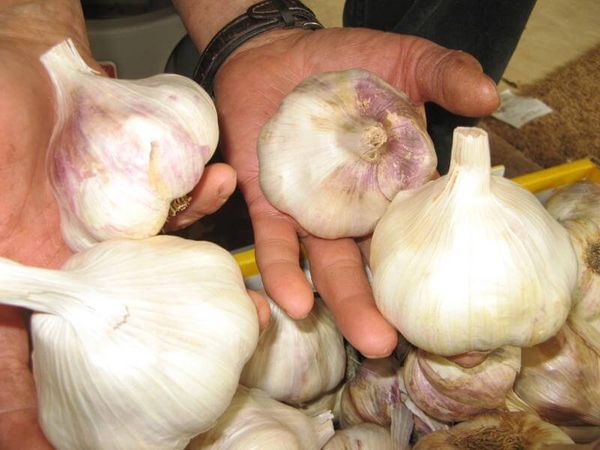
If we consider varieties from the point of view of harvest storage, then it is better to pay attention to spring garlic. Its fruits can be stored for quite a long time in pantries, cellars, or attics. They are consumed throughout the winter and spring, and if properly stored, bunches of home-grown garlic will retain their flavor and nutritional qualities until the following spring. This doesn't apply to winter varieties of garlic: they are best consumed fresh after harvest. Storing the harvest is also possible, but the results aren't always satisfactory.
However, winter garlic does have its advantages. Experts believe that farmers reap a much more bountiful harvest after planting winter garlic than spring garlic. Overall, growing this crop presents its own challenges. It struggles to adapt to various climatic conditions. To ensure your efforts are not in vain, pay special attention to the selection of seed.
First and foremost, buy high-quality varieties. Modern breeders are currently working to improve key agricultural crop traits: shelf life, yield, frost resistance, and early maturity. It's best to choose varieties that incorporate these characteristics at a high level.
Fertilizing the garden bed
Every gardener needs to know how to grow large garlic at home correctly. First and foremost, it's recommended to select the optimal soil location. If you plant cloves in an unfavorable location, all subsequent attempts to improve yields will be unsuccessful. So where should garlic grow? Choose a sunny, well-lit spot in your garden.
It's crucial to ensure that the groundwater level isn't too close to the soil surface. Excessive moisture can be the main cause of fungal diseases in garlic seedlings. However, if high groundwater levels are common in your area, you can take a different approach: create a raised bed in your garden. This way, the root system of your homegrown garlic won't reach the water and will be able to develop fully.
After selecting high-quality varieties for planting, soil preparation is key. If you plan to sow winter garlic, you should begin soil preparation at least two weeks in advance.
Even if vegetable planting is planned for spring, it's still recommended to fertilize the soil in the fall. The garden should be dug over and then supplemented with compost or humus.
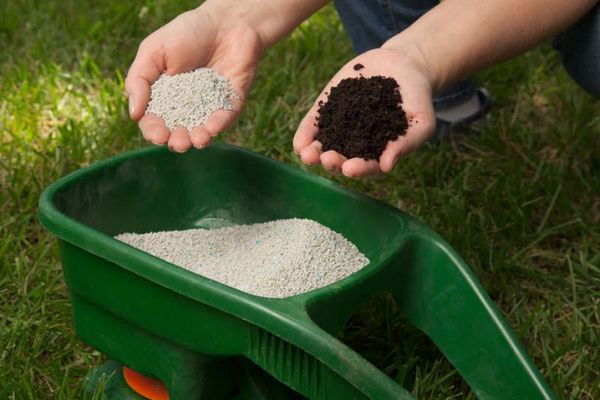
If the soil itself is well-fertilized, these fertilizers should be sufficient. However, to enhance the effect, you can add sand, turf, or peat to the soil. The soil should also contain ample amounts of organic fertilizer. Only then will it be sufficiently loose and enriched with nutrients.
Preparing cloves for planting
When growing garlic indoors, it's important to pay attention not only to soil preparation but also to the seed material—the garlic cloves. First, farmers select the largest and healthiest-looking cloves from the previous harvest. They should be free of any damage or blemishes. After selecting the suitable specimens, they must be disinfected with a 1% copper sulfate solution. This procedure is quite simple: the cloves are placed in the mixture for just a minute. This treatment is used to eliminate fungus and other pathogenic bacteria. But this applies to winter garlic.
It's also recommended to prepare the seeds that farmers prefer to plant outdoors in the spring. To do this, they are placed in the refrigerator for two to three weeks. This cooling process prevents the cloves from sprouting prematurely. After this process, the seeds should be wrapped in a damp cloth. During this period, they will actively germinate, and when the soil in the garden warms up, they can be planted outdoors.
In the spring
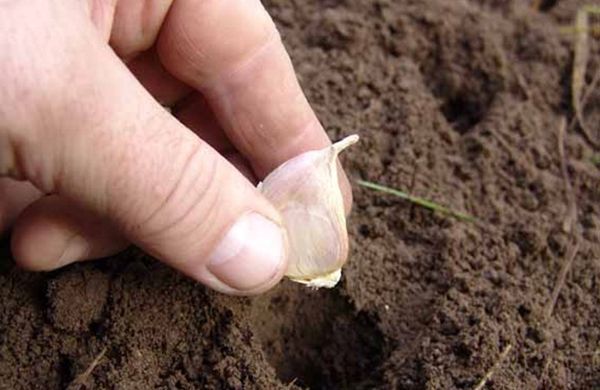
The optimal time for planting spring garlic is mid-April. By this time, the soil temperature reaches around 7°C (44°F), so gardening is safe. If the soil is moist at planting time, no additional watering is necessary. Carefully distribute the garlic among the beds. It's crucial not to damage the garlic's root system. After planting, it's recommended to mulch the beds.
Don't wait too long for spring warmth. Even if frost occurs after planting vegetables, this won't affect the crop's germination. The main thing is to ensure proper care for the plants going forward.
In the fall
Growing large garlic at home is commonplace these days. The actual process of planting the seeds isn't particularly labor-intensive, whether it's winter or spring garlic. However, don't start gardening unless you're familiar with the specifics of planting winter garlic. However, there's a specific technique used here. First, the cloves should be heated to 40 degrees Celsius and then treated with a saline solution.
Don't forget to prepare the soil: add fertilizer (potassium chloride and superphosphate). Immediately after planting the cloves, loosen the soil. For added effect, mulch the soil with a layer of peat or humus.
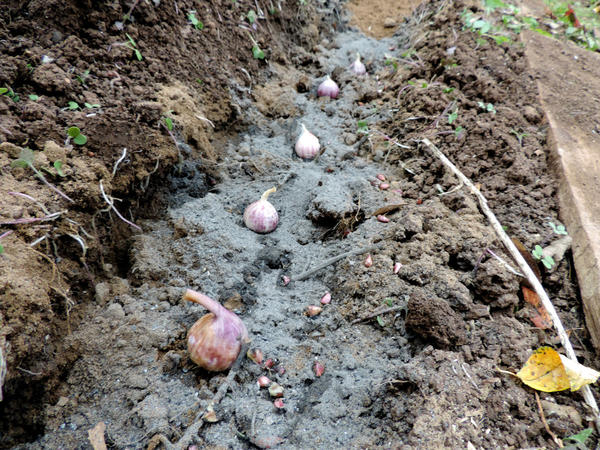
Growing winter garlic can be a bit challenging, especially given the cold temperatures. You'll be lucky if the winter is snowy, and the cloves of winter garlic are covered not only by a layer of soil but also by a decent layer of snow. But what if the frosts intensify and there's still no snow? You'll need to take care of the vegetable yourself. Some gardeners prefer to cover their garlic with plastic.
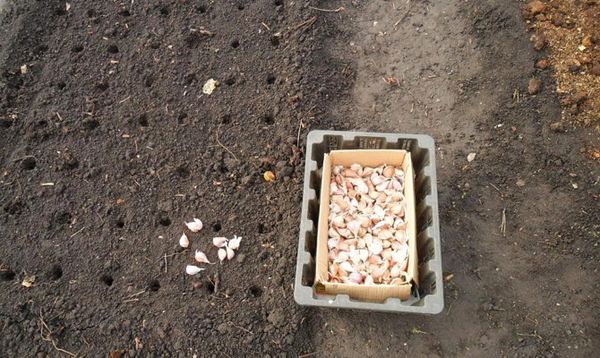
However, there's a plant-based alternative: walnut leaves. Why use them? They not only protect the garlic from severe frosts but also prevent it from turning yellow. Another important point when planting winter garlic: don't rush into gardening. If you plant it too early, the plant will already have sprouted by the time cold weather sets in, meaning it will simply freeze over the winter.
Secrets of Large Garlic
Every gardener wants their garlic to not only produce a good harvest, but to grow to a fairly large size. You'll agree that large garlic is more enjoyable to peel, and this vegetable is often used in the kitchen. Several factors can help influence the yield:
- time to plant garlic cloves;
- selection of varieties that are optimal for cultivation in your area;
- fertilizing the soil with nutrients;
- regular renewal of planting material;
- stable watering;
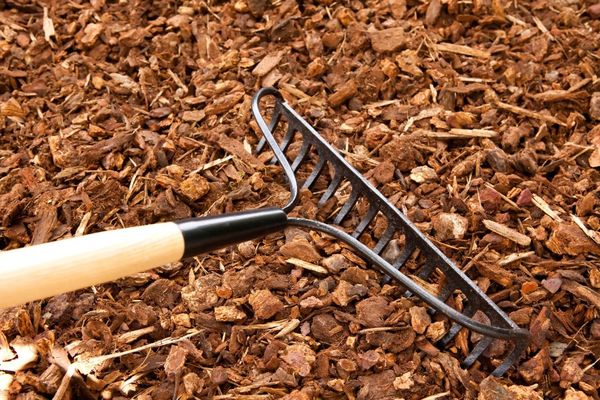
- mulching the soil, etc.
Not every gardener can ensure timely implementation of all agricultural practices. However, not everyone has the time, as gardens and summer cottages typically also grow other vegetables, flowers, and berries. All require proper care. However, by following the principles of growing garlic at home, you can reap a rewarding harvest.
Video: "Secrets of a Successful Garlic Harvest"
This video will show you how to grow a bountiful harvest of garlic.