
How to Grow a Good Harvest of Garlic at Home
Content
Planting material
So, what does growing garlic at home entail? To ensure you're satisfied with the results, it's recommended to strictly follow the recommendations of real experts. Garlic is an easy-to-grow crop, but it still requires proper care. First and foremost, it's essential to carefully select your planting material.
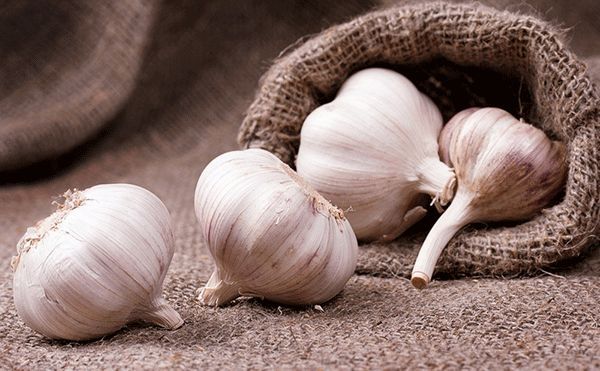
As a rule, almost all winter varieties of this plant produce special stems, which eventually develop into bulblets. Growing this crop will take a long time, as it is a perennial and develops its root system during the first year after planting. Therefore, this method is not advisable if you want to see results quickly.
The best solution for you is to plant garlic cloves in the ground. Inspect them carefully and select large ones. They can even be slightly dried out—this won't affect the result. The main thing is that the cloves are undamaged. However, yellow or overly soft cloves are also not recommended for planting.
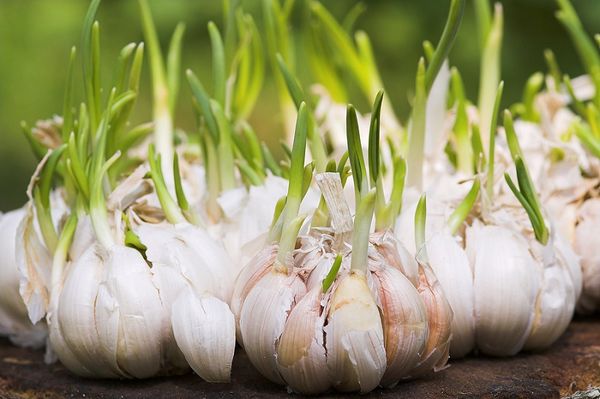
If you notice that some of your garlic cloves have small green shoots, be sure to plant them in open ground first.
Such planting material will emerge from the ground much faster.
Soil preparation
How to grow garlic indoors? Some novice gardeners believe they can simply fill pots with soil from the garden. However, this isn't the best solution. Garden soil is often used solely as a base for the growing medium. The reason is quite clear: garlic is typically planted in small, compact containers. Frequent watering (which is absolutely essential) will gradually leach out all the nutrients from the soil. Furthermore, the structure itself becomes compacted and poorly aerated. Be sure to include peat or sand in your growing medium.
To ensure large garlic plants, consider fertilizing them. Humus is best added to the soil. It's worth noting that garlic requires the addition of mineral supplements. Wood ash can serve as such a supplement.
How do you prepare soil for planting garlic cloves indoors? The soil mixture needs to be disinfected. To do this, place it in a hot oven for about half an hour. If you decide to buy ready-made soil from a specialty store, it's best to choose a universal mixture that also includes fertilizer.
Landing rules
How can you grow garlic on a windowsill? First, you need to understand how to plant the plant. Special containers are typically chosen for this purpose. First, they're much easier to care for. Second, they protect the garlic from all kinds of pests. The container should be at least 20 cm deep, with drainage holes at the bottom. Some growers prefer to use small individual containers for 1-2 garlic cloves. However, if you decide to plant them in a single, larger container, keep in mind that the distance between the cloves should be at least 10 cm.
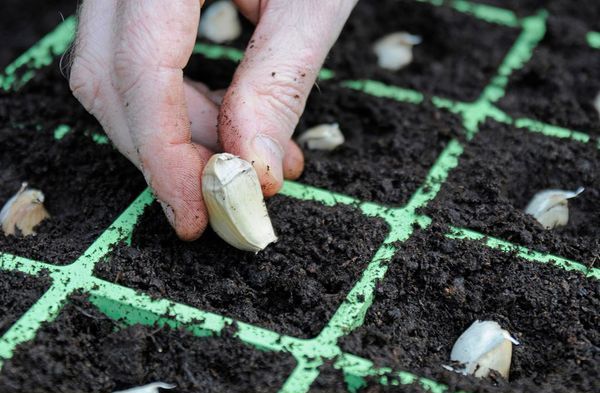
How can I ensure that garlic cloves are planted in the ground, taking all the basic recommendations into account? First, mix soil with sand. Fill the container with the mixture, leaving about 2 cm of headspace. Plant the garlic cloves (with the pointed end facing up). Once all the cloves are in the container, place it in a sunny spot, such as a windowsill.
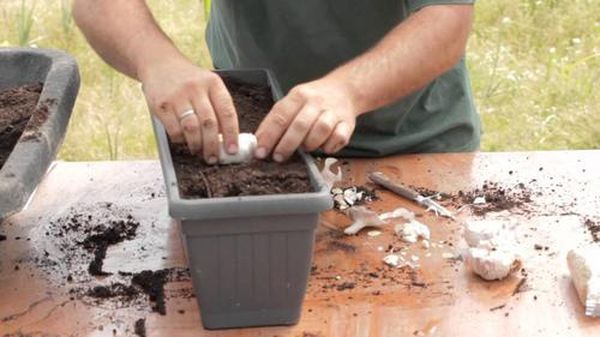
Be sure to ensure the plants have constant access to light: garlic requires approximately 8 hours of sunlight per day. Another important consideration when planting garlic indoors is the availability of a support. The container should be placed on a support structure to allow excess water to drain. Knowing how to properly plant garlic cloves in the ground will ensure a bountiful harvest and allow you to add this favorite spice and vitamin to your food during the winter.
Caring for seedlings
Growing indoor garlic isn't particularly labor-intensive. You just need to understand the theory so you can develop a plan for the process. Overall, it's a straightforward process; even novice gardeners can handle it. Especially if you've already grown onions on a windowsill, that experience will be useful here.
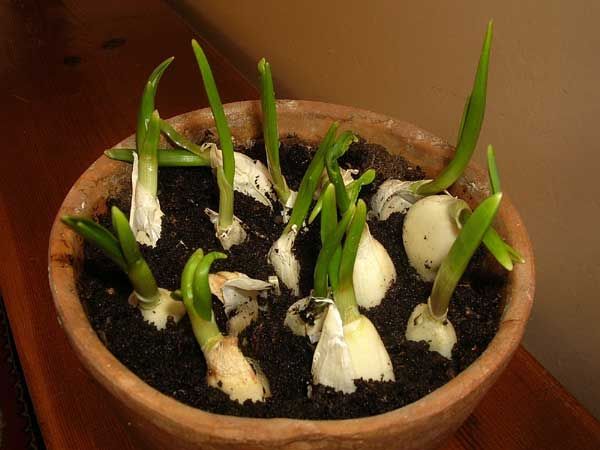
So, the first sprouts will appear within 1-3 weeks after planting. Why such a big discrepancy? The speed of garlic germination depends on several factors, such as the depth at which the cloves are planted. As soon as the first shoots appear, it's time to get to work. A full harvest is the key goal of every farmer. And this can be achieved without much effort.
Watering
How should you care for garlic sprouts planted on a windowsill? First and foremost, it's recommended to ensure the soil is thoroughly watered. The key is to strike a balance: don't overwater the soil, but don't let the top crust dry out either.
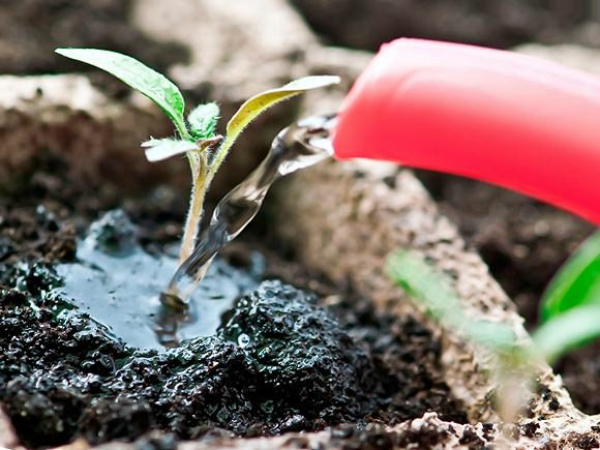
Water or mist the soil approximately every 2-3 days. However, if your indoor temperature is consistently high, you can increase the watering frequency slightly.
Top dressing
To grow a full harvest of home-grown garlic on your windowsill, it's not enough to just know how to plant cloves in soil. You also need to be able to create all the conditions for the plant's full development. For example, fertilizing garlic is crucial. It primarily prefers organic matter, especially nitrogen. You can also occasionally fertilize the soil with mineral fertilizers.
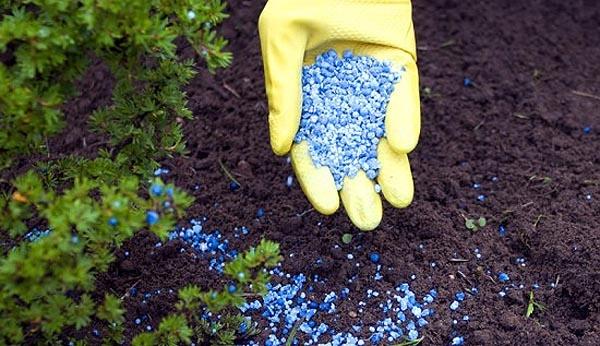
It's difficult to pinpoint a single fertilizer that will be most effective for garlic. Farmers use both store-bought mixtures and homemade fertilizers, such as mullein or poultry manure. Interestingly, you can also experiment with the consistency of the fertilizer. Garlic responds well to both liquid nutrient mixtures and granular or mineral fertilizers. It all depends on the cost of the fertilizer and your preferences.
Temperature
Garlic isn't a heat-loving plant. Maintaining a room temperature of around 20 degrees Celsius is sufficient. However, experts recommend not leaving containers with seedlings indoors, but rather placing them on a windowsill, balcony, or loggia. It's important to have a glazed balcony, as drafts are undesirable for any plant.
Sometimes gardeners prefer to grow garlic not only for the harvest but also for the bulbs. However, achieving this goal at home isn't always possible, and even when it is, the bulbs are often too large. Therefore, this method of growing garlic is impractical. Furthermore, the temperature required for this type of cultivation is specific: -15-16 degrees Celsius. Therefore, experienced gardeners advise against this idea.
Growing garlic at home isn't particularly difficult. The key is to approach it wisely. Follow all the basic expert recommendations, and you'll see results quickly, and you'll be able to enjoy fresh garlic even in early spring.
Video: "Secrets of Garlic Yields"
This video will show you the most interesting secrets for a great garlic harvest.