
How to distinguish winter garlic from spring garlic varieties
Content
Is there a fundamental difference?
Winter garlic is planted in the fall, saving time in the spring for other crops. It ripens in the summer, just when homemakers are busy preparing and canning vegetables. It doesn't keep well over winter and may lose its quality before spring planting, but it overwinters well after being planted in the garden and produces a good harvest. Spring garlic, on the other hand, stores well until spring but doesn't take root well when planted before winter.
It would be wrong to say that these two varieties are fundamentally different. Any of these can be planted in either spring or fall. However, if the recommended timing is followed, this crop yields a rich, high-quality harvest. If not, the harvest is typically meager and small.
Distinctive features
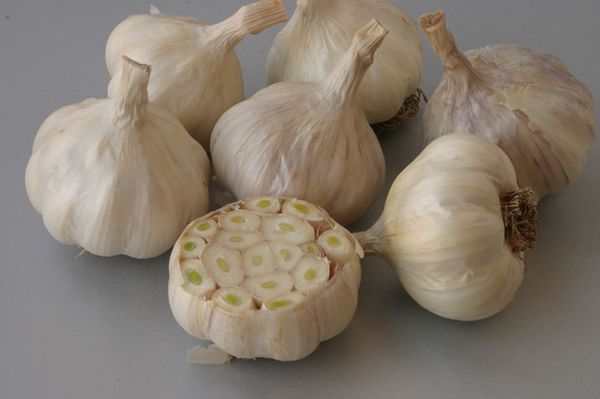
How can you tell winter garlic from spring garlic? Winter garlic bulbs are covered with tough, dense scales, and have a thick, hard stem in the center. This bulb contains a small number of cloves, between 6 and 10. The cloves are uniform, large, and always an even number. Summer varieties have soft, thin scales, like tissue paper, a soft or absent central stem, and numerous small, irregularly shaped cloves arranged in a random pattern.
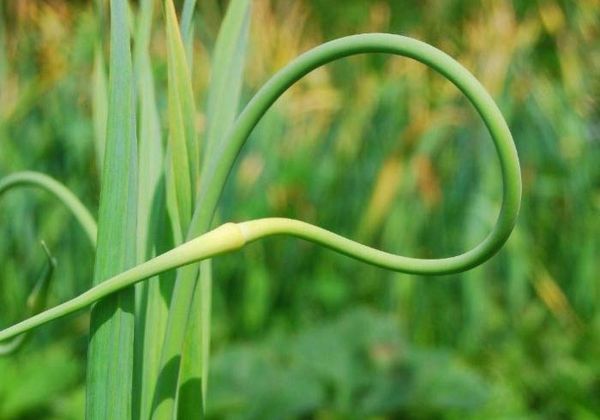
You can distinguish spring garlic from winter garlic by the fact that only winter varieties produce stalks, while spring varieties, with the exception of the 'Gulliver' variety, do not. Consequently, winter varieties can be grown from seeds that ripen in the bulblets at the ends of the stalks, while summer varieties cannot.
Landing features
It is not recommended to plant this crop in the same place for several years. After harvesting, the soil should rest for at least three years. It is best to alternate it with legumes, cabbage, and cucumbers, but not with onions, as onions are susceptible to the same diseases as garlic. It is planted in rows spaced 15-20 cm apart. The distance between plants within a row is 10-15 cm.
Garlic should not be planted in low-lying or damp areas where the bulbs can rot. Garlic varieties differ not only in harvesting time but also in planting methods.
Winter garlic
Sandy loam soils are best for this plant. The beds are prepared two weeks before planting. This is done 15-20 days before the onset of persistent cold weather. During this time, the bulb will root and be ready for winter. The typical time for planting is October, but the timing may vary depending on the local climate.
The planting depth for winter garlic is twice the clove's height to ensure a sufficient soil layer and good overwintering. It can be planted not only as cloves but also as aerial bulblets, which grow on stems. If you plant winter garlic in the spring, it will produce a bountiful harvest of green leaves.
Spring garlic
Medium and light loamy soils are suitable for this spring variety. Beds are prepared in the fall, so that in the spring they only need to be loosened. It should be planted as early as possible, when the soil temperature reaches 5-7 degrees Celsius (41-43 degrees Fahrenheit), as it dislikes heat and thrives in cooler conditions. The soil should be sufficiently moist at planting time to ensure a good harvest in the fall.
When planting summer garlic cloves, don't plant them too deep to ensure quick germination. How you store the spring garlic bulbs before planting them in the ground greatly influences their results. If stored at 18-20°C (64-68°F), they will grow large, but ripening will be slow, and the harvest may not be ready by the end of the season. If stored in a cellar or on a balcony, where the average temperature is around 6-7°C (43-45°F), the harvest will ripen faster, but the bulbs themselves will be smaller.
The optimal method is to store the bulbs in a warm place and then move them to a cool place a month before planting. After planting, apply a 2-5 cm layer of mulch (peat, hay, straw, or sawdust) to the soil and thoroughly loosen it. This will help loosen the soil and retain oxygen.
What type do gardeners prefer?
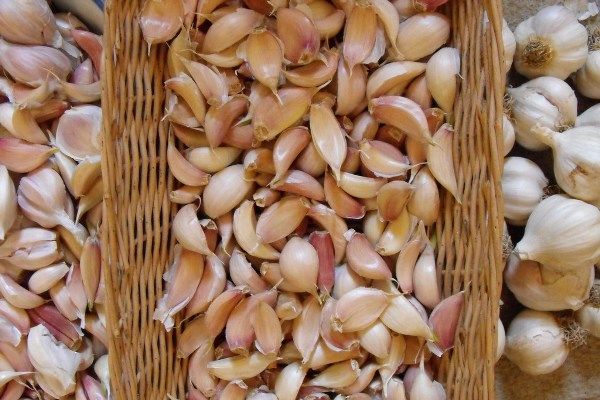
Each variety is good in its own way, and the choice should be made in accordance with the tasks that interest the gardener. Winter varieties are more popular than summer ones, possibly because their bulbs are much larger, harvesting occurs during the canning season, and autumn planting saves time in the spring. These advantages outweigh their lower shelf life.
Winter varieties are eaten immediately after harvesting, while summer varieties are designed for long-term storage. The flesh of summer varieties is denser, allowing them to be stored for a year or more, maintaining their quality. If space permits, it's a good idea to grow both winter and spring varieties. This way, you'll have fresh garlic on your table year-round.
Video: "Learning to Distinguish Winter Garlic from Spring Garlic"
This video will show you how to distinguish between winter and spring garlic varieties.