
How to properly store garlic in a city apartment
Content
Storage in glass jars
There are several varieties of garlic. These directly influence specific harvesting times and nuances, familiar to experienced gardeners. For example, the beloved spring garlic is also known as summer garlic. This crop is traditionally harvested in mid-August. Winter garlic, also commonly known as winter garlic, is typically harvested in late July. Proper harvesting of the vegetable determines its successful storage.
Harvesting should be done on time. It's time to dig when the lower leaves have turned yellow, the tops are at the surface of the soil, and the flower heads are not only dry but also cracked. Delayed harvesting can result in flower heads that have broken into individual cloves, as well as extra roots. These will then be unable to last more than two months. It's best to plan your harvesting for dry, warm days. Stop watering the beds a few weeks before the planned harvest.
The bulbs can usually be dug up with a shovel or pitchfork. Next, they need to be laid out so they can dry properly. Leave the garlic laid out in the sun for at least 3 days if you want it to not only preserve properly but also remain just as tasty and beneficial for your body.
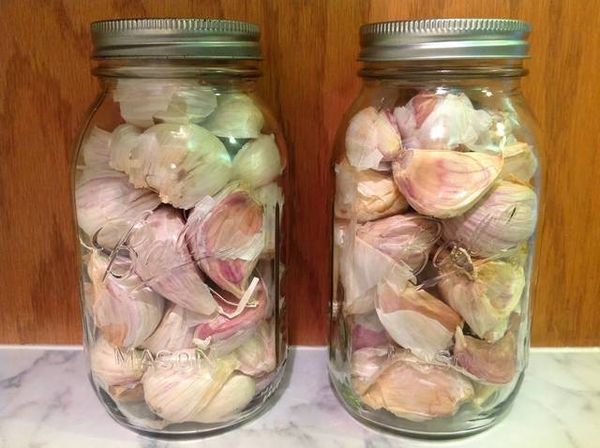
Let's move on to the main question that worries many: how to store garlic in an apartment during the winter? If you don't follow simple storage rules, the harvest will simply become moldy or rot. When storing garlic in a city apartment, it's crucial to monitor the bulbs' condition and create the right conditions for them. One popular method is to store garlic in a standard, appropriately sized glass jar with a lid.
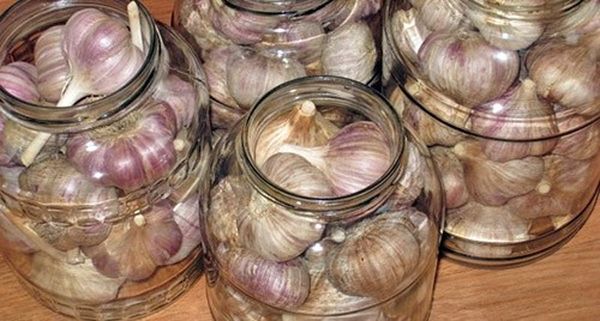
Peel the cloves, place them in jars, and pack them tightly. Next, you can choose one of the following options: add salt, flour, oil, and grind. Glass jars should be sterilized and thoroughly dried beforehand. This will ensure the garlic won't mold. Choose the oil of your choice: olive oil, vegetable oil, flaxseed oil, or corn oil.
When you remove the cloves from the jar, the oil will have a unique garlic aroma. Garlic can also be stored in a jar as powder. To make powder, cut the cloves into slices and then dry them in the oven for no more than 15 minutes. Next, grind the slices into powder. A modern coffee grinder or food processor is ideal for this.
Storage with salt
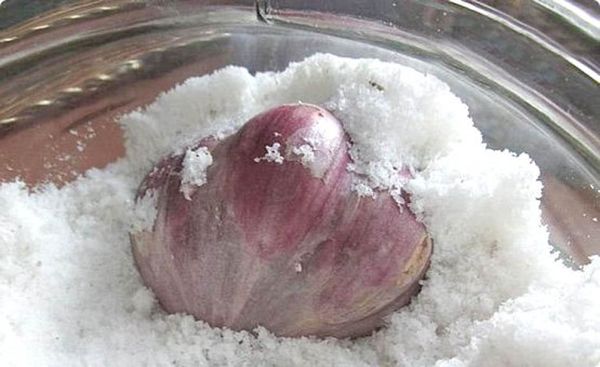
How can you preserve garlic another way, using common table salt, which is common in any home kitchen? Use plywood boxes or large pots. Place coarse rock salt on the bottom, add the garlic, and top with another layer of salt. It's recommended to sprinkle the salt especially thoroughly between the garlic cloves.
Ideally, they shouldn't touch each other. Storage should be at room temperature. Salt will preserve the garlic's excellent flavor and beneficial properties. While it can be stored in salt at room temperature for about four months, it can be stored at temperatures between 0 and -3°C for up to eight months.
Oil and iodine for storage
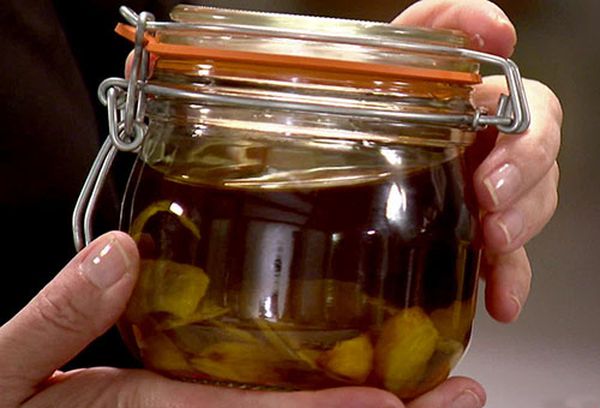
When preparing winter food, housewives sometimes resort to rather unusual methods for preserving their harvest. How else can you store garlic in an apartment? Besides table salt, many people prefer to store this beloved vegetable in sunflower or other oil with added iodine, which is available at any pharmacy. Often, you already have this oil at home. The oil should be pre-treated so that it can create a reliable barrier against air entering the container or film. This will prevent spoilage of the stored product.
Boil sunflower oil for 2 hours. Then add iodine at a rate of 20 drops per 1 liter of oil. Dry the garlic bulbs thoroughly. They should be unpeeled. Then, using a piece of cotton wool or a cotton swab, wipe each head of garlic with the homemade mixture. Once the process is complete, place the garlic in an open area exposed to sunlight. Once the oil has been absorbed, which can be determined by running your fingers over the surface, it is recommended to wrap each bulb in plastic wrap.
Store in a dark place
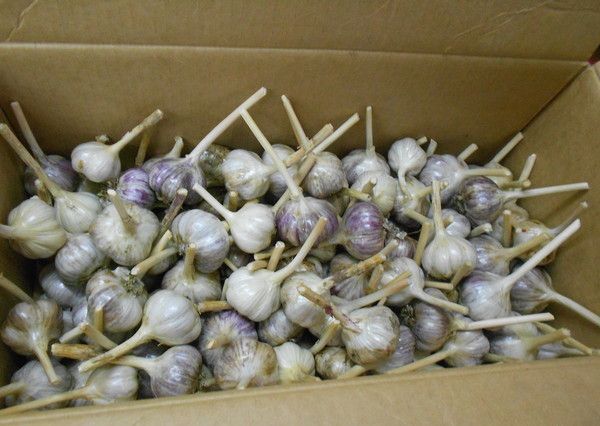
When wondering where to store garlic in an apartment during the winter, most people, aware of the specifics of this process, choose a dark, cool place for the vegetable. This could be a cellar or basement, which is often the case in apartment buildings.
Why does the harvest keep well there? Because high temperatures are harmful to it, as they can cause mold or rot. This has already been discussed. One of the simplest ways to store garlic in a cool, dark place is by braiding the herbaceous stems. This improvised braid can be made using twine.
The resulting braids are then simply secured to the ceiling or walls of a basement or cellar. Some prefer to store the harvest in wooden crates or cardboard boxes. A normal temperature range is considered to be -1 to 3 degrees Celsius. Higher temperatures may cause the garlic to sprout. If the temperature in the basement or cellar drops below -3 degrees Celsius, the harvest may freeze. In this case, its excellent flavor and the preservation of its nutrients cannot be expected.
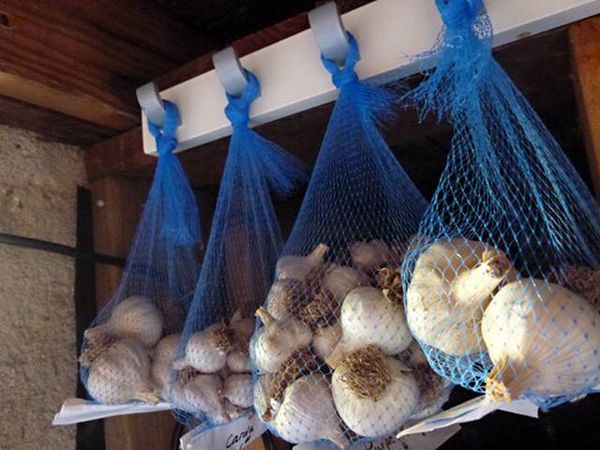
As the practical experience of many people shows, the harvest is well preserved in the conditions of a cellar or basement if it is placed in nets or nylon stockings. These simple, handy tools have been in use for many years, allowing you to enjoy the flavor of your favorite vegetable in various dishes throughout winter and spring.
Video: "Storing Garlic in Your Apartment"
This video will show you how to properly store garlic in a city apartment.