
Selecting and preparing soil for planting garlic
Content
Substrate characteristics
Prepare the soil for winter garlic a week and a half before planting. Dig the soil to a depth of 0.25 meters and loosen it. This will help oxygenate the soil. Remove all weed roots. Otherwise, they will sprout in the spring, and the entire bed will be covered with grass.
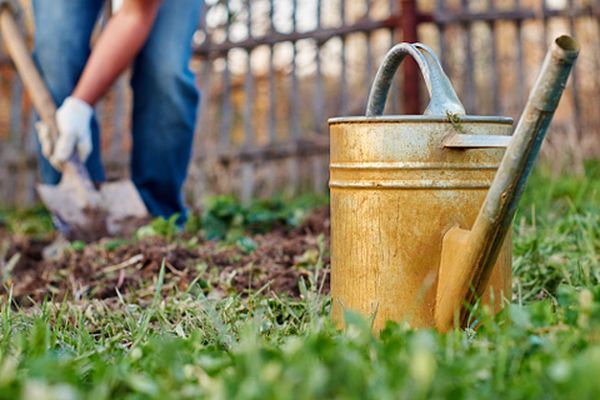
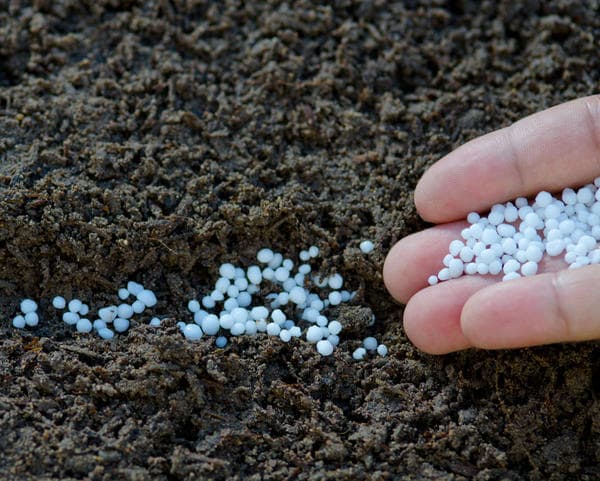
To ensure a bountiful vegetable harvest, it's worth adding fertilizer to the soil. Humus can be used, but it's best to avoid adding fresh manure. Additionally, you can fertilize with superphosphate, potassium salt, and ammonium nitrate. After adding the nutrients, water the dry soil generously. This will ensure that the soil is moist and soft before planting. This is the perfect soil for the bulbs to overwinter successfully.
Soil preparation
Soil for spring garlic should be prepared in late autumn, and for winter garlic, in the last ten days of August or early September. Planting the vegetable before winter is more convenient, as it reduces the amount of spring gardening work.
Organic fertilizers (compost or humus) will help improve soil fertility. At least one bucket of organic matter should be added per unit area. Using fresh manure as fertilizer is strictly prohibited.
Autumn garden bed preparation involves adding a mineral complex consisting of equal amounts of superphosphate, nitrophoska, and wood ash. Treating the soil with copper sulfate 2-3 days before planting will help disinfect the soil. The soil composition can be improved by adding peat, sand, or loam. The choice of component depends on the soil type.
For most vegetable crops, including garlic, irrigating the area with a saline solution is beneficial. This will reliably protect the crop from pest attacks. If the garlic plants are slow to develop green mass, it's worth fertilizing the soil with urea. Alternatively, you can use bird droppings or a mullein solution. Fertilizing should be done three times every two weeks.
For planting, use only the best seed, selecting and discarding any damaged cloves. This will ensure a bountiful and healthy harvest.
Fertilizers and dressings
During autumn digging, the soil requires 3 kg of compost and humus, a tablespoon of superphosphate, nitrophoska, and wood ash. In the spring, the prepared soil is leveled, watered with a copper sulfate solution, and then covered with opaque film for a couple of days.
It is worth adding nutrients if the green mass is growing slowly, and also when the size of the bulbs approaches the size of a walnut.
Forming a garden bed
Garlic should be grown in a dry, sunny area where snow doesn't linger in the spring. A permanently shaded area of the garden isn't ideal. Also, avoid low-lying areas where snow lingers for long periods. If choosing the perfect spot for garlic isn't possible, consider creating raised beds.
Crop rotation rules should also be considered. Like most plants, garlic shouldn't be planted in the same spot for decades. Firstly, this can lead to soil contamination. Secondly, garlic-loving insects will accumulate in the deep soil. Their attacks dramatically reduce the number of garlic crops and deteriorate their quality. The ideal period for growing garlic in one spot is three years.
One of the best ways to prepare a garden bed for garlic is to plant cucumbers, cabbage, and legumes in the summer. Potatoes and onions are not the best precursors for garlic.
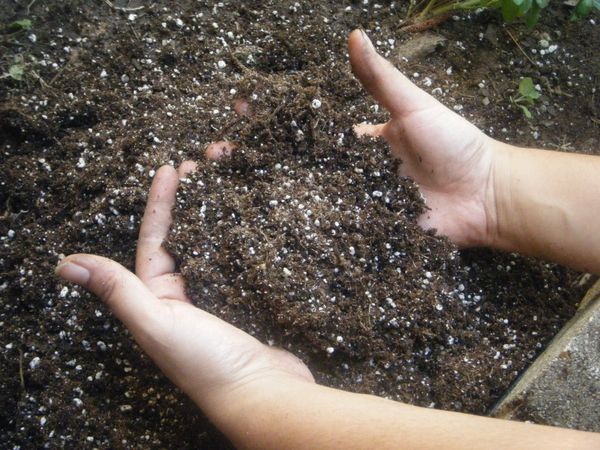
Light, sandy loam soil is ideal for growing garlic. If the soil is heavy and tends to retain moisture for long periods, it's worth adding sand or expanded clay.
Rules for planting garlic
Before planting garlic, check the soil structure. The soil shouldn't be too compact, as this can damage the cloves when pressing them into the soil. In winter, heavy soil can push the garlic to the surface, causing the clove to freeze. In this case, it's a good idea to add sand, peat moss, and forest humus to the soil.
Light soil isn't the best option for planting garlic either. If the cloves sink into the soil when planted, gently compact the soil with a wide board.
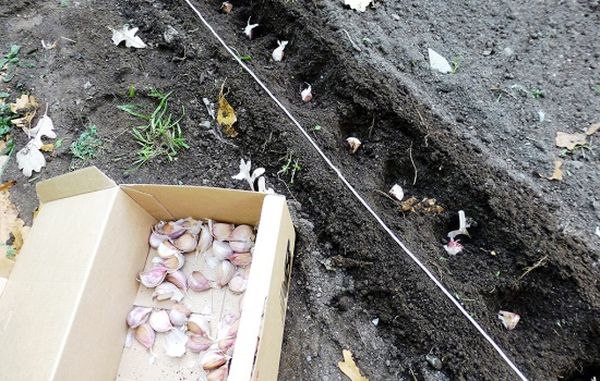
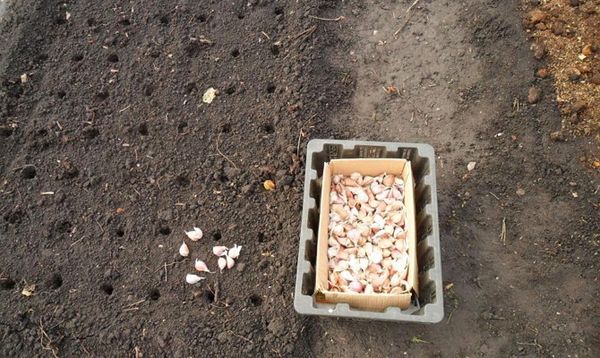
The planting bed should be prepared in advance. Therefore, on planting day, the first step is to mark out the area. Furrows should be drawn on the soil surface, spaced 0.2 meters apart. The distance between plants should be at least 0.1 meters.
The planting depth of the cloves should also be considered. The ideal distance between the top of the plant and the soil surface is 0.03–0.04 meters. If the depth is too deep, the harvest will be small; if the depth is too small, the plant will freeze. After planting, the bed should be watered thoroughly. Otherwise, the soil will draw all the moisture from the seeds.
So, if you want to reap a bountiful harvest of garlic, choose the right planting location and be sure to prepare the substrate in advance.
Video: Preparing the Soil for Planting
This video will teach you how to properly prepare the soil for planting.