
What can and cannot be planted in a plot after garlic
Content
Peculiarity of culture
Many beginning gardeners wonder what to plant after garlic. We all know the rule: annually, it's necessary to adjust the planting pattern of certain plants. This restores the balance of nutrients in the soil. It's worth clarifying the same nuance when it comes to growing garlic indoors. With proper adherence to key crop rotation recommendations, garlic seedlings will yield a bountiful harvest.
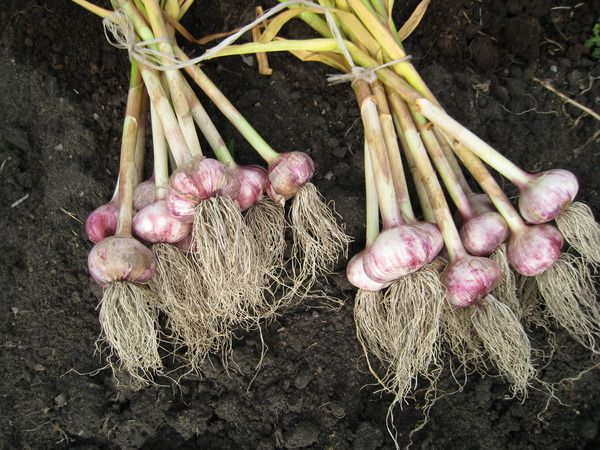
The main thing is to take into account the fact that chaotic changes in the location of vegetables in the garden will not bring any special results.
It's important to create a clear plan and keep track of which plants you planted in which locations last season, and which ones you can plant next season. How can you keep track of this process? It's simple: keep a notebook or draw up vegetable planting diagrams, which you can then store in one place.
Which plants are recommended for planting garlic in open ground? Experts recommend planting cloves after cabbage, melons, beans, peas, and tomatoes. These vegetables are a storehouse of organic and mineral components, so they not only draw nutrients from the soil for their own development but can also enrich the soil themselves. Some experienced farmers prefer to alternately plant garlic and cucumbers in the same spot. What are the benefits of this "neighborhood"? It's worth noting that cucumbers, in general, enrich the soil with nitrogen, which is vital for garlic's development.
Even without delving into the intricacies of this multi-layered process, certain rules should not be neglected. For example, it is not recommended to plant plants from the same family in the same spot. In the garden, as a rule, one should not alternate onions with garlic, potatoes with tomatoes, carrots with dill, or cucumbers with zucchini. Otherwise, such a placement will be of no use.
Why can't you plant members of the same family in the same area permanently? This approach will quickly deplete the soil of nutrients beneficial to plants. But the harmful effects of this process don't end there. Plants begin to actively absorb toxins. They also become easy prey for various parasites and diseases.
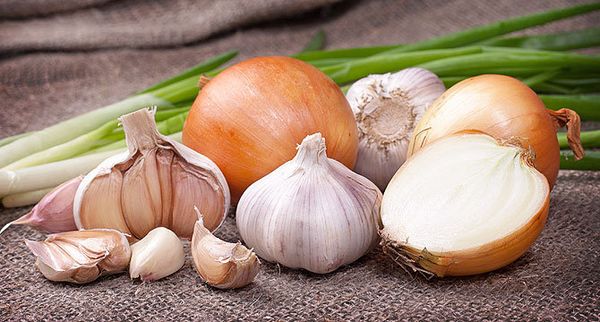
How else can you learn to grow crops efficiently in your garden? There's a universal approach: alternate between "tops" and "roots." This will restore the balance of nutrients. Therefore, properly managed placement is the key to a successful harvest. Once you've selected the most optimal gardening site, begin preparing your seeds. Avoid using seeds that are more than two or three years old: they're simply spoiled, and you won't get any harvest from them.
A beneficial neighborhood
What to plant after garlic? There are several options. However, what is interesting is that garlic can not only become an excellent predecessor for certain garden crops, but also, in principle, coexist with other vegetables. What plants can be planted alongside garlic? Some of the most popular "neighbors" include tomatoes, beets, strawberries, cucumbers, and carrots. In this case, garlic plays a protective role, preventing aphids from infesting nearby garden crops. However, aphids aren't the only pest garlic can combat. Experts believe it's also effective at repelling mole crickets, carrot flies, cockchafer larvae, and Colorado potato beetles.
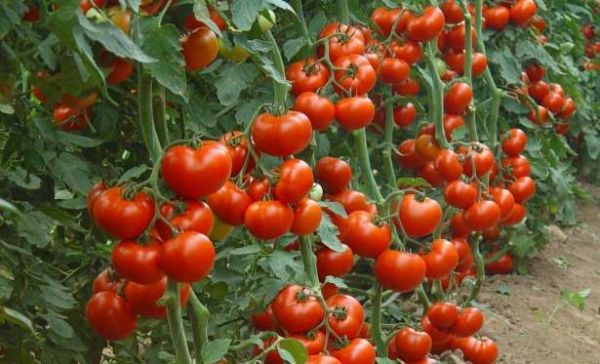
In midsummer, garlic sprouts can prevent black spot, powdery mildew, and gray mold from appearing in your garden. If you decide to plant garlic in your garden near your flowers, you can provide complete pest protection for your roses, asters, gladioli, and carnations. During the period when these bloodthirsty insects are actively infesting your garden, you can water your roses with a garlic solution: its properties will effectively repel pests.
Strawberries and garlic make a good companion plant. This is because strawberry seedlings are less susceptible to fungal diseases, while strawberries will ensure your garlic plants have large heads and cloves. To ensure truly successful garlic cultivation in your garden, it's essential to strictly adhere to a rotation plan. The best option is to plant the plants in a staggered pattern. This can include cucumbers, strawberries, carrots, and even garlic.
What should you absolutely not plant?
It's well known that garlic can be grown in a garden plot. However, the question of what's not allowed is no less important. Be sure to follow the key recommendations to ensure good results. Generally, the soil after growing garlic indoors is enriched with nutrients, allowing almost all vegetables to thrive. However, there are exceptions, and onions are one such exception.
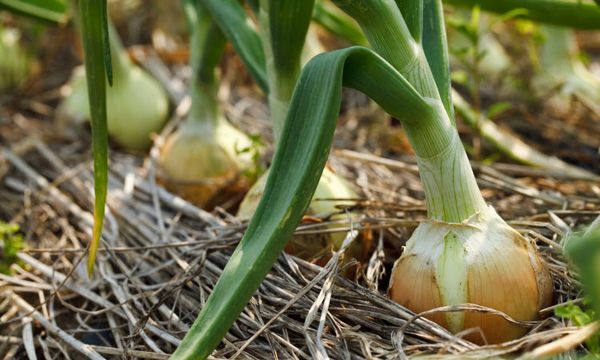
It's not recommended to swap garlic with onions or plant one plant after the other. These crops are very similar in their properties, so planting them alternately in the same spot will not only result in a poor harvest but also significantly deplete the soil.
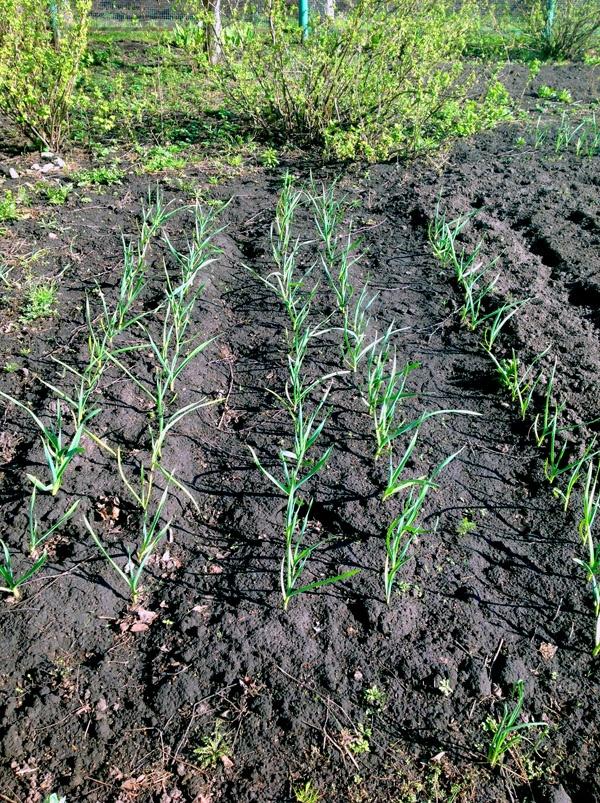
Instead, onions can be safely considered a successor to radishes, cucumbers, or cabbage. Only with this approach will your harvest be truly bountiful.
What to plant the year after garlic
Garlic is a healthy crop. But its benefits don't end there. After cultivating this crop, you can safely grow other vegetables, just be sure to exclude onions from the list. But first, you need to prepare the soil for the next season. That is, after harvesting the garlic, be sure to thoroughly dig the area, treat it with copper sulfate, and add fungicides and insecticides to the soil.
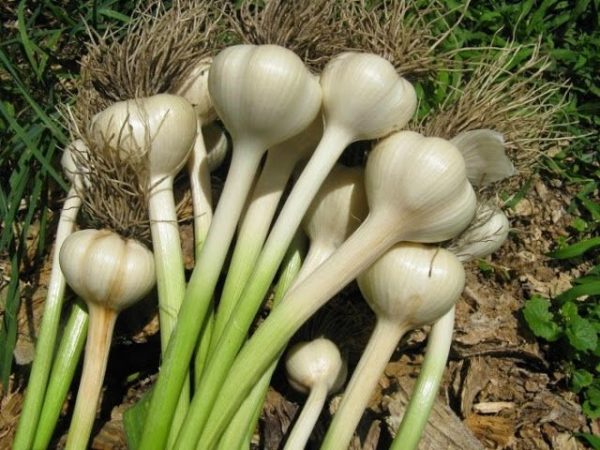
You won't be able to grow without fertilizer. Only when the area where you grew garlic is fully cultivated can you determine which crops are best to replace it. In most cases, tomatoes, beets, and cabbage are the best choices. These plants belong to a completely different family, so they don't deplete the soil after garlic, but rather help restore its nutrient balance. Take care of your plot: the more carefully you handle crop rotation, the better your harvest will be.
Video: How to Plant Garlic Properly
This video will teach you the basic rules for planting garlic in your garden.