
Growing Eggplants in Siberia: Choosing a Variety and Preparing Seeds
Content
Selecting a variety
First, it's important to decide which varieties you plan to grow in your garden. If we're talking about a greenhouse, there's no need to think long, as in these conditions you'll be able to harvest equally well from early, mid-season, or late-ripening eggplant varieties. However, when it comes to the vegetable garden, remember that late-ripening varieties of this crop produce fruit as early as autumn. Consequently, they could simply freeze to death in the garden, as frosts are common in autumn.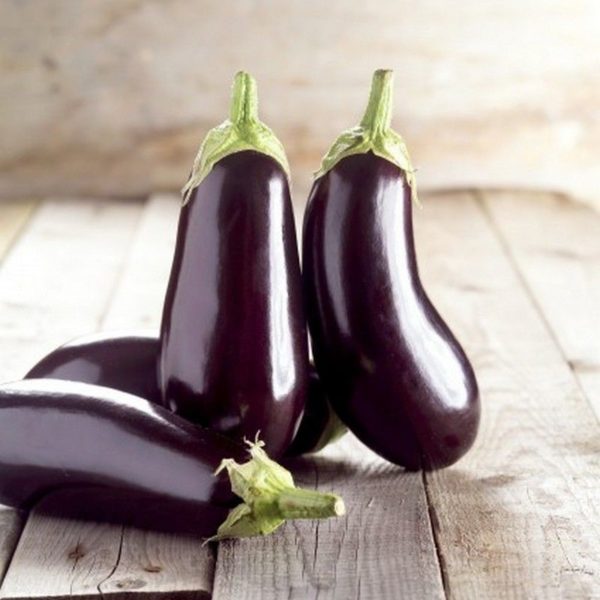
Which varieties should you choose? The following eggplant varieties are best suited for Siberia:
- "Almaz" is a mid-season variety. The bush can reach up to half a meter in height, and the fruits are distinctively shaped, resembling a cylinder. They have a dark purple hue and form primarily on the lower part of the plant. Remarkably, this is one of the few eggplant varieties whose flesh lacks bitterness. Importantly, yields will not be affected if these eggplant seedlings are planted in the garden.
- "Nutcracker." This variety is somewhere between early and mid-season eggplants. It takes about 45 days for the fruits to fully ripen. What are the characteristics of this eggplant variety? The fruits are dark purple and round. Typically, farmers can encounter many problems not only during the cultivation of this vegetable but also during storage. However, with the "Nutcracker" variety, you won't have to worry about any of this. The vegetables retain their properties for quite a long time, so there's no need to process or preserve them immediately.
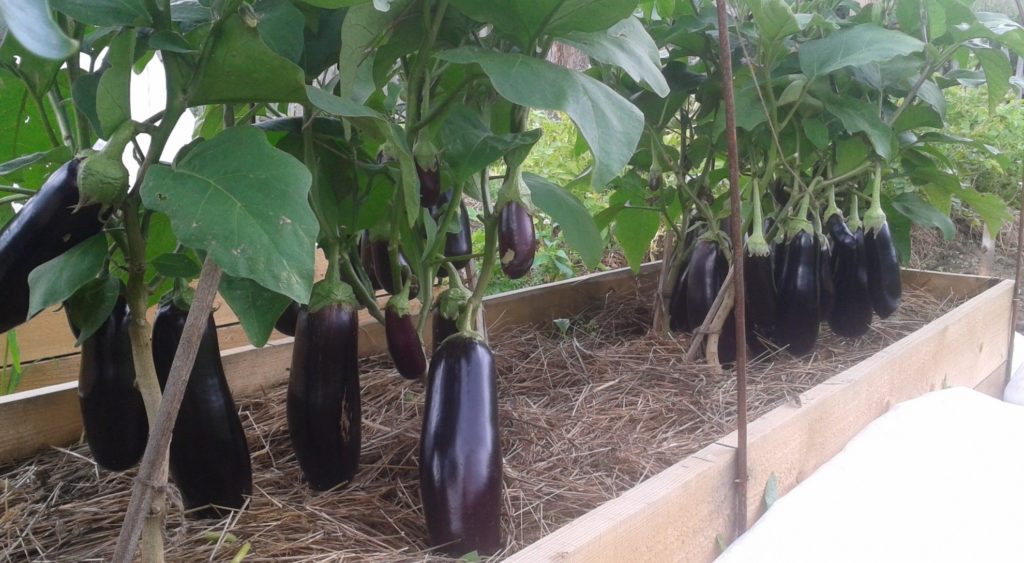
- "Matrosik." These early-ripening eggplants are characterized by their cylindrical shape. The bush reaches a height of just under a meter. Remarkably, the green flesh has a non-bitter taste, which is always appreciated by gardeners.
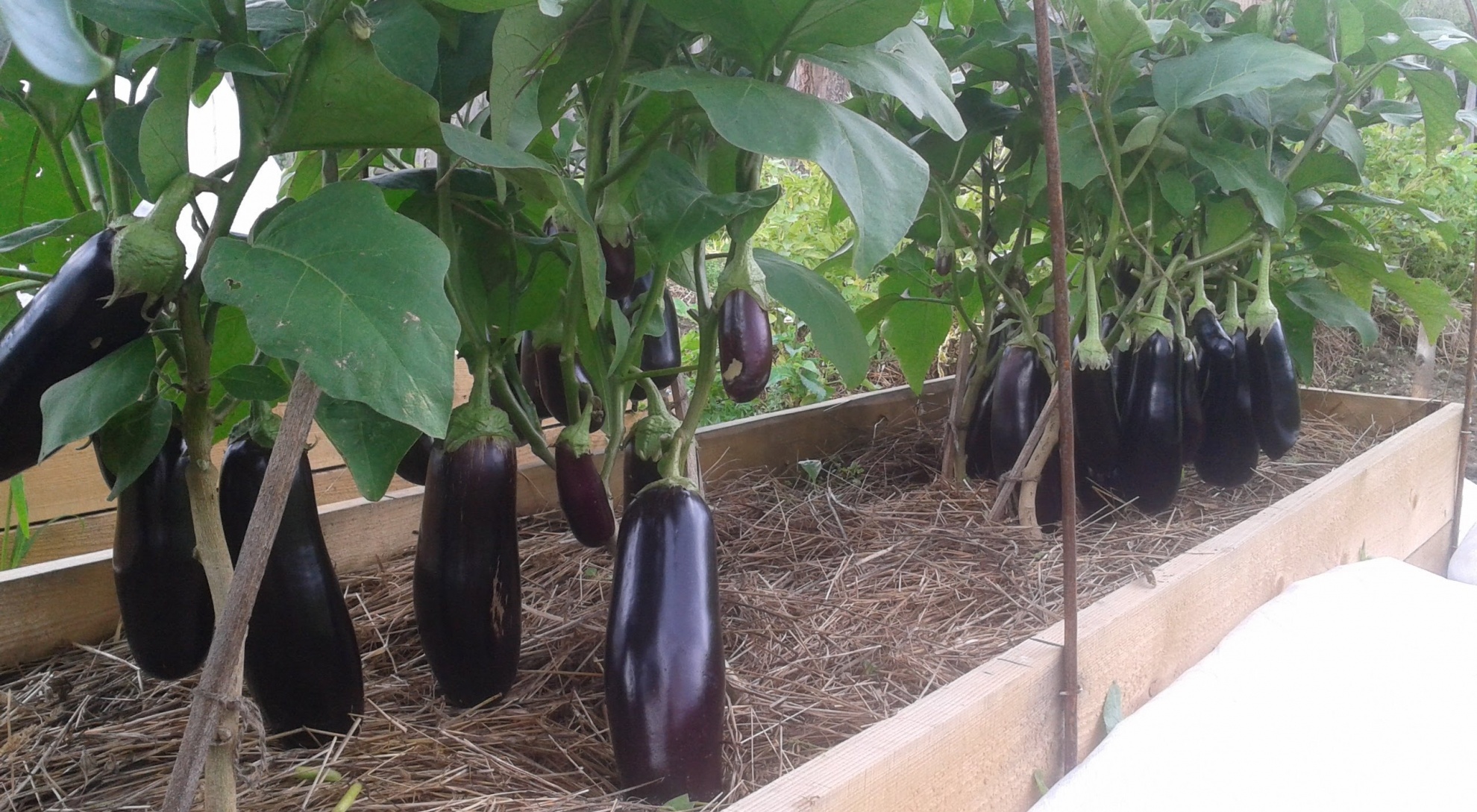
All of these varieties are considered productive and grow well even in a seemingly less favorable region like Siberia.
Video: "How to Grow Eggplants in Siberia"
This video will show you how to effectively grow eggplants in this region.
Preparing the land
How to grow eggplants correctly? Once you've selected the best varieties for your region, it's time to prepare the substrate for planting the seedlings.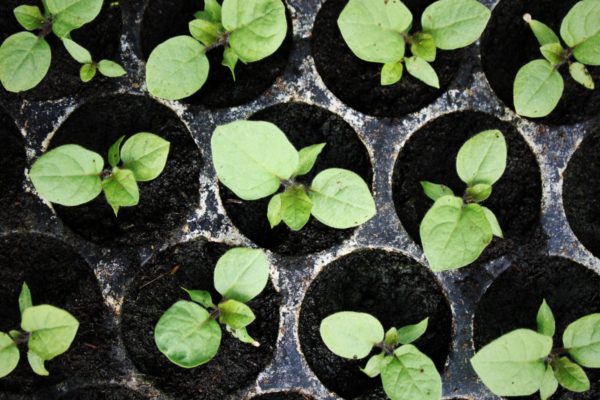
First, decide on the container you'll use to grow your eggplants. This could be a single large container or box, or small flower pots or disposable cups. If you sow the seeds separately, you will not have to resort to the process of picking out the seedlings.
Mixing all the necessary components to create the substrate deserves special attention. Take some turf soil and mix it with sand, peat, and humus. When the soil is ready to use, pour it into your containers and pots and top it off with a strong potassium permanganate solution. Purchasing the substrate from a specialty store is also considered the best option, but this will be quite expensive.
If you've done everything correctly, the first shoots will appear in your containers within two weeks. Don't bother digging up the eggplant seedbeds to check if they're still alive; this could disrupt the seed's development.
After sowing the seeds, remember to provide them with optimal growing conditions. This applies especially to the amount and frequency of watering. Over-saturating the soil with moisture is undesirable, but keeping the substrate dry is also not recommended.
Seed preparation
When growing seedlings, you must understand that absolutely every stage of this multi-layered process is important and will significantly impact the yield and quality of the fruit. Therefore, pay due attention to all components, for example, when preparing eggplant seeds. First, check their viability. To do this, prepare a strong salt solution at a rate of 30 grams of salt per liter of water and place some of the seed material, at least 10-15 seeds, in it. If half of the seeds fall to the bottom of the container, you can safely sow the eggplant seeds in the soil.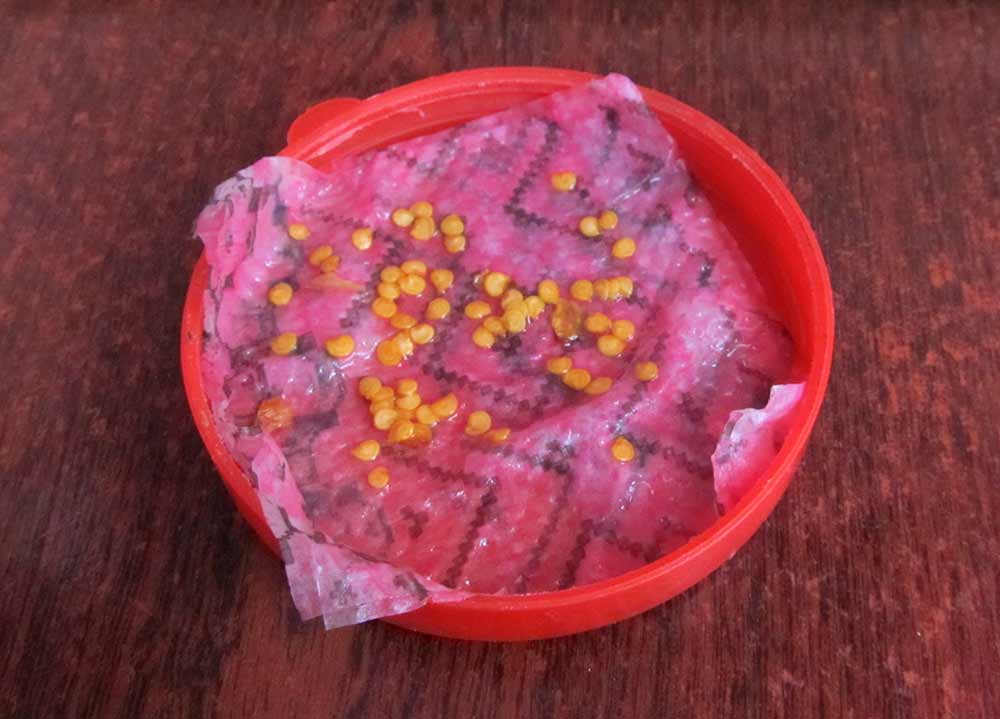
Experienced farmers often try to stimulate active germination of seeds before sowing them in the substrate. To do this, they place them on damp cotton pads or cover them with water-soaked paper towels. This way, you'll see which seeds have sprouted just before planting them in the soil, indicating that with proper care, they will yield a good harvest. For those who want to prepare seedlings for transplantation as efficiently as possible, it's important to follow a specific sequence of steps. For example, immediately after sowing the seeds in the soil, place the containers in a warm room (you can even place the pots with seeds directly on the windowsill). It's crucial to provide supplemental artificial lighting during the initial stages. Later, the seedlings can be transferred to a greenhouse before being planted outdoors.
Transplanting
Planting sprouted seeds in the garden is another important step for any gardener. The first thing to keep in mind is to be extremely careful when removing the sprouts from their containers. Their root system is not very strong, and damaging it can destroy the entire sprout. 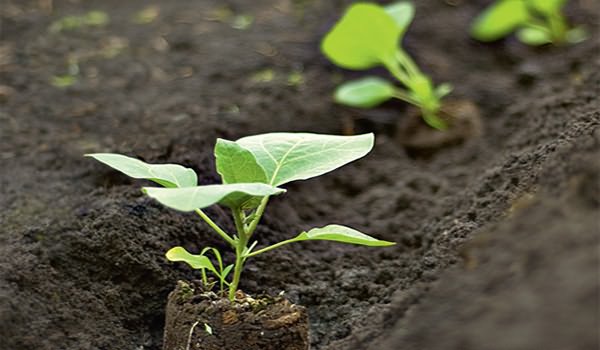 Some farmers prefer to sow eggplant seeds in peat. In this case, there's no need to remove the seedlings; they can be transplanted along with the nutrient substrate.
Care in a greenhouse and in open ground
Sowing eggplants indoors in Siberia is no easy task. However, ensuring optimal growing conditions for your seedlings is equally important. Growing eggplants in a greenhouse is certainly much easier. There, the temperature is regulated, and sudden climate changes won't affect the seedlings. 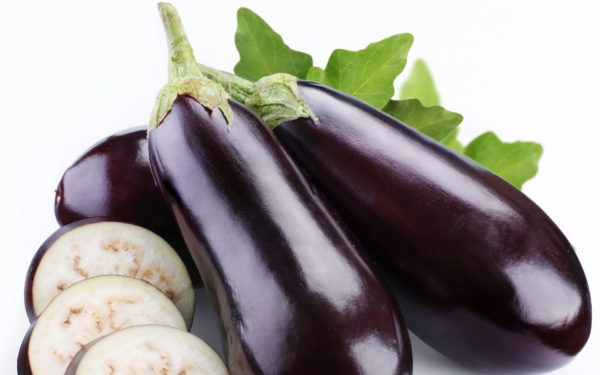 In the garden, however, they face a number of problems, not just the weather but also pests that can cause particular damage. Professional pest control is recommended if you want to reap a good harvest.
Harvesting
Experienced farmers will certainly agree that harvesting ripe fruit can damage the bush. Therefore, never pick the fruit. They must be carefully cut off, stems included. 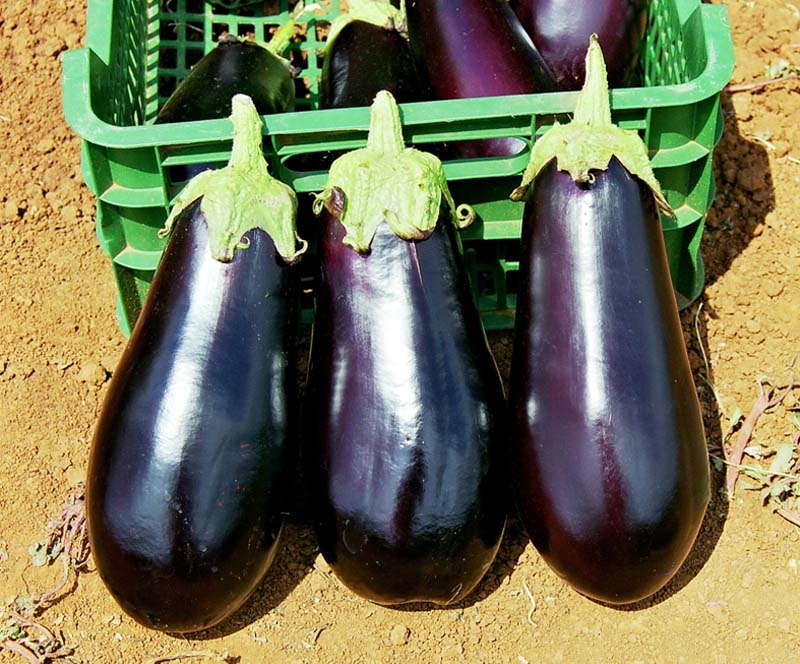 As for storing them, much depends on the variety you choose. Some fruits lose their flavor quite quickly, so it's recommended to preserve them immediately. However, there are also varieties that can be stored in cellars or pantries for a long time.
Seed harvesting
While you may have previously preferred buying eggplant seeds, now that you've harvested a healthy crop from your garden, you can find an alternative: preparing your own seeds at home. To do this, select several of the largest eggplants from your garden and leave them in a warm place for 5-10 days. This way, the resulting seeds can be sown the following season.
Of course, growing eggplants in a region with rather harsh climates is a complex undertaking. It will require a fair amount of effort on your part. Moreover, not every experienced gardener will be willing to expend the effort.
But if you follow the key recommendations from experts, you'll get good results. Early- or mid-season, eggplants will become an indispensable ingredient in your dishes, and canned eggplants are also quite popular. The main thing is to protect the seedlings from the cold Siberian temperatures and pests. This way, you can grow eggplants in your own garden and prepare the seeds yourself for next spring.
Video: "The Best Varieties of Eggplant"
From this video you will learn the characteristics of the best eggplant varieties.