
Growing eggplant outdoors in the Moscow region
Content
The best varieties
Before purchasing seeds for seedlings in the Moscow region, it's important to identify the most popular eggplant varieties among farmers. Specifically for this region, the following varieties are quite popular:
- Baikal. This hybrid provides gardeners with a fairly generous harvest. Its fruits ripen within 100-110 days. The bush grows tall, reaching up to 1.2 m. Like most eggplant varieties, the Baikal variety is recommended for greenhouse cultivation, where a high yield can be expected. However, not everyone has the opportunity to provide such conditions. Therefore, this variety is also common in gardens in the Moscow region.
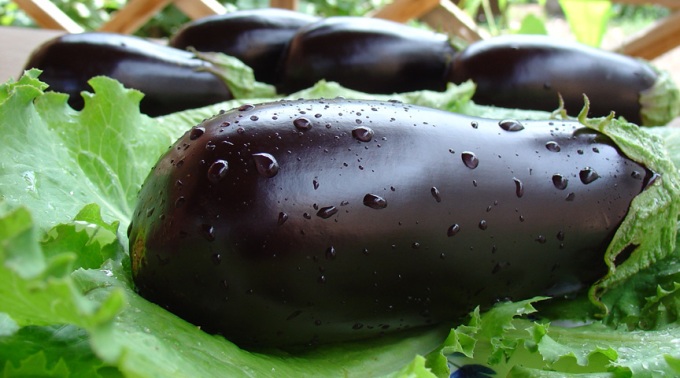
- Giselle. Based on yield per square meter, a farmer typically harvests up to 9 kg of eggplants in a garden, while greenhouses can yield up to 16 kg. Full ripening occurs in less than 120 days. What makes this variety so special is not only its flavor but also its attractive presentation. Eggplants can be planted for seedlings both in greenhouses and in the garden. The only significant drawback of this vegetable is its fussiness. Growing it isn't easy; you'll need to invent a variety of agricultural techniques.
- King of the North. A truly ideal eggplant variety, especially for the Moscow region. It's highly cold-resistant, and you'll be able to harvest a full crop by mid-summer.
- Marzipan. This variety is considered mid-season, ripening before frost. Importantly, it's a good choice for any farmer, as it's virtually immune to a variety of diseases.
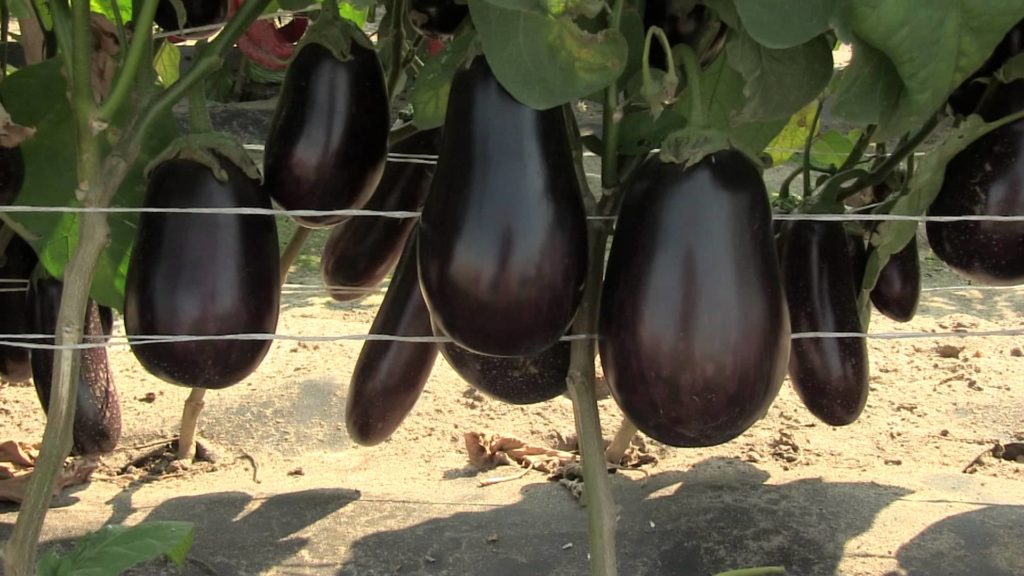
- Agat. Agat is the best variety for growing outdoors. It takes approximately 110 days for the fruits of this vegetable to fully ripen. While this variety's advantages include a relatively high yield, it does have its drawbacks. One of these is its low frost resistance, so in unfavorable weather conditions, the eggplant seedlings can simply freeze.
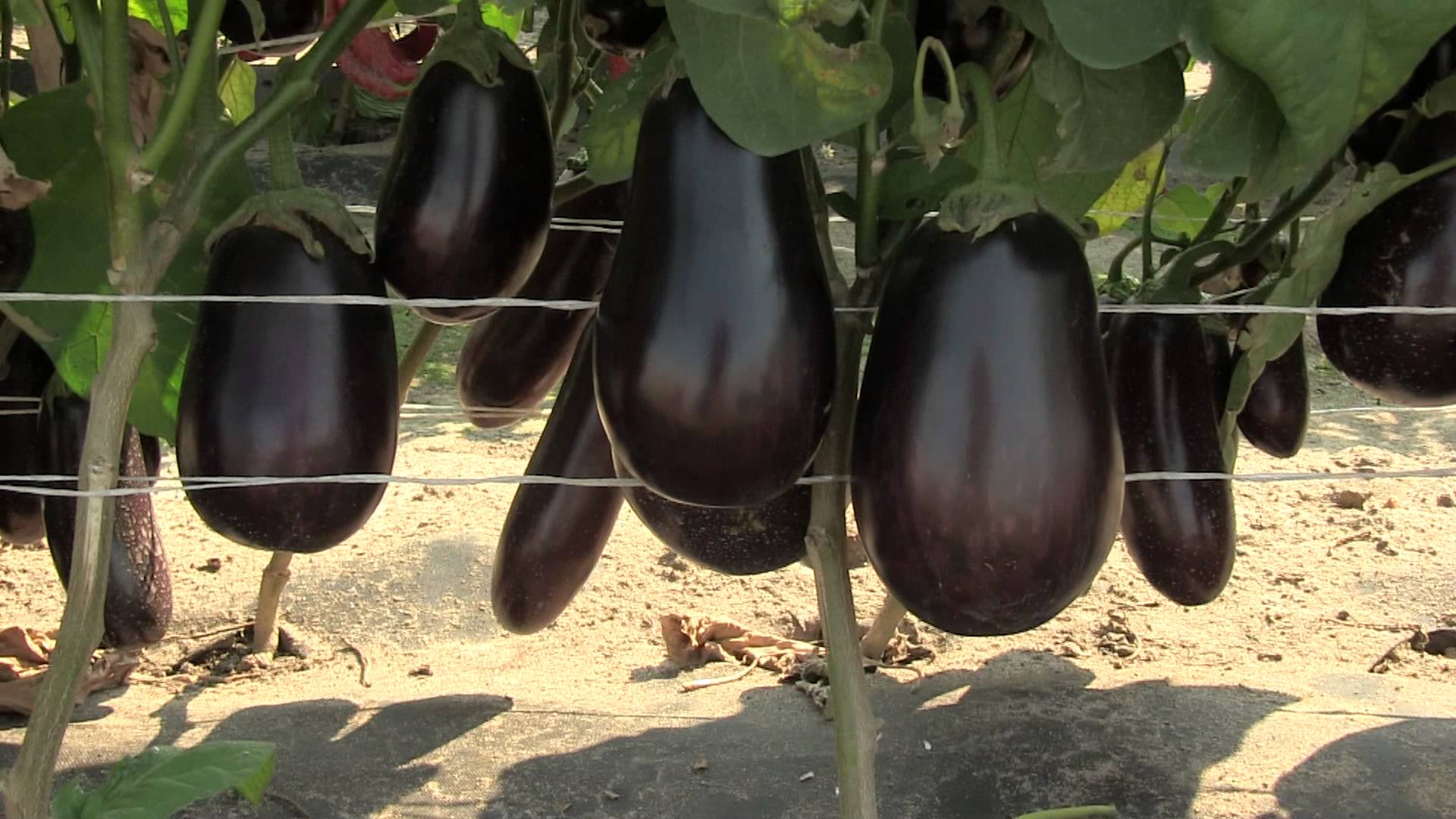
Growing eggplants outdoors in the Moscow region can be very productive if you select the optimal varieties for your region and provide all the conditions for their active development.
Video: "Sowing Eggplant Seeds for Seedlings"
This video will show you how and when to sow seeds for seedlings.
When to sow for seedlings
To successfully grow eggplants in the Moscow region, it's essential to thoroughly understand all the intricacies of the process. This is a delicate garden plant, so even the slightest oversight can lead to a low yield. Furthermore, eggplant is a delicate crop, so even in the relatively mild climate of the Moscow region, planting it in a garden carries a certain risk. The likelihood of a good harvest is significantly higher if grown in a greenhouse.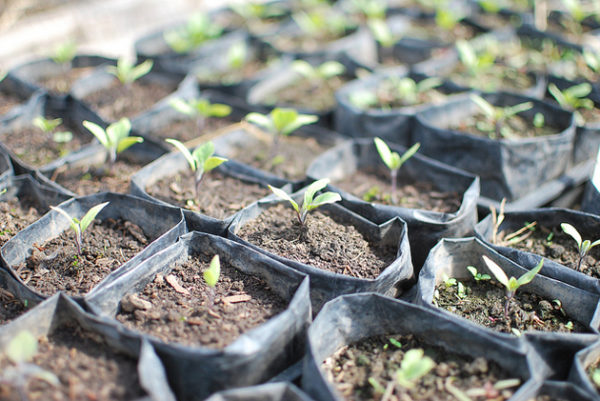
When should you sow seeds in a greenhouse? Most farmers rely on the lunar calendar, but be sure to keep one thing in mind: it's best to plant eggplants no later than mid- to late March. If we are talking about open ground, you can plant the seedlings in mid- to late May, but only when your garden plants are no longer bothered by night frosts.
Seed planting technology
Knowing when to sow eggplant seedlings allows you to anticipate the approximate time for the first shoots to emerge in the greenhouse and thus formulate a plan for the future. However, first, you need to plant the seeds in the ground. What nuances should every gardener consider? First of all, the plant doesn't tolerate damage to its root system, so it's recommended to transplant the seeds into pots immediately. Immediately before planting, it's best to soak the seeds in a damp cloth or melted water for a while.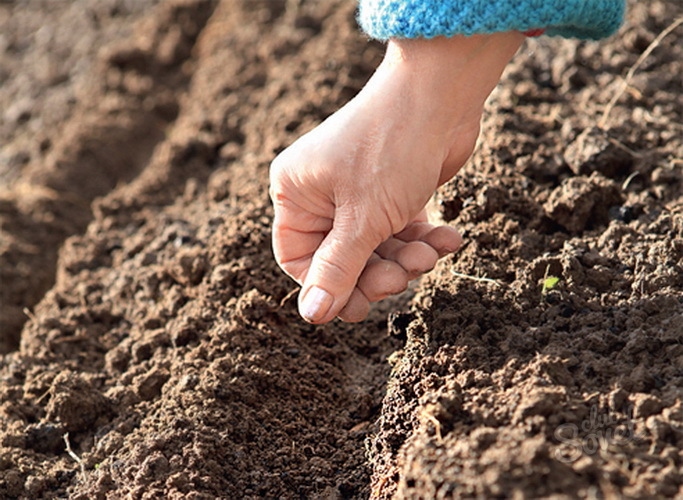
What kind of soil should a plant need to contain all the necessary nutrients for eggplants? Typically, it includes the following components:
- 2 parts humus;
- 2 parts of turf soil;
- 1 part fine sand;
- wood ash - you will need 3-4 spoons of this fertilizer for a bucket of soil mixture.
Don't put off preparing the soil for planting eggplant seeds until later. Experienced farmers prepare the substrate in advance, in the fall.
Caring for seedlings
Timing of planting and the emergence of the first shoots is crucial. However, the eggplant growing process doesn't end there; the most labor-intensive stage lies ahead.
For those who have planted eggplant seedlings in a greenhouse, care won't be as difficult, but there are still some nuances to keep in mind. Among the essential conditions for eggplant seedlings are maintaining a stable temperature and humidity.
It's worth noting that daytime temperatures shouldn't drop below 24 degrees Celsius, and at night, no lower than 15 degrees Celsius. Humidity levels shouldn't exceed 70%.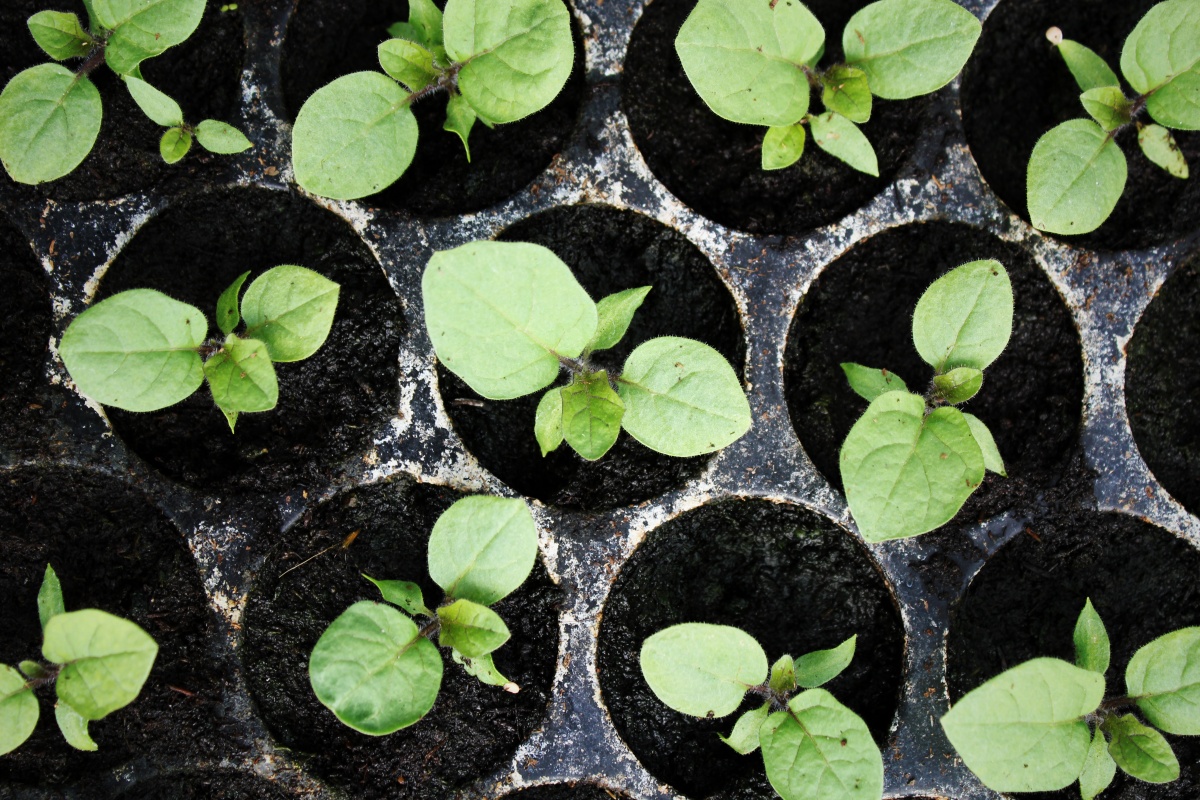
What else is recommended for a farmer when caring for greenhouse eggplants? The room needs to be regularly ventilated. But that's not all. Water the plants gently. Avoid overwatering the soil, otherwise the root system will rot. It's best to water the soil no more than twice a week, but thoroughly.
Timing for transplanting seedlings into a greenhouse
Typically, the seedlings will have grown considerably taller by the end of May, at which point they can be transferred to a greenhouse heated exclusively by sunlight. If your greenhouse is well-heated, this can be done a month earlier. Transplanting must be done very carefully, as the slightest damage to the eggplant's root system can quickly lead to the death of the seedling.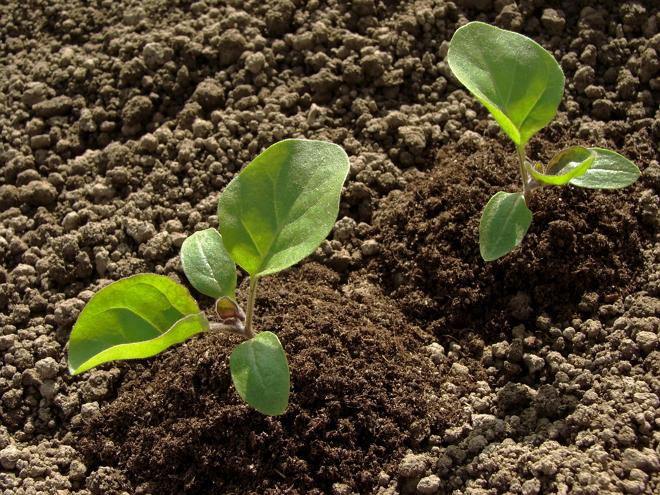
Don't plant the cucumbers too densely: 5-6 per square meter is sufficient. Another important point: when transplanting the seedlings directly into the soil, don't press down too hard on the root collar, otherwise it will break, which would destroy the plant.
Greenhouse care
Watering seedlings daily is definitely not necessary. Misting the soil once every 10-12 days is sufficient. Pay particular attention to the quality of the water. First, it should be at room temperature and, second, it should be well-settled. It's best to filter the water, but if that's not possible, at least pour it into containers and let it sit for a few days to allow the water to settle. 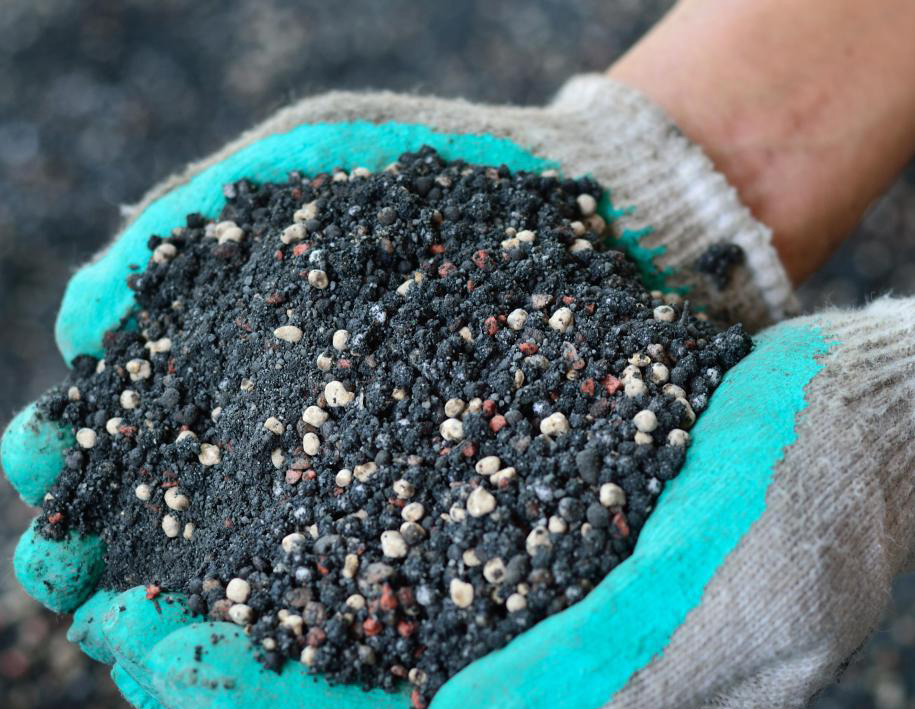
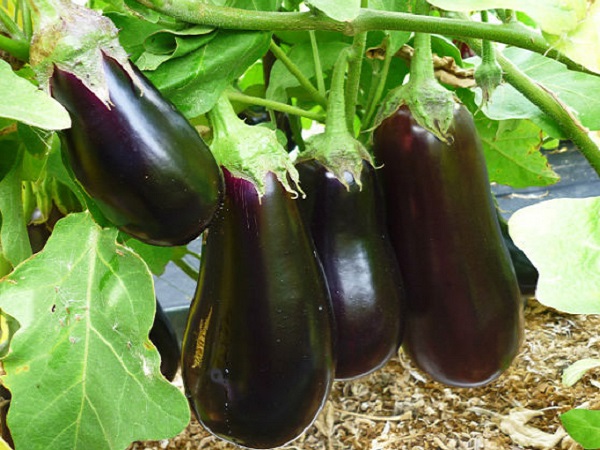
Regarding the volume and frequency of fertilizing, applying fertilizer to the soil approximately 3-4 times per season is sufficient. Furthermore, you don't necessarily need to prepare your own fertilizer. The best option is to purchase a complete fertilizer mix from a specialist store. Also, remember that it's recommended to tie up mature eggplant bushes as soon as possible, as their stems are not very strong. By following the basic principles of caring for this crop, you'll reap a bountiful harvest.
Harvesting
If the first autumn frosts are approaching and you still haven't harvested your eggplants, hurry, otherwise the quality of the fruit will be noticeably compromised. It's recommended to pick the fruit about every five days, but try to pick eggplants that aren't fully ripe, otherwise they'll be too tight.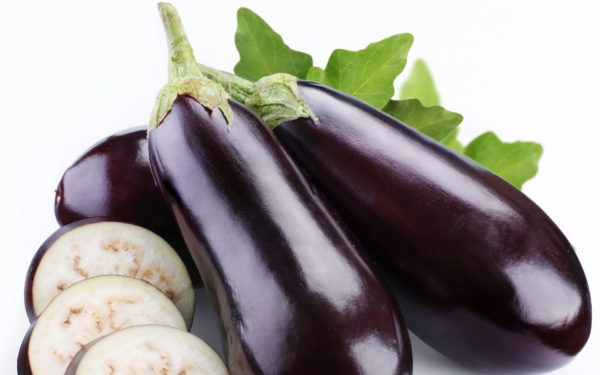
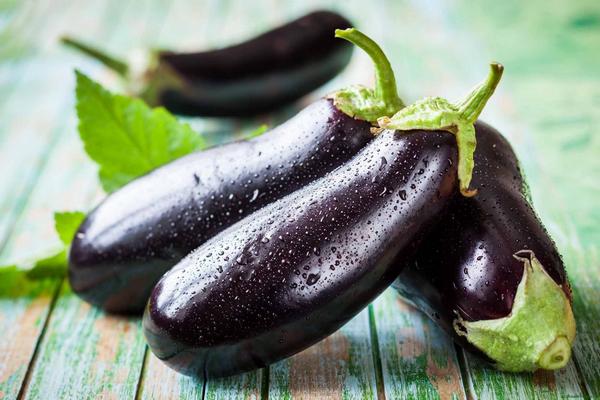
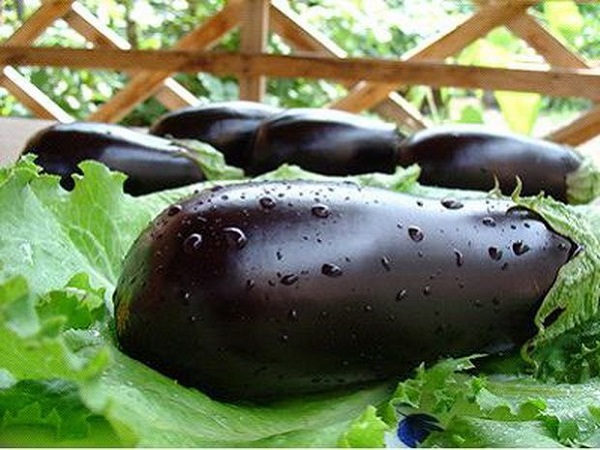
How can you tell if the fruit is truly ripe and ready to be picked? To do this, inspect it carefully: the skin should have a characteristic glossy sheen. If so, it's near the end of its ripening period. With proper care, greenhouse eggplants can yield a bountiful harvest, and it's worth the effort. Some brave souls prefer to plant eggplants outdoors, but why risk it when you can successfully grow them in a greenhouse? Only by devoting time and effort to growing eggplant seedlings will you ensure you enjoy the fruits of this nutritious crop.
Video: Growing Eggplants
From the video you will learn how to grow eggplants.