
Secrets of Growing Eggplants in the Urals: Proven Methods
Content
Selecting a variety and preparing the soil
The difficulty in choosing and growing eggplant varieties in the Urals lies in the region's climate. Summers are very short, and the weather is always changeable, leading to sudden cold snaps during the peak season. Therefore, growing eggplants for the Urals in a home greenhouse is a much more cost-effective solution. If we were to compile a list of the most favorable eggplant varieties that can be grown in northern Russia, we would include:
- "Dwarf Early-921"
- "Dnistrovets";
- "Delicatessen Gribovsky-752";
- "Donetsk Harvest";
- "Rotunda".
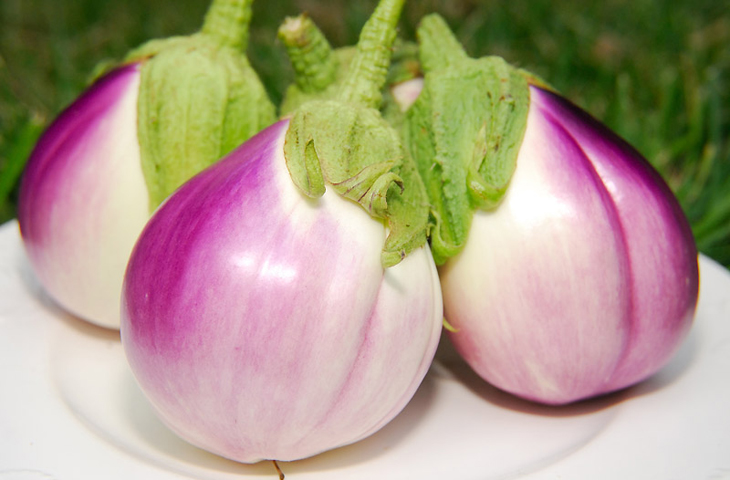
What should you pay attention to when selecting and purchasing eggplant seeds? First and foremost, a farmer evaluates yield characteristics, as we all want to ensure the money and effort spent are worthwhile. Next, consider the vegetable's flavor: each variety has its own distinctive character; some may have a bitter taste, while others are naturally bitter.
Avoid buying seeds from untrusted sources, spontaneous markets, etc. It's better to go to a specialized store where employees are responsible for the quality of the seeds. Don't forget to check the expiration date on the seed packaging. It's also important to carefully consider the choice of substrate.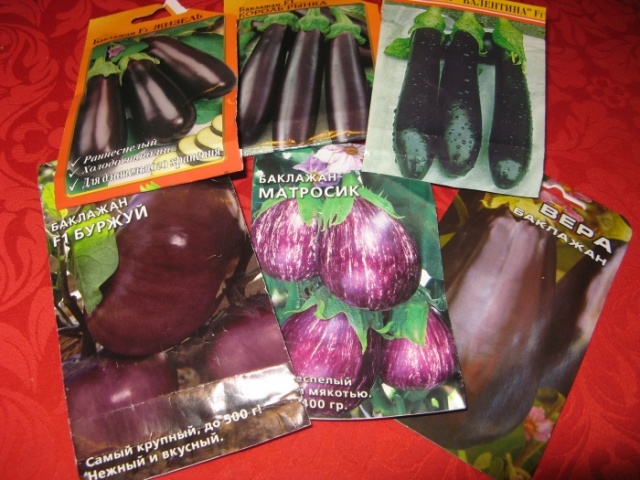
Some gardeners prefer to save money by mixing all the necessary ingredients themselves. However, a much better solution is to buy potting soil from a store. It's highly fertile, moderately acidic, and permeable to water and air. Considering you'll be working with seedlings in a region that's not particularly favorable for this, it's best not to skimp on potting soil.
Video: "Sowing Seeds for Seedlings"
This video will show you how to properly sow seeds for seedlings.
Growing seedlings
Growing eggplants in the Urals is entirely possible, but you'll have to put in some effort to achieve optimal results. Typically, you can sow seeds for seedlings as early as late February or early March. However, the seedlings must be prepared for this process. Some farmers prefer to wrap the seeds in a damp cloth for a few days to encourage germination. However, this is optional. As for mandatory measures, soaking the seeds in a potassium permanganate solution is one. This is done to protect the future seedlings from various diseases.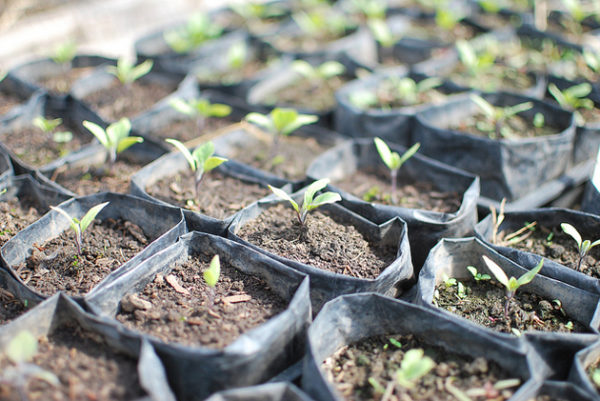
Gardeners often prefer to sow eggplant seeds in a single large container or box. But keep in mind: the seedlings will later need to be "transplanted" into open ground. The root system of eggplant seedlings is very fragile, so damaging it is easy. To avoid losing several seedlings during subsequent transplanting, it is necessary to immediately distribute the seedlings into separate small containers. These can be miniature flower pots, cups, plastic bottle scraps, or special trays with individual cells.
Caring for seedlings
Once the best eggplant varieties you've selected for growing in your garden have been planted and the seedlings are actively developing, it's important to provide them with proper care. This isn't an easy task, but a properly executed process will greatly determine your future results. Here are some recommendations for both beginner and experienced gardeners:
- Avoid placing containers with seedlings in a cool place, such as a windowsill. Moreover, farmers sometimes forget that plants should only be watered with warm, settled water.
- In the first days after the first shoots emerge, it's important to create an optimal microclimate for the seedlings. This includes a relatively high temperature (18-20 degrees Celsius) and moderate humidity. Don't forget to ventilate the room where the eggplant seedlings are growing.
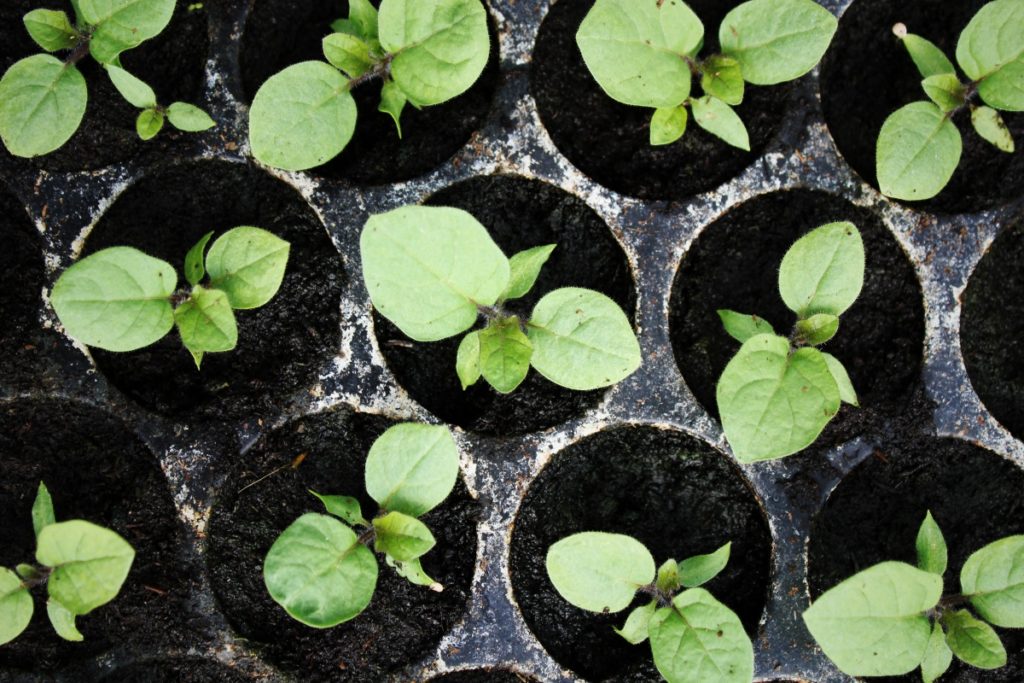
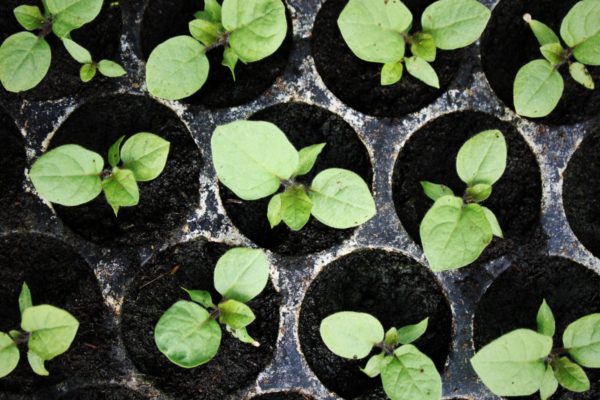
As for watering, it shouldn't be done too frequently, otherwise, excess moisture can lead to the death of the plant. Misting the soil once every three days is sufficient. Another important consideration is lighting. Eggplant seedlings require 12 hours of full sunlight daily. If this isn't possible naturally, use table lamps or overhead lighting to provide additional light.
Planting seedlings in a permanent location
Growing eggplants in the Urals requires meticulous care. Most gardeners choose greenhouses. If planting seedlings in a dedicated space isn't possible, you can build a small greenhouse yourself in your garden or allotment. To do this, drive stakes into the ground and then cover the entire area with strong plastic. While planting the seedlings, try adding compost to the holes; as it begins to break down, the soil temperature will rise, which will benefit the plants.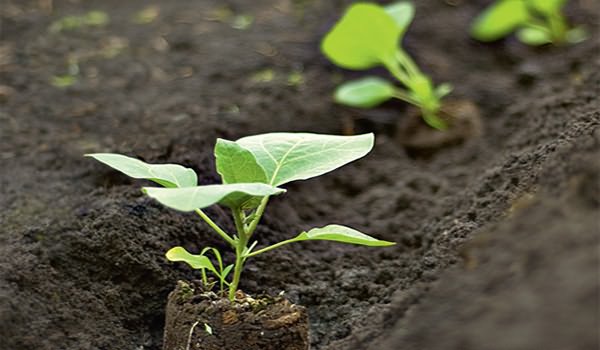
How to plant eggplant seedlings correctly? First of all, maintain a certain distance between holes – 40 cm – and between rows – 50 cm. Try to plant the seedlings deep enough to reach the first leaves. After planting, water the seedlings thoroughly. How should you care for the seedlings? The main thing is to follow the basic recommendations of experts: regularly loosen the top layer of soil, water the plants, and protect them from freezing. Even in late spring, frosts can sometimes occur at night, so it's recommended to cover the seedlings with transparent film at night.
Care, feeding, watering
How to grow eggplants correctly and ultimately reap a truly bountiful harvest? The key is to strictly follow the plan. Don't expect any significant results immediately after planting the seedlings in their permanent location.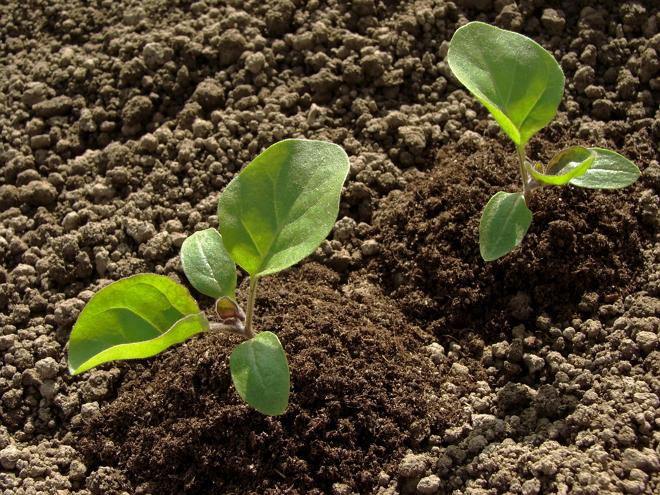
During the first two weeks, the sprouts show virtually no development. They've experienced significant stress, so give them time to fully adapt to the new growing conditions. Furthermore, the microclimate in a garden is significantly different from that of a greenhouse.
For those looking to ensure vigorous growth of eggplant seedlings in the Urals, consider the following recommendations:
- it is necessary to loosen the soil regularly;
- the top layer of soil must not dry out, it must be moistened frequently;
- Pay attention to plant nutrition. It's best to divide this process into three stages: 10 days after planting the seedlings in open ground, three weeks later, and also when the fruit begins to form on the green shoots. What fertilizers are best for this crop? Organic or mineral fertilizers can be used. You can mix them yourself or purchase ready-made mixtures at the store.
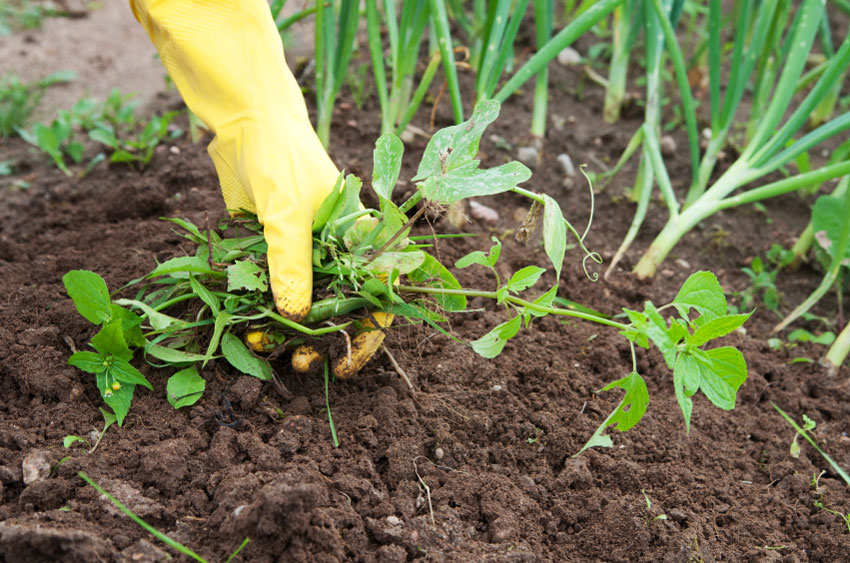
- Regularly clear the soil of weeds, which not only clog the soil but also contribute to the spread of insects and other pests.
Planting seedlings exclusively in the southern region is no longer necessary. A good harvest can also be reaped in the northern regions of the country, for example, in the Urals. The main thing is to approach this process seriously and provide all the necessary conditions for eggplant growth in your garden.
Harvesting
Many farmers want to harvest their own eggplant seeds after harvesting them to use for seedlings next season. This is possible. Select a few of the largest eggplants in the garden and leave them in a warm place for 5-10 days, perhaps by a windowsill. This will yield new seed.
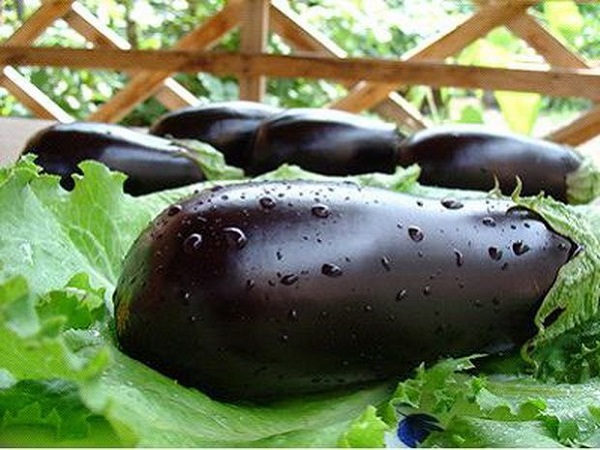
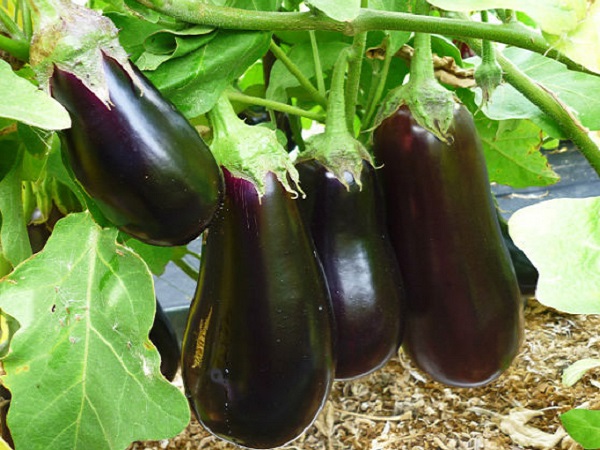
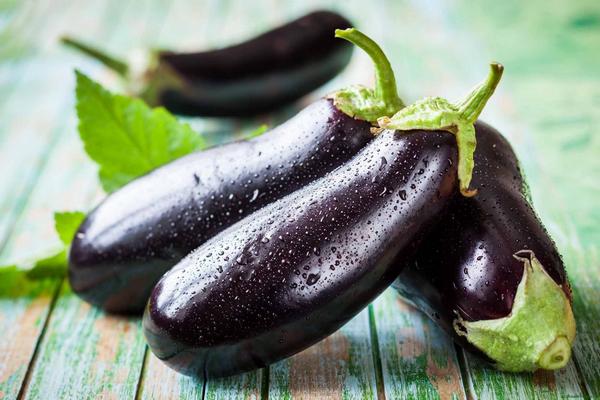
Eggplants themselves can't always be stored in cellars for long. It's better to preserve them or use them in cooking. The key is knowing when to plant seeds to grow seedlings and how to carry out all stages of plant care efficiently and affordably.
Video: "Features of Growing Eggplants"
This video will show you how to grow eggplants properly.