
Growing eggplants from seeds at home
Content
Selection and preparation of seeds
The shelf life (germination) of eggplant seeds is limited to five years, but the best germination rate is observed in two-year-old seeds. Vegetable growers must decide for themselves which eggplant seeds are best. It is advisable to purchase seed from specialized stores. Nurseries or seed centers usually offer seeds that do not require preparation for planting. It is advisable to choose regionalized varieties. If hybrids, choose only first-generation ones.
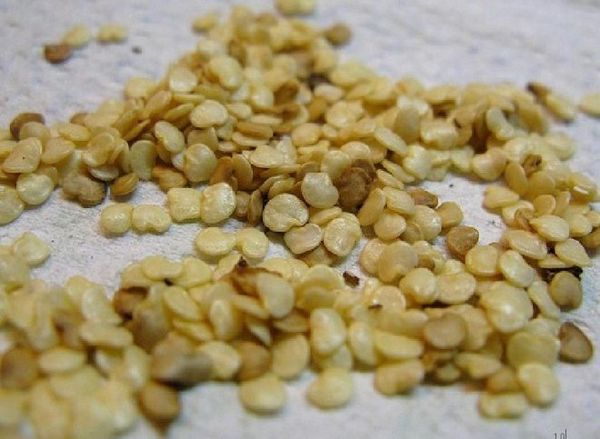
To determine the required amount of seed, test its germination rate. Take 10 seeds, soak them in warm water for 24 hours, place them on a soft cloth, and keep it moist for a week. During this time, sprouts will emerge. A germination rate of over 50% is considered acceptable. If the seeds were obtained from your own harvest, you will need to prepare them for sowing. Reawaken the seeds after storage by immersing the gauze bag containing the seeds in hot water for 3-5 minutes.
Before planting seeds in the soil, they need to be prepared. This includes hardening, disinfecting, treating with a growth stimulant, and enriching them with minerals. There are several ways to harden seeds. Most often, they are kept in a warm room during the day for a week before planting, and on the bottom shelf of the refrigerator at night. Hardening is important to prevent temperature changes from damaging the future seedlings. Before hardening, soak them for 25-30 minutes in a pink solution of potassium permanganate or some other fungicide to disinfect them.
To accelerate growth and increase future yields, seeds are soaked in a solution of Epin or Zircon for 10–12 hours, after which they are dried until they become free-flowing.
Soil and container
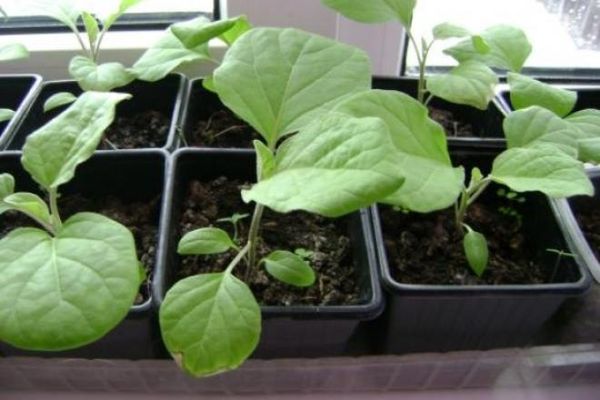
The soil should be light, nutritious, neutral or slightly acidic, moisture-retentive, and allow air to reach the roots. Eggplant seeds are small, so the soil should be finely grained. A mixture can be created by mixing turf soil with humus or compost, adding high-moor peat, sand, sawdust, and wood ash. To disinfect, bake the mixture in the oven or pour boiling water over it. Mineral fertilizers can be added. For example, 30 g of superphosphate, 20 g of urea, and 15 g of potassium sulfate are sufficient for 10 liters of soil.
Eggplants are known for their reluctance to be transplanted, so the best option is to plant them directly in a large container, preferably peat, so the roots don't have to be disturbed. Seedlings are grown in trays, cups, or pots at least 6 cm in diameter. However, gardeners are usually short on space, so they are grown in 8-10 cm deep boxes filled 2/3 with soil, from which the plants are later transplanted into individual containers.
Necessary conditions
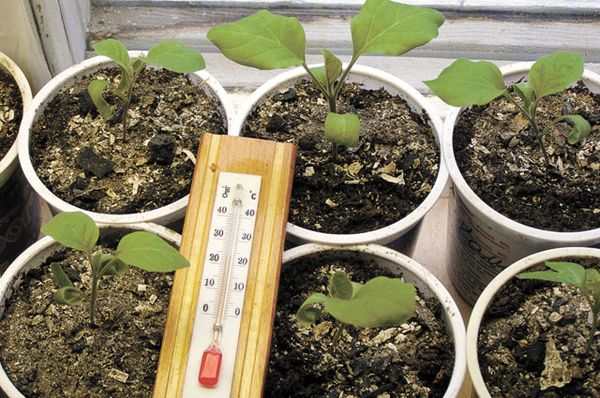
Eggplant seedlings are grown in a warm, well-lit, and moist environment. Seeds germinate at temperatures between 25°C and 28°C; no light is required at this stage. After sprouting, the temperature is lowered to 18°C to 20°C for 10–12 days to allow the root system to develop. Then, maintain daytime temperatures between 22°C and 26°C, and nighttime temperatures between 18°C and 20°C.
The technology for growing strong seedlings requires a daylight period of 10-12 hours; if you sow eggplants in February-March, you won’t be able to grow them without additional lighting.
Eggplants don't require humid air, but seedlings thrive in moist soil. Frequent watering isn't necessary, but the soil shouldn't dry out. The room should be well-ventilated, but avoid drafts.
Planting and care
If you prepare well for sowing and use the correct agricultural techniques, then it is not at all difficult to get healthy seedlings.
Timing and sowing
Plants can be planted in the garden bed when the soil warms up to 18°C. In the south, this occurs in May, and in the temperate zone a month later. Early varieties are planted 45–55 days after emergence, mid-season varieties 55–65 days, and late varieties 70–80 days.
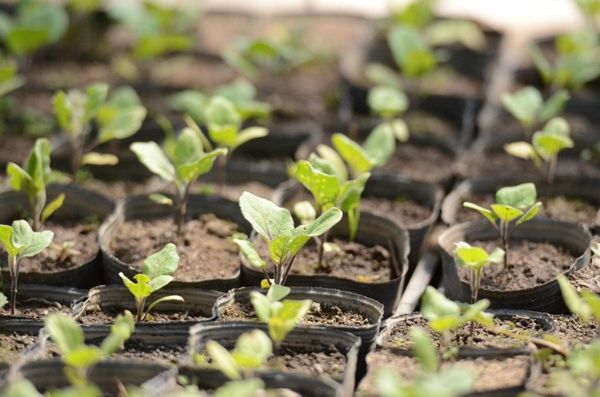
Sprouts emerge 10–15 days after sowing. This allows you to determine the sowing time for each region. Typically, sowing occurs from late February to late March. Early varieties ripen 85–95 days after emergence, while late varieties ripen 150 days later. The choice of variety depends on the length of the summer.
Seeds are sown in trays in rows, 5 cm apart, to a depth of 1.5 cm in prepared soil. It's best to plant two seeds in separate cups or pots, then pinch off the weakest seedlings, especially since only one may sprout.
Cover the container with plastic wrap or glass and place it in a warm place. Once half of the seeds have sprouted, remove the plastic wrap, expose the container to light, and lower the temperature.
Dive
Pricking out, or pinching the main root, is more likely to damage eggplants, although some gardeners prefer to trim the roots. Damaging the root can kill the plant; at best, it simply weakens it and delays its development for 1-2 weeks. Pricking out most often refers to transplanting the plant into individual pots 13-15 cm in diameter. This is done after 2-3 leaves have emerged. Water the plant generously for a day or two, then carefully remove it with a spatula along with the root ball, transfer it to the same soil, and plant it deep down to the cotyledons.
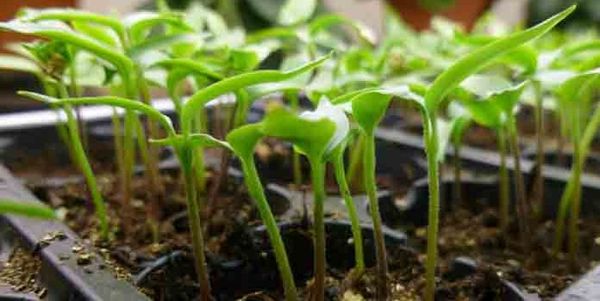
After transplanting, the air temperature is slightly increased (to +26 °C) to facilitate adaptation to the new conditions, and after a week it is lowered again to prevent the seedlings from stretching excessively.
Watering and fertilizing
Water the seedlings with warm, settled water as needed. After watering, loosen the soil to a depth of 1–1.5 cm and mulch with dry sand or sawdust. This is best done in the morning. Overwatering can lead to blackleg. You can sprinkle ash on the soil, avoiding the leaves and stems – this will both nourish and prevent disease.
It's recommended to add antifungal agents to the water every two weeks. Two weeks after repotting, the plants are usually fed with a solution of urea and superphosphate (10 and 30 g, respectively, per 10 liters of water). One and a half weeks before planting, the bushes can be fertilized with Kemira Universal fertilizer.
Pest control
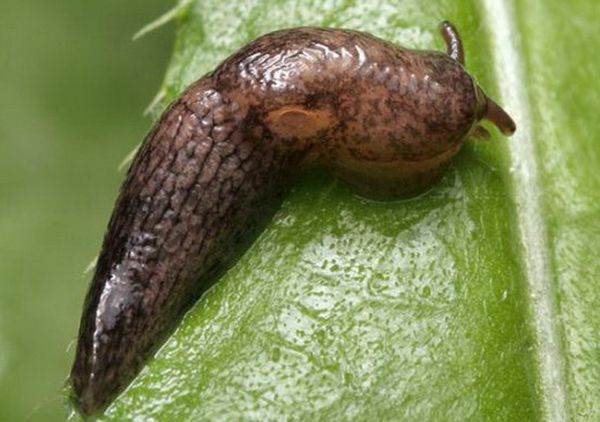
Under normal indoor conditions, pests rarely appear on seedlings if they are well cared for. If aphids or whiteflies appear, the plants should be treated with a bioinsecticide.
Planting in the ground
Eggplants from seeds can be grown indoors until buds or even flowers appear (they don't need pollination to set fruit). When planted in the ground, the plants should have 8 to 12 leaves. They need to be hardened off before being transplanted to the garden. Two weeks before planting, the seedlings are briefly placed in cooler conditions, then moved outside, gradually acclimating them not only to fresh air but also to sunlight.
The bed is prepared in the fall, taking into account the eggplant's compatibility with other crops. Potatoes, peppers, and tomatoes are not recommended for close proximity (they are also poor precursors).
Typically, holes are prepared for planting, leaving 30 cm between holes and 60 cm between rows. They are dug a few centimeters deeper than the pot and watered thoroughly. You can prepare a solution of 10 liters of water and 300–400 grams of slurry, pouring 1–1.5 liters into each hole. Place the plants into this liquid soil, along with the root ball from the pot, cover with soil, compact lightly, and mulch with peat, sand, or dry soil. Mulch will help retain moisture. For the first couple of weeks, keep the soil moist.
Video: "Features of Growing Eggplants"
This video will teach you how to grow eggplants, eggplant seedlings, and care for the plant.