
Eggplant variety Vera: characteristics of the variety, cultivation and care
Content
Description
In the Urals, the Far East, and Western Siberia, this variety is recommended for open-field cultivation, and it is grown in summer and winter greenhouses. This early-ripening variety, with its fruits harvested 100–110 days after germination, is distinguished by its cold resistance, something that delicate, heat-loving eggplants rarely boast.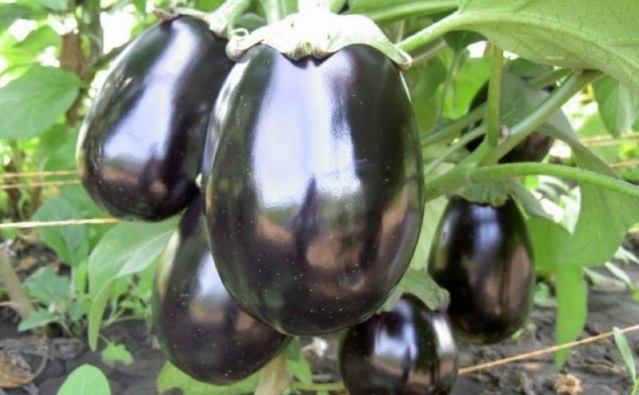
The bush grows to 60-80 cm in height, with dark green leaves with a subtle purple tint, sturdy stems, and beautiful blue flowers. The calyx has a few spines, leading vegetable growers to call these eggplants "prickly."
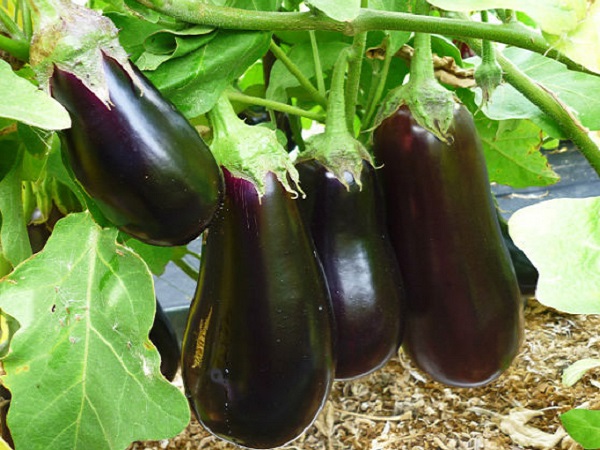
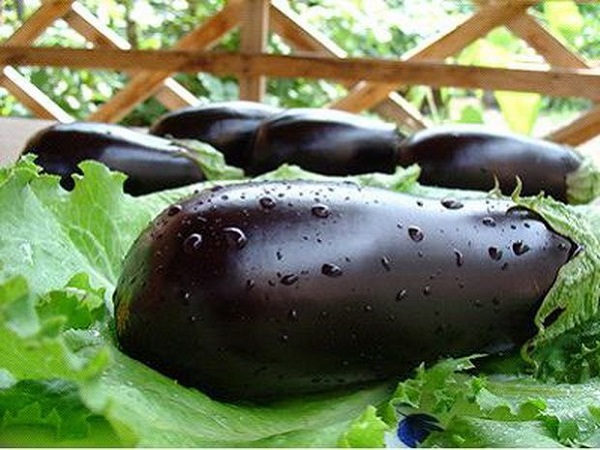
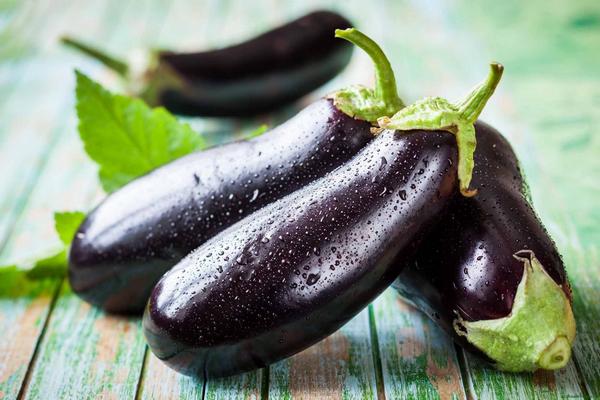
The fruits are cylindrical, with a thin, glossy, dark purple skin that conceals light-colored flesh. They grow up to 20 cm long and weigh between 125 and 200 g, with rare specimens reaching 300 g.
Each bush yields a limited amount of fruit; the average yield is only about 1 kg, although there have been cases of yields of up to 3 kg from a single bush. However, the fruits are very tasty, free of bitterness, store well, and are suitable for any dish or winter preserves.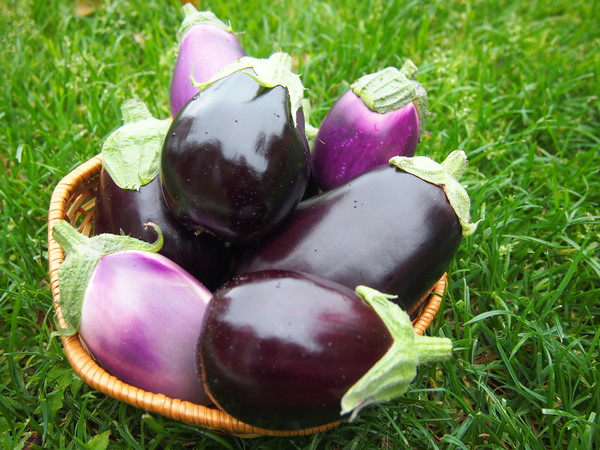
This early-ripening variety, resistant to cold and temperature fluctuations, resistant to rot, and with a stable yield, is sure to be of interest to those who prefer to feed their families with vegetables from their own garden.
Video "Characteristics of the Vera variety"
From the video you will learn about the characteristics of this eggplant variety.
Landing
If summer in your region lasts until August, you can easily sow seeds directly into the garden in May, cover them with plastic, and skip the hassle of growing seedlings. If you have a plastic greenhouse, you can do the same. However, if warmth only lasts for 1.5 to 2 months, you can grow your own eggplants from the garden using seedlings, especially since this method is also popular among residents of southern regions. This method is chosen by people who are new to their dachas during the warmer months and don't have a garden near their home.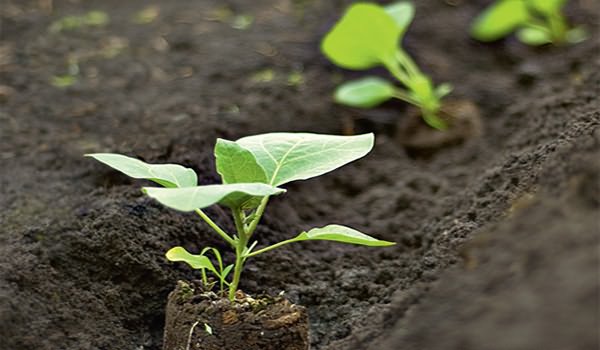
Knowing that the harvest will ripen in 100-110 days, assuming warm weather and a long summer, it's easy to calculate the timing of eggplant sowing. Before sowing, the seeds should be disinfected with a potassium permanganate solution and hardened by alternately placing them in warm and cold conditions. Then, they are soaked in a solution of aloe vera juice or some other growth stimulant. To speed up germination, they are soaked in warm water until they begin to peck or even sprout. This accelerates the growth process and makes the plants strong and disease-resistant. Some producers prepare the seeds themselves; their seeds are sold coated with nutrients, called pelleted seeds.
Prepared seeds are planted in well-moistened, loose, nutritious soil. They germinate in 5 to 25 days (depending on the degree of preparation). The air temperature should not drop below 25 degrees Celsius (77 degrees Fahrenheit), then the temperature is lowered for a week for the seedlings. The seedlings should grow in a warm, well-lit room, kept moist and fertilized as needed. Eggplants do not like being transplanted; their delicate roots are damaged and take a long time to acclimate to a new location, so do not transplant the seedlings unless absolutely necessary.
Plants are usually planted in the garden or greenhouse after they have 8-12 leaves, which can be done when they are 55-75 days old. "Vera" bushes are quite compact, but they should still be planted carefully. It is recommended to leave 35-40 cm between plants and 60-70 cm between rows. The prepared bed, fertilized with organic and mineral fertilizers, is loosened a couple of days before planting. Dig holes 10 cm deep, fill them with 2 liters of warm, settled water, and then place the plants in this slurry, along with the root ball or peat cup they were growing in. Cover the plants with soil up to the leaves and press it down lightly. It is a good idea to mulch the plantings and leave them undisturbed for up to 10 days.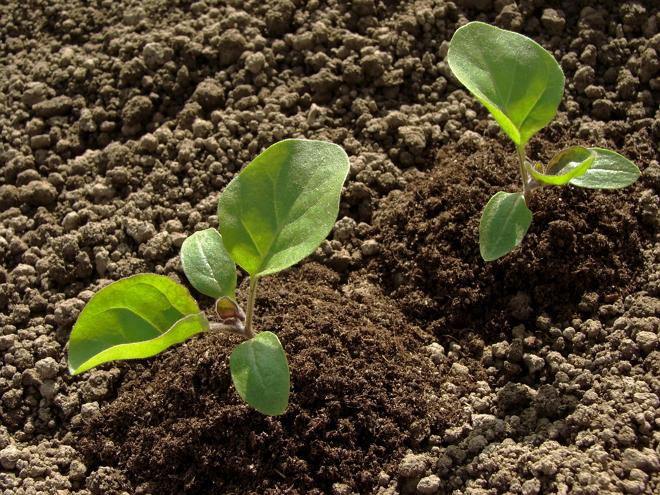
Growing and caring for them in a greenhouse has several nuances worth considering. Eggplants don't like being near other plants, except tomatoes. When ventilating the greenhouse, avoid drafts. The plants grow taller than in a garden bed, but the harvest can be richer.
Top dressing
Caring for eggplants means watering them, weeding, loosening the soil around them, protecting them from cold and drafts, controlling pests, and fertilizing them as needed. It's generally recommended to fertilize them 3-5 times during the growing season. First, phosphorus is added for root growth (during the seedling stage), then nitrogen for foliage growth, and then ensuring sufficient phosphorus, potassium, calcium, boron, and manganese. These are the essential elements that help eggplants grow, bloom, and produce a good harvest.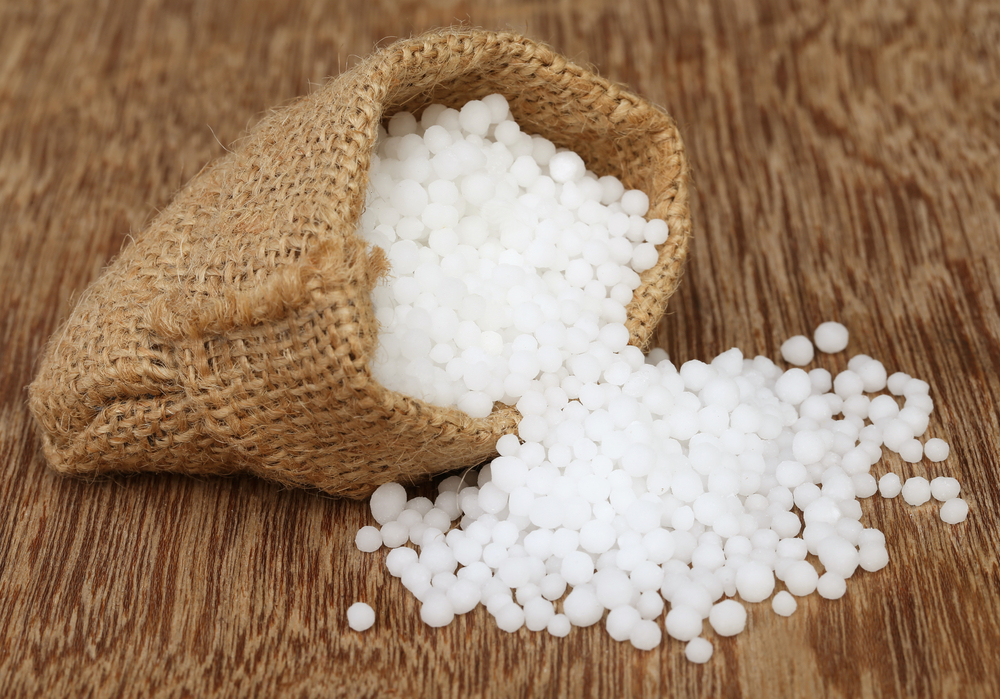
If the soil is nutritious, don't overdo it, as this can cause the plant to become overfed, which can lead to fruiting or the accumulation of unwanted components. Plants themselves will tell you what they need. A lack of nitrogen will result in slow growth, pale, and wilted leaves. If there's not enough phosphorus, the leaves will take on a purple-blue tint.
A potassium deficiency causes leaves to turn yellow and dry out. Calcium deficiency causes bud drop and the appearance of white leaf edges. Without sufficient boron, flowers fall off and fail to pollinate. Low magnesium and manganese levels are indicated by pale veins and unusual yellowing of leaves.
Eggplants benefit from fertilizing with herbal mash, a mullein infusion, or chicken manure, along with superphosphate, potassium sulfate, urea, and wood ash. Water after each application.
Bush formation
Vera bushes grow tall but fairly compact. To encourage more branching, they can be pinched at a height of 40-50 cm. Leaves growing below the first fork of the stem are removed; side shoots are usually not a nuisance, but the bush should not be allowed to become too dense. Any leaves and twigs growing inward or shading other branches should be removed.
Collection and storage
The fruits are harvested at the technical stage of ripeness, while they are firm and the seeds are not felt. They keep for up to 30 days, are easy to transport, and are suitable for any dish.
Video: Growing Eggplants
This video will show you how to grow eggplants to get a good harvest.