
Eggplant variety Almaz: characteristics, planting and care
Content
Description
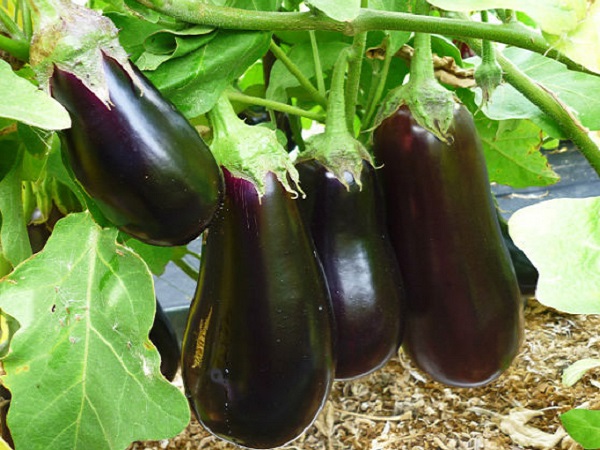
The Almaz eggplant variety is considered a tried-and-true vegetable, proven by the experience of many gardeners and time. This variety can be planted in warm climates in unprotected soil; in colder climates, it is usually grown in a greenhouse or hothouse. The plant is quite tall, reaching 0.6 meters. However, the vegetables themselves grow at the base of the stem, rising 0.3 meters above the ground. The leaf cups are thornless, preventing cuts to the hands during harvesting.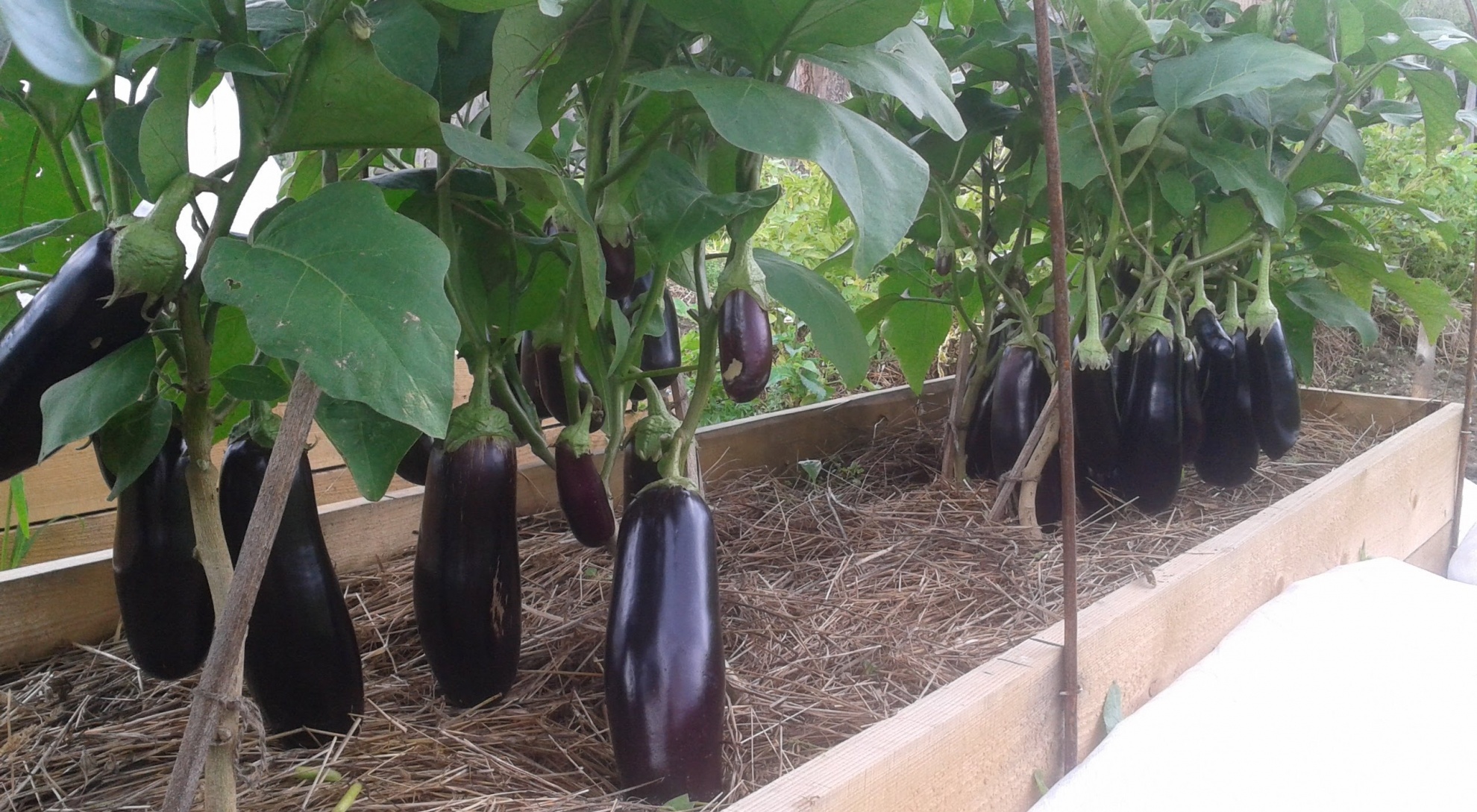
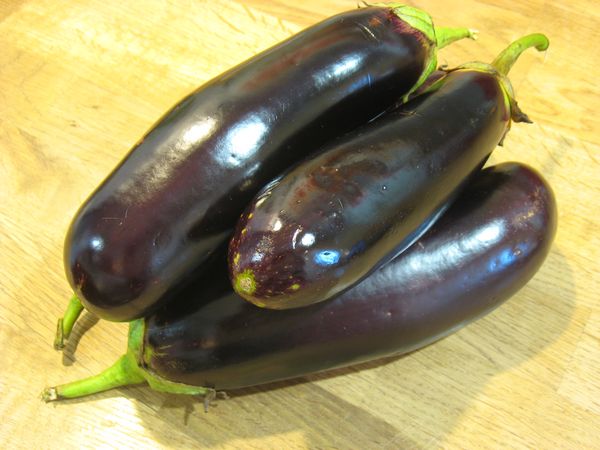
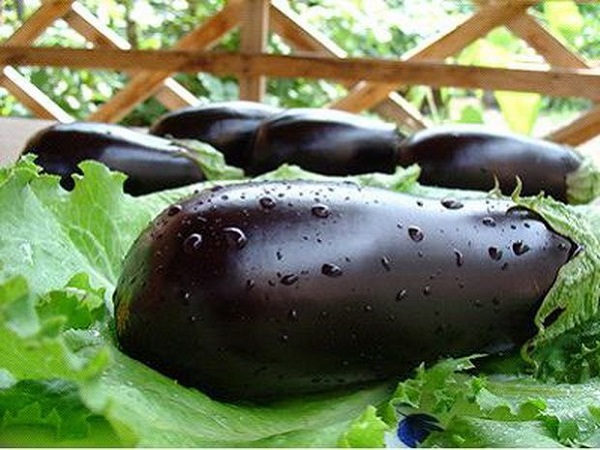
One of the variety's significant advantages is its high yield. On average, up to 8 kilograms of ripe fruit can be harvested per unit area. These vegetables are cylindrical in shape, up to 0.18 meters long and with an average diameter of 0.06 meters. An average eggplant weighs 0.13–0.14 kilograms. Ripeness can be determined by its characteristic purple color. The flesh is greenish, quite firm, and not at all bitter.
Besides its yield, a major advantage of this vegetable is its resistance to pest attacks. Another advantage of the plant is the pleasant taste of its fruits. The variety exhibits high resistance to stolbur (phytoplasmosis) and viral mosaic. Fungal diseases affect the crop in one out of two cases. The vegetable is susceptible to fusarium wilt, late blight, and blossom-end rot. Eggplants can be successfully transported over long distances. Almaz fruits are commonly used in cooking, making delicious appetizers, salads, and main courses. The fruits can be successfully preserved for the winter.
Video "Characteristics of the Almaz variety"
From the video you will learn about the features of this variety.
Sowing
There are several ways to grow this vegetable: using seedlings or without seedlings, in which the Almaz eggplant seeds are planted directly into the soil.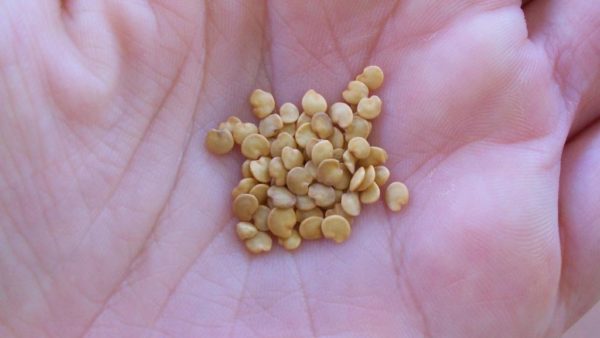
Growing young seedlings begins in late winter or early spring. For this purpose, the seeds are sown in pre-prepared containers or in individual bags or pots. This reduces the risk of damaging the roots when transplanting the young plants.
In separate containers, seedlings take root much faster, produce a larger harvest, and the fruits themselves ripen several weeks earlier than when young plants are grown in a common container.
The soil for planting should be well-loosened, rich in nutrients, and soft. A mixture of turf, sand, peat, and various fertilizers is ideal. The containers with seeds are thoroughly moistened, covered with plastic wrap, and placed in a warm location with a temperature of at least 25°C for 10 days. After the first shoots emerge, the ambient temperature should be reduced to 15°C. This simple procedure will help the plants develop strong roots. Every few weeks, the seedlings require a nutrient supplement. For this, young seedlings are usually watered with a urea solution (use no more than 0.02 kilograms of the substance per liter of liquid). After a couple of months, the seedlings will have strengthened significantly and are ready for transplanting to their permanent location.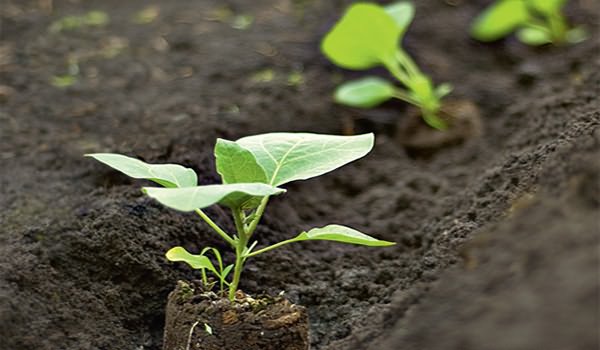
Seedlings with 4-5 leaves should be transplanted into open ground. Plant in a well-lit area. The soil where the young plants will grow should be generously fertilized with compost. Water the seedlings thoroughly before planting them in their new location. Maintain a distance of 0.6 meters between rows and 0.3-0.4 meters between holes. For transplanting to a greenhouse, young plants should be "older," having about 7 leaves. The planting pattern in this case is no different from transplanting plants into open ground.
Landing
As for the second method of growing vegetables, it's best to sow seeds that have been pre-soaked in water or already sprouted. The soil should be warm for this procedure, at least 15°C. The seeding density is 0.03–0.04 kilograms of seeds per 10 square meters.
Experienced gardeners plant radishes along with the crop, which are an excellent defender against weeds.
Mature seedlings need to be thinned out, leaving only the strongest and most mature individuals, maintaining a distance of 0.2 - 0.3 meters between them.
Care
Caring for this variety of vegetable is no different from caring for other varieties. After planting, water regularly (every three days). During drought, water more frequently. Weeding is very important for young plants, as it loosens the soil and removes weeds. The first fertilizer can be applied 20 days after planting. 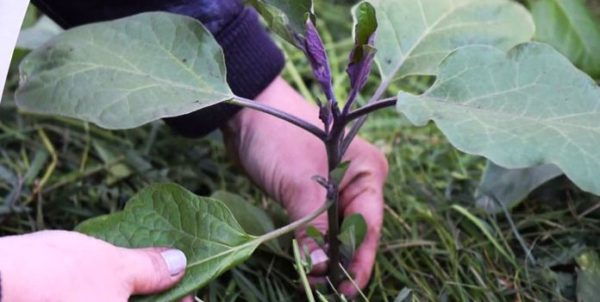 A urea solution is usually used as a fertilizer. The procedure is repeated a month later using the same solution with the addition of superphosphate. After the first fruits appear, the crop should be watered with a mullein solution.
Harvesting
As for harvesting, it should be done as the vegetable ripens. As soon as the fruits acquire their characteristic blue-purple color, they are ready to be picked. Eggplants typically don't pick all at once, but rather unevenly. As for harvesting techniques, don't pick ripe vegetables by hand. It's best to use garden tools, such as pruning shears, for this purpose. This is because eggplants typically produce fruit from the bottom of the bush, so careless picking can cause significant damage.
The Almaz variety is versatile and deservedly popular among gardeners. It is renowned for its many qualities. It also boasts excellent flavor and a firm texture.
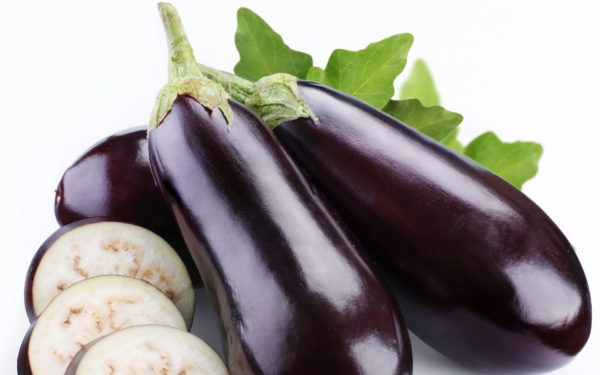
Moreover, the plant is easy to grow and produces abundant harvests. Its fruits can be used to prepare a variety of delicious dishes. Such culinary creations will be especially delicious if the vegetables are grown in your own garden.
Video: Growing Eggplants
From the video you will learn how to grow eggplants.