
What to plant eggplants next to: planting compatibility
Content
Greenhouse planting compatibility
Only those crops that require almost identical care can grow in one greenhouse.
It's essential to consider the compatibility of different plants grown in a greenhouse. In a confined space, even when placed in separate beds and at considerable distances, conflict between them is inevitable. "Quarrels" between different crops usually arise due to moisture and nutrients, which the plants attempt to "draw" toward themselves. Some vegetables secrete specific substances that can harm their neighbors.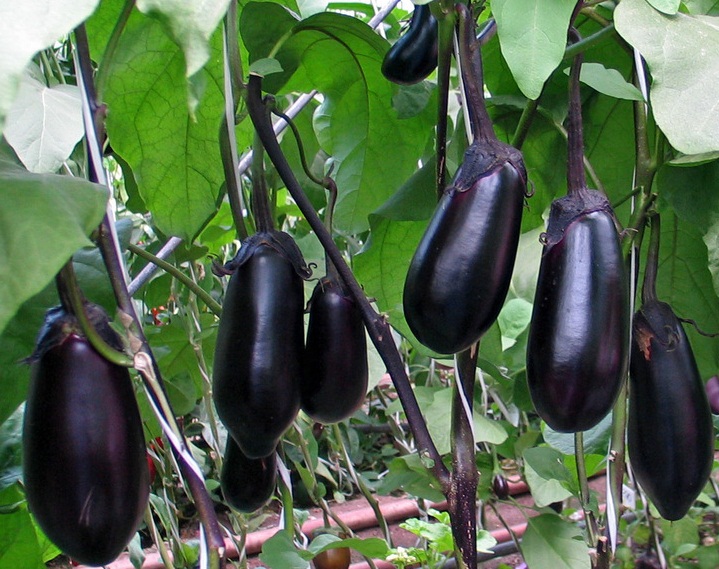
Greenhouses are being built en masse in garden plots these days, as their use justifies all the effort. The space not only protects early crops and vegetable nurseries, which will later thrive and bear fruit outdoors. With a greenhouse, harvesting can easily be done more than once, often throughout most of the year. For example, a greenhouse allows you to enjoy greenery and preserve the raspberry harvest, which is almost impossible to obtain outdoors due to early autumn frosts. A greenhouse is suitable for growing any vegetable, but the final choice of crop is up to the gardener.
It's recommended to plant radishes, dill, and onions in the spring to produce greens. After harvesting the greens, plant tomatoes, eggplants, peppers, or cucumbers in the same spot. Those who enjoy the sweet, aromatic fruits of the south can plant watermelons, melons, or grapes in protected soil. With careful consideration of compatibility, corn and legumes can be grown side by side, as they don't conflict with each other. However, caring for these crops will be complicated by the need for pollination, which requires a complex technique. In this case, gardeners are more likely to prefer their ornamental favorites.
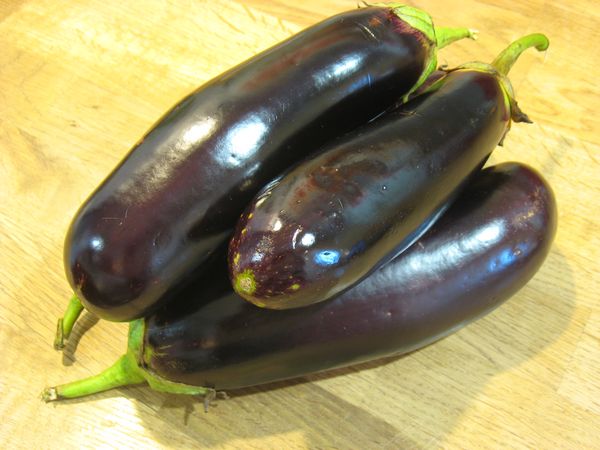
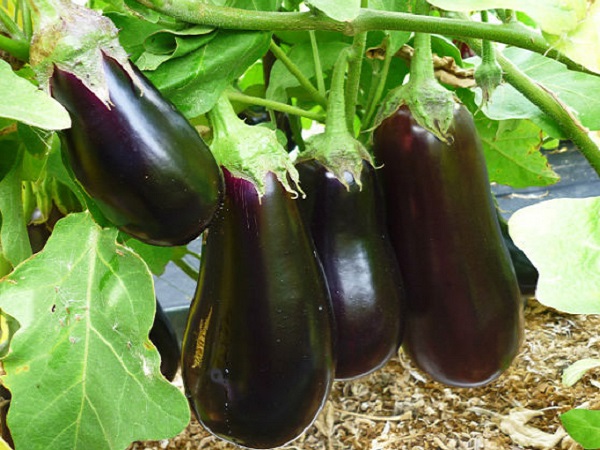
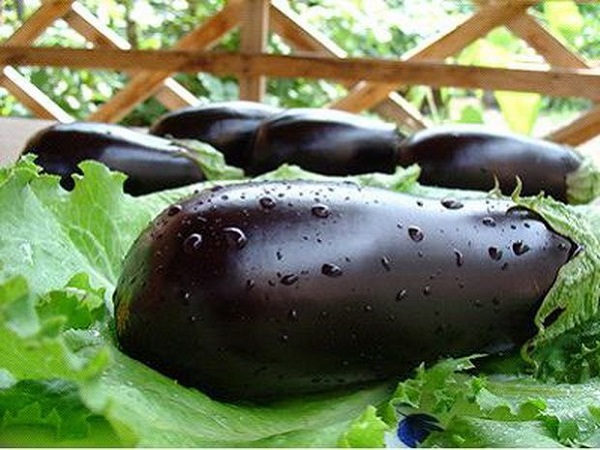
Experienced gardeners and greenhouse vegetable growing specialists advise paying close attention to the combination of plants in the greenhouse. Before creating a vegetable mix, it's worth experimenting with each plant, as growing in a greenhouse and in the open ground differs in several key ways. Vegetables grown in a greenhouse require more careful care and special attention. First, it's worth testing how productively you can combine different plants.
Video: "Greenhouse Planting Compatibility"
From the video you will learn what you can plant in a greenhouse along with eggplants.
What is possible?
What should I plant eggplants near in protected soil to ensure a rich harvest?
Peppers and eggplants thrive with both cucumbers and tomatoes. Therefore, there are several best vegetable combinations. In particular, combining tomatoes, peppers, greens, beans, peas, and melons yields excellent results. Cucumbers, peppers, eggplants, cabbage, zucchini, and beans also work well together. Tomatoes, early cabbage, herbs, and greens also combine well.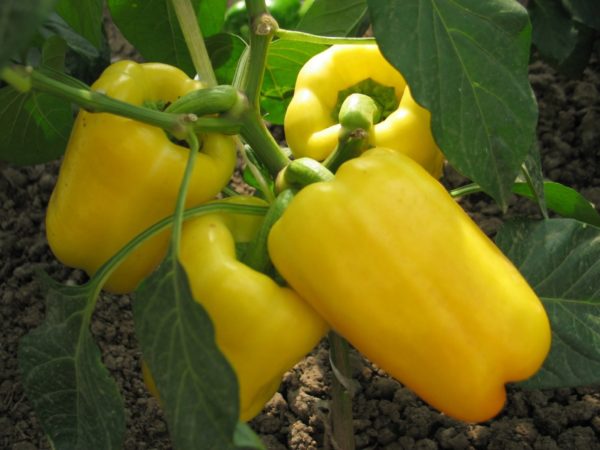
Regarding greens, a few clarifications are worth making. For example, onions can be successfully planted with most vegetables, except beans and peas. Beans themselves also exhibit negative compatibility with onions. This is despite the fact that onions generally have a predisposition to a wide variety of plants.
Often, a garden space is converted into a berry garden, where strawberries and wild strawberries are grown. In this case, it's important to know that berries can be planted near onions, garlic, and cucumbers. Cabbage can also grow alongside these crops, but it, to put it mildly, "dislikes" berries.
Zucchini is very undemanding when it comes to growing companions; it thrives in similar conditions to cucumbers, but it requires a large area and frequent ventilation. Peppers and eggplants grow well together, but blue peppers should not be planted near tomatoes. Peas are the only legumes that should be grown near tomatoes, as they benefit from the nutrients released by the tomatoes.
When properly combining crops in a greenhouse, it's important to pay attention to planting frequency. Crowding is never beneficial for plant development. 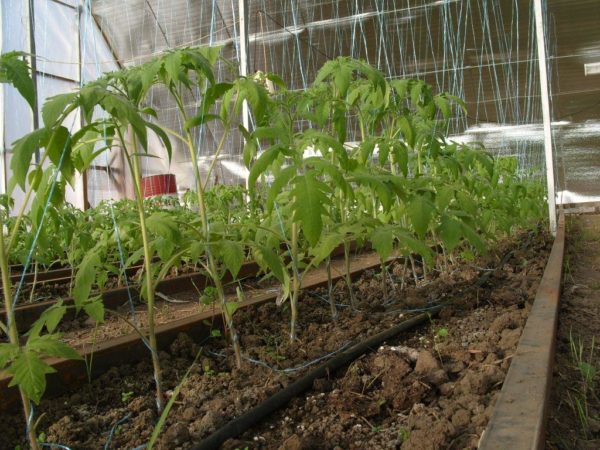 In unprotected soil, a bush can be trained with 3-4 stems, while in a greenhouse, the optimal number of branches is 2. However, for tall varieties, training the plant with a single main stem is appropriate. While peppers can be planted densely, eggplants require plenty of space. To prevent one plant from shading the other, it's important to tie up the plants in a timely manner.
If you don't follow the above recommendations, pests are likely to appear indoors, which will be difficult to get rid of. It's also important to maintain optimal humidity, as excessive humidity is very harmful to plants. Soil preparation is also important, as a greenhouse will prevent nutrients from entering the soil, as well as pollinating insects. Therefore, it's best to purchase seeds designed for greenhouse cultivation. Tomatoes, peppers, and eggplants are capable of self-pollination, but cucumbers generally cannot.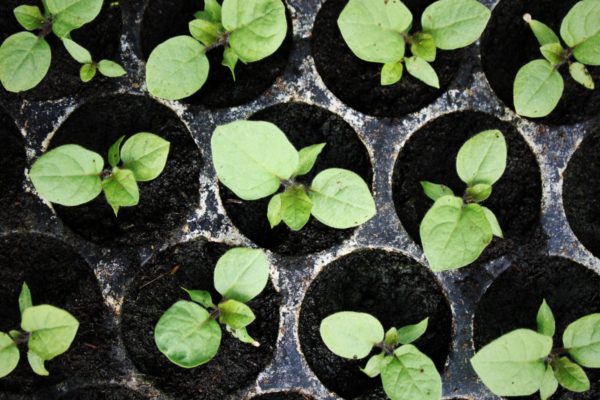
In areas with frequently changing weather, it's a good idea to provide heating in late spring or early summer. This is typically done when the seedlings have been planted and there isn't enough sun.
What is not allowed
Eggplants are quite fussy, so it's best not to plant any other plants near them. These crops can shade and crowd the vegetable. However, if space is limited, onions or melons can be planted nearby.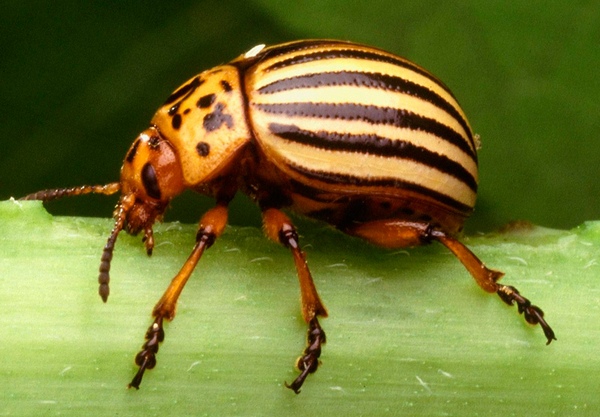
Tomatoes and eggplants grown in the same room should be spaced apart. This is because they are susceptible to the same diseases and pests. Furthermore, tomatoes tolerate drought well, while eggplants are very sensitive to moisture. The same applies to daylight hours. Tomatoes prefer ample light, while eggplants prefer shorter hours.
Potatoes are also not the best neighbors for blue potatoes. Both vegetables are a favorite food of the Colorado potato beetle. Planting them close together can result in no harvest at all.
Therefore, eggplant compatibility with other vegetables is especially important when grown in greenhouses. Some varieties can even secrete toxic substances specifically to kill their neighbors. Therefore, without taking into account plant conflicts, you can lose your entire harvest or even fail to see any fruit set.
Video: Growing Eggplants
From the video you will learn how to grow eggplants.