
Growing eggplant seedlings at home: step-by-step instructions
Content
Seeds
Growing eggplant seedlings at home begins with selecting seeds. It's best to buy seeds from regionalized, early-ripening varieties, which take about 100 days from germination to harvest, while late-ripening varieties take up to 150 days. When purchasing, it's important to check the packaging for integrity and the harvest date. Responsible producers typically indicate the quantity of seeds and the harvest date, rather than the expiration date. Seeds are considered good for up to 8 years, but best germination occurs between 2 and 4 years.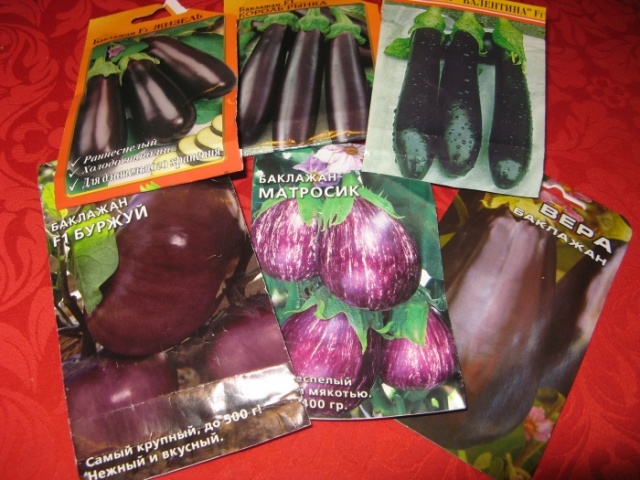
If you buy seeds in advance, you can test their germination rate, and if the results are unsatisfactory, try to find other seeds. To test, take 10-15 seeds, soak them in warm water for 24 hours, then place them on a cotton pad in a warm place for 4-5 days, keeping the pad wet at all times. If half of the seeds hatch or sprout, that's a good result.
To ensure strong seedlings, seeds are hardened and disinfected, and to promote early germination, the following procedures are performed: soaking and germination. All of this is pre-planting preparation of the seed. First, unsuitable seeds are discarded – when soaked in salt water for 3-5 minutes, they usually float. Those that have sunk are hardened off first, alternating conditions for several days: moving them from room temperature to the refrigerator for 8-12 hours, then back again. Some people perform a short warming with hot water (around 50 degrees Celsius) or placing them in an oven at the same temperature for 20-30 minutes.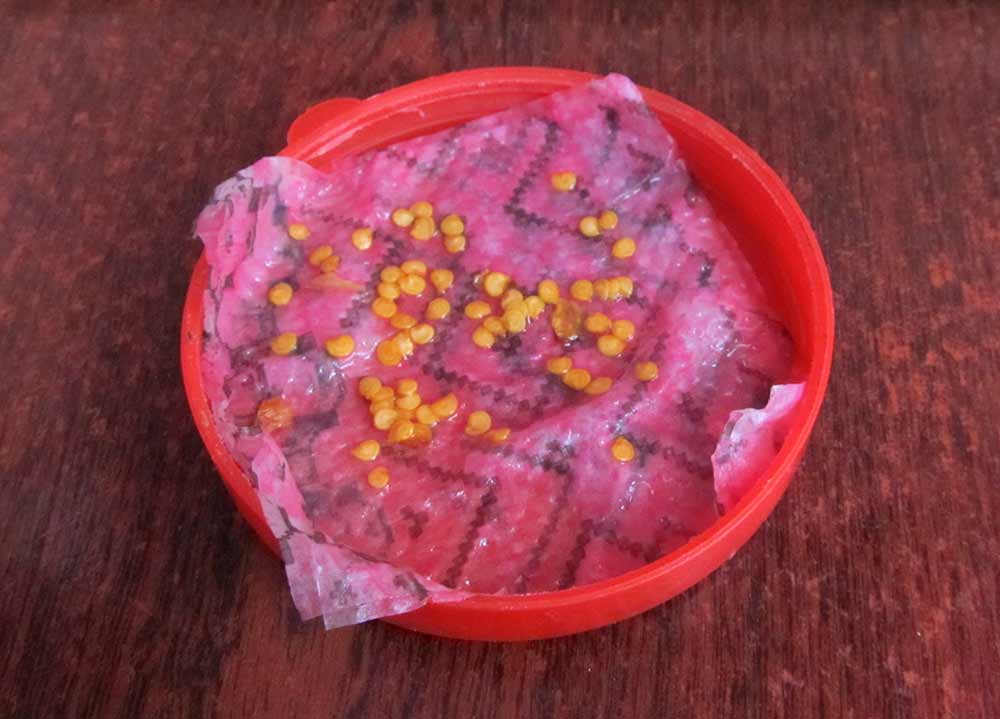
Seeds are disinfected using a saturated solution of potassium permanganate, in which they are placed for half an hour. Then rinse thoroughly and soak for a couple of hours in a solution of fertilizer, wood ash, aloe juice, or a store-bought root growth stimulator.
After this, the seeds are soaked to encourage germination or even germination. The seeds can be placed on a soft cloth, cotton pads, or a folded toilet paper towel. This pad is thoroughly moistened, wrapped in plastic, and left in a warm place (25 degrees Celsius). In 5-7 days, all the seeds will sprout, and most will produce tiny sprouts.
Video: "Sowing Seeds for Seedlings"
This video will show you how to properly sow seeds for seedlings.
Landing
It's best to plant eggplant seedlings using seeds with tiny sprouts, but you need to do this carefully, perhaps using tweezers, so as not to damage these sprouts.
The soil should be loose, nutritious, and non-acidic. You can buy it at the store or make your own by using leaf mold garden soil and adding peat, humus, compost, and river sand. To increase fertility, you can add superphosphate, potassium sulfate, and urea (1 teaspoon per 10 liters of soil, to avoid overdoing it). If you're using soil from the garden, it's important to choose a soil that's not previously used for nightshade crops. Before use, the soil should also be disinfected, which can be done by freezing or heating it in the oven. It's also advisable to water it with a hot solution of potassium permanganate just before planting.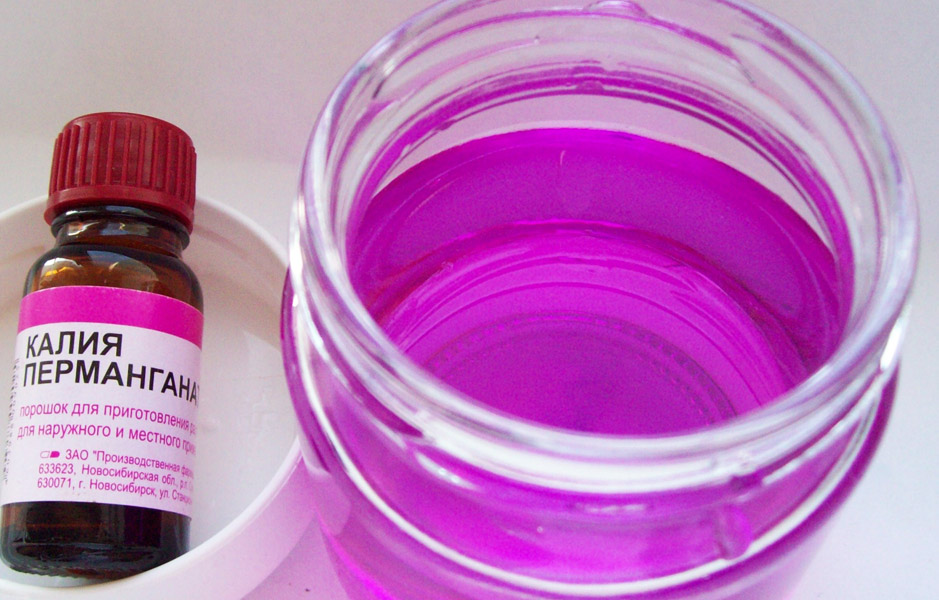
Eggplant seedlings can be sown in any container—wood, ceramic, plastic, or peat cups. The soil should be 7-8 cm thick. Moisten it, make a hole no more than 1.5-2 cm deep for a couple of seeds, or, in larger containers, make furrows of the same depth. Place the seeds at least 4 cm apart and sprinkle them with dry, sifted soil. Cover the seedlings with plastic wrap and place them in a room with a temperature of 25-28 degrees Celsius. Seedlings from treated seeds will emerge in 5-7 days, while seedlings from untreated seeds will emerge in 15-25 days.
When discussing how to grow good seedlings, it's important to remember that once the sprouts emerge, the plastic wrap is removed and the containers with the plants are moved to a cool place or the temperature is lowered to 20°C during the day and 18°C at night. This coolness should last at least a week to slow the growth of the above-ground portion and allow the root system to develop. Next, we'll discuss how to care for seedlings.
Caring for seedlings
Caring for eggplant seedlings grown at home isn't much different from caring for other vegetable seedlings, except for the growth time: tomatoes are planted at 50-60 days, while eggplants are planted at 60-75 days. Often, eggplant seedlings take so long to grow that they are planted in the garden already with flowers.
After the sprouts have been kept at a cool temperature for a week, the temperature is raised again to a comfortable 25°C during the day and 20°C at night, protected from drafts. Now the seedlings should be watered with warm, settled water (but not allowed to stagnate) in the mornings, turned to face the light source, and fed. The seedlings should be placed in the sunniest spot; if this occurs in early spring or even late winter, supplemental lighting with fluorescent lamps will be necessary to extend daylight to 11-12 hours.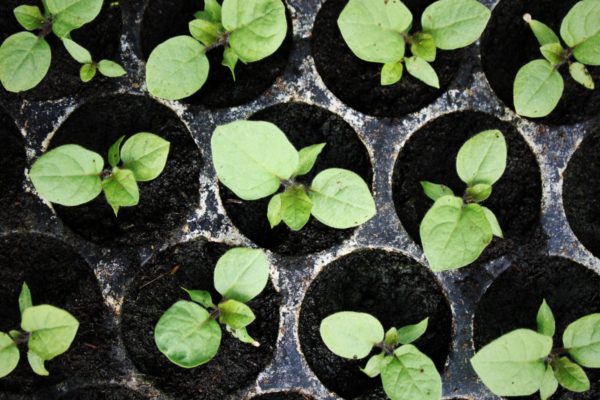
Eggplants grown in individual containers should be spaced apart as they grow; they should receive equal amounts of light without shading each other. The most comfortable air temperature for growth should be between 24 and 28 degrees Celsius during the day, and at night, it shouldn't drop below 18 degrees Celsius.
Three weeks before transplanting into the garden, the plants need to be acclimated to fresh air, sunlight, and lower temperatures. To do this, place them on a balcony or loggia, gradually acclimating them to the sun to prevent sunburn. Gradually increase the time spent outdoors, and lower the air temperature until it matches the outside temperature by the time of transplanting. There's no need to harden off the seedlings before planting them in the greenhouse.
Top dressing
If the soil has been well-fertilized before planting, there's no need to rush with additional feeding. The plants' growth rate and appearance will indicate whether they're getting enough. Initially, roots develop faster than the above-ground part, so the soil should contain sufficient phosphorus. After two to three weeks, more nitrogen will be needed; slow growth and pale leaves will indicate a deficiency. You can water the seedlings with a solution of mullein or bird droppings, diluted 10 and 15 times, respectively.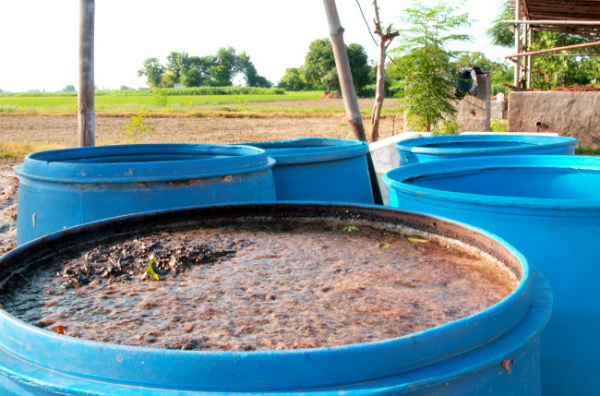
Eggplant seedlings don't like being sprayed, but weakened sprouts can be sprayed with water and hydrogen peroxide (2 tablespoons per 1 liter of water). The effect of this treatment will be visible within a few hours.
During the two months the seedlings are growing indoors, they are fertilized two or three times. You can use complex mineral fertilizers dissolved in water, or find special seedling mixtures at the store.
Picking
Eggplants don't transplant well; it's best to sow them in individual pots and transplant them once—into the garden. However, if space is limited, seedlings are often grown in large boxes or containers and then transplanted into individual pots. Eggplants can be transplanted after one or two leaves appear. Water them generously, then carefully remove them from the box with as much soil as possible using a spoon or flat stick. Carefully place them in individual pots in the center of a prepared hole in the soil, then cover with soil up to the cotyledons.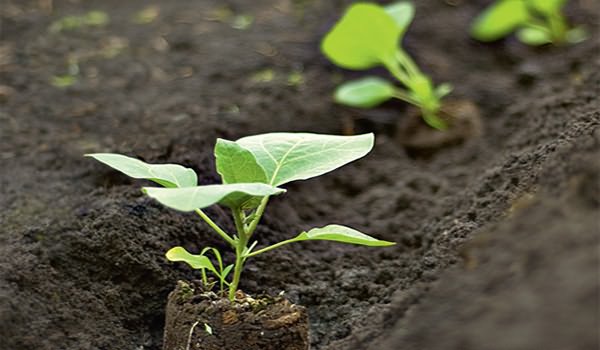
The soil in the new container should be the same as for sowing, and shouldn't it be finely grained? For the first few days after transplanting, the plants should be shaded and watered sparingly. Fertilizing can be done after 10 to 14 days, if necessary.
Growing seedlings without picking
Of course, it's easier to grow eggplants by planting a couple of seeds in a 10-cm-tall, 0.5-liter cup. Once the seedlings emerge, leave the stronger sprouts and trim or pinch off the weaker ones at ground level. The container should have holes for water drainage, and a drainage layer can be added.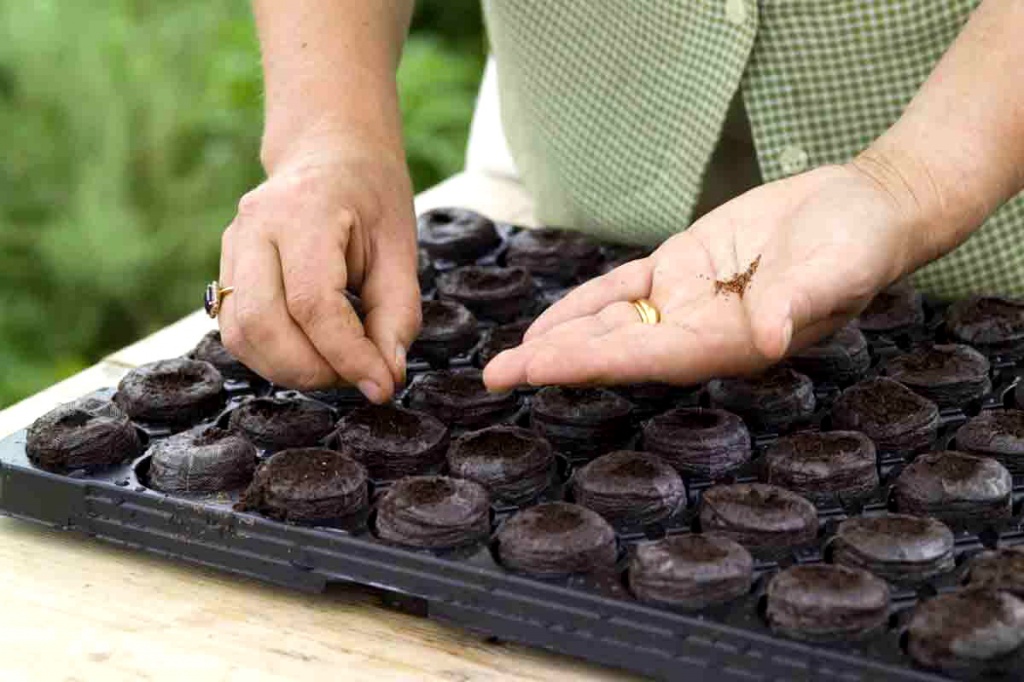
Pricking out plants can damage small roots, delaying development for at least a couple of weeks, so it should be avoided if possible. Seeds can be planted in peat pots, which are then placed in the garden along with the plant, without damaging it. Most often, seedlings are grown in disposable plastic cups, which are simply cut open before planting. The plant is then removed, complete with soil, and placed in the garden bed without damage.
Growing in boxes
If you decide to use boxes for growing seedlings, fill them with prepared soil and water them. Make shallow furrows 5-7 cm apart, place the seeds 3-4 cm apart, cover with soil, and cover with plastic wrap. After a week at low temperatures, the boxes are usually placed on a windowsill to provide the seedlings with maximum light. A couple of times a week, turn the boxes so the light is directed toward the other side to prevent the plants from leaning.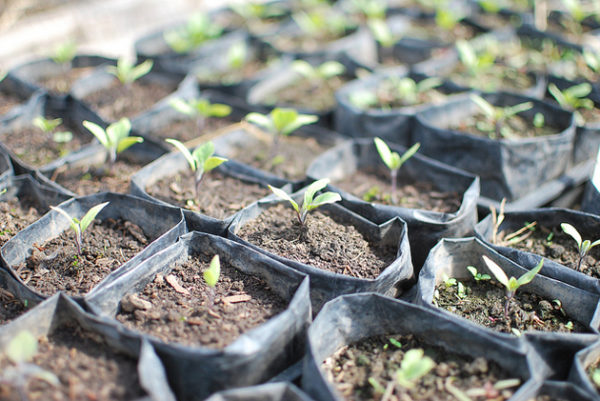
After 1-2 true leaves appear, the plants will need to be transplanted into separate containers. The older the plant, the more damage the roots may suffer during transplantation. Furthermore, the older the bushes, the more shade each other.
Knowing how to properly grow seedlings can help you get an excellent eggplant harvest even in short summers.
Video "Growing at Home"
This video will show you how to grow eggplants at home.