
Germinating Eggplant Seeds: How to Increase Germination Rates
Content
How long does it take for seeds to germinate?
The number of days it takes for eggplant seeds to germinate depends on many factors. Germination times vary among varieties, and the year the seeds were collected or how long they were stored can also play a role. Although they are considered good for up to 8 years, germination is best observed with seeds stored for 2-4 years; after that, germination rates decline significantly.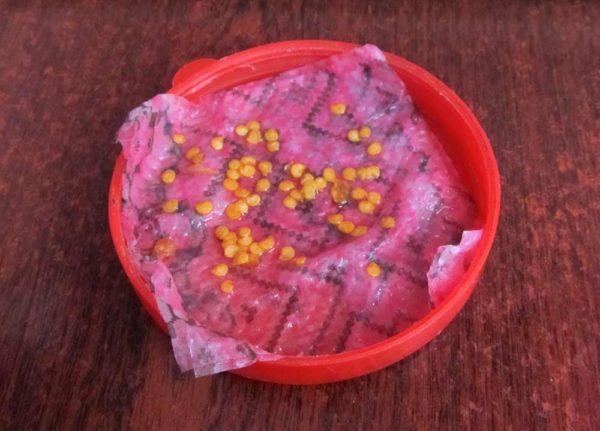
If you sow dry, unprepared seeds, you can wait up to 25 days or even longer for results. Therefore, before planting, all vegetable growers usually carry out a series of measures with the seed material, which are aimed at reducing the period of uncertainty and eliminating possible infections.
Germination times often depend on the air temperature at which this occurs, the lighting regime, even the depth at which the seeds are placed in the soil, and the quality of the soil itself.
Video: "How to check seed germination?"
This video will show you how to test the germination of eggplant seeds.
How to increase germination
It's a good idea to test the germination rate of purchased seeds in advance. To do this, take 10-14 seeds, place them on a damp cloth, wrap them in plastic, and keep them in a warm place. After a few days (it can take 5 to 15 days; keep the cloth damp at all times), tiny sprouts will appear. A 50% germination rate is considered acceptable, meaning every second seed will germinate. If the rate is lower, it's best to buy different seeds.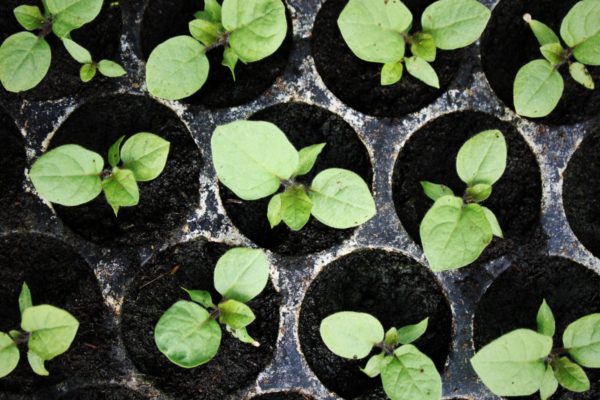
The seeds were most likely stored at a low temperature; to stimulate their growth, they need to be kept warm for several days. Many gardeners bring the seeds home a month before sowing. They initially sit at room temperature, then place them near a radiator or other heating device for a day or two. This process can be sped up by placing the seeds in hot water (50°C/122°F) for 25 minutes, followed by refrigeration for another 24 hours. This process simultaneously disinfects and hardens the seeds thermally while they're germinating. They can be stratified by alternately placing them in the refrigerator overnight and in a room during the day for about a week. The most common method for disinfecting seeds is soaking them in a bright solution of potassium permanganate for 25 minutes.
Soaking eggplant seeds in growth stimulants can speed up germination and improve their viability. You can buy special products at the store, dilute them according to the instructions, and soak the seeds for the specified time. Sodium humate, nitrophoska, aloe vera juice, or wood ash infusion can be used. Some producers have already completed all the disinfection and preparation procedures for sowing; their seeds are sold coated with a colored nutrient coating.
After all of this, you can also place the seeds in a damp cloth or cotton pads for germination, wrap them in plastic, and keep them in a warm place. Results will be visible within 4-5 days.
When and how to plant seeds
Eggplants are heat-loving plants. To ensure rapid establishment, seedlings should be planted when the soil has warmed sufficiently and the air temperature has reached 25°C (77°F). This occurs, depending on the region, from late May to the first half of June. By this time, the seedlings should be 60 to 75 days old to ensure proper growth and the harvest has time to reach technical maturity by the end of summer. A further 10 to 15 days should be allowed for germination. Based on these dates, the sowing time is calculated: in the south, this may be late February, and in the middle zone, the second half of March. In late winter, eggplant seedlings are usually prepared for planting in a greenhouse.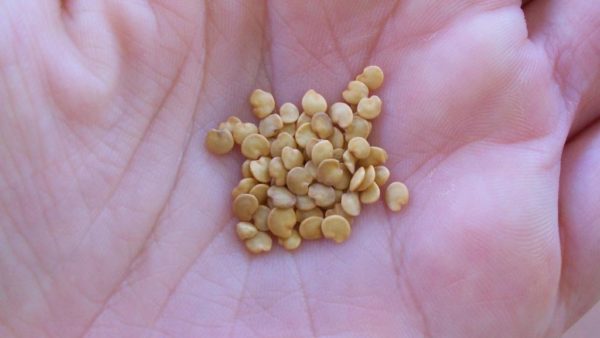
Prepared or even sprouted seeds are placed in light, nutritious soil at a shallow depth, covered with glass or film, and placed in a warm place with an air temperature of at least 25 degrees Celsius. When the first loops of sprouted seeds appear, the container containing them is brought into the light. After sprouts appear, the small eggplants are placed in a bright room with a temperature of 16 to 18 degrees Celsius for a week.
Rules for correct landing
Eggplants don't like being transplanted; their roots are often damaged, and it then takes time for the plant to recover and establish itself in its new location. Therefore, it's best not to transplant seedlings, but to use individual containers for growing them. These can be ceramic pots, special seedling trays, plastic cups with a minimum capacity of 0.5 liters, peat cups, or tablets. The containers should have drainage holes to allow excess water to drain.
The soil should be light and fertile, but it should be fine-grained to ensure the seedlings don't encounter additional resistance during germination. Sometimes gardeners sift the soil while it's dry. The containers should be washed and rinsed with boiling water, and the soil should be disinfected by dousing it with a hot solution of potassium permanganate. Some prefer to warm the soil in a hot oven for 20 minutes or freeze it for half an hour and then thaw. Any method is good, the main thing is to kill pathogens and pest larvae.
Place the seeds on moist, warm soil and cover with a 1-1.5 cm layer of dry soil. Place 2-4 seeds in individual containers. Select the strongest sprout from the sprouted ones, and pinch or cut off the remaining ones at ground level. If sown in shared containers or boxes (with subsequent transplanting), place the seeds in furrows, spacing them 3-4 cm between seeds and 5-6 cm between furrows.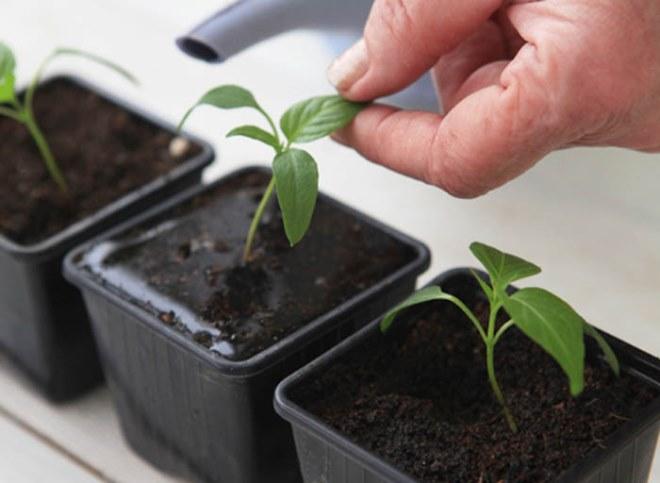
Cover the seeded container with plastic to create a greenhouse effect and place it in a warm, dark place. Warmth is essential at this stage; light will be needed once the seedling loops emerge above the ground.
Why don't eggplant seeds germinate?
Prepared seeds should germinate within 5 to 7 days. Different varieties should be sown in different containers, as they may take different amounts of time to emerge. If no seeds emerge above ground within a week, it's time to consider the cause and review all preparation, sowing, and care steps.
Poor quality seeds
It's best to buy seeds from a reputable manufacturer in specialized stores. This can serve as a guarantee of quality. Responsible manufacturers indicate the seed collection time, approximate sowing dates, and expected germination times on the packaging.
Before sowing, be sure to check the seeds for germination. You can discard poor-quality seeds by soaking the entire seed in salt water for 3 to 5 minutes.
The good ones will sink to the bottom, the bad ones can be thrown out with the water, but those that remain on the surface will not germinate anyway.
Incorrect watering
Improper watering can delay the emergence of seedlings. If the soil is overwatered, it will cling to the seed, depriving it of air. This is especially dangerous if the soil is not very light and contains a lot of clay. 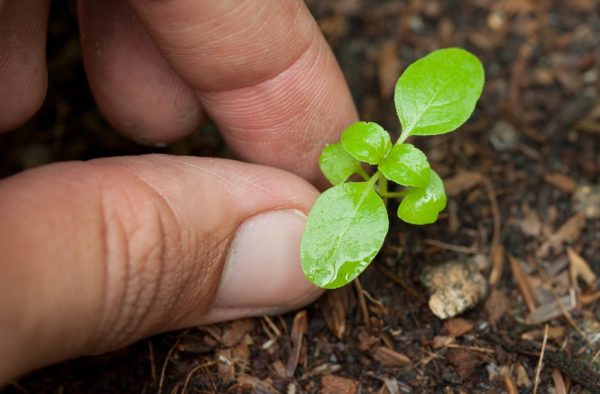 Soil that's too dense can require a lot of effort from the germinating seed; even planting more than 1.5 cm deep can be a challenge, delaying germination for several days. It's not for nothing that it's recommended not to press the seeds down, but simply spread them out on moist soil, or to cover them with dry soil.
Incorrect temperature
The most comfortable temperature for sprouting is between 25 and 28 degrees Celsius. At this temperature, sprouts will appear in 5 to 10 days, assuming the soil temperature is also consistent. Lower temperatures will delay germination; temperatures below 18 degrees Celsius can eliminate any hope of sprouting, as can temperatures above 30 degrees Celsius.
Video: "Sowing Seeds for Seedlings"
This video will show you how to properly sow eggplant seeds for seedlings.