
Fertilizing eggplants in open ground: how and when to fertilize
Content
How to feed
Before delving into fertilization frequency and schedules, it's important to understand when and what to feed eggplants to ensure they absorb the maximum amount of nutrients. Like all nightshade crops, eggplant requires nitrogen (without which normal growth is impossible), phosphorus (responsible for root development), potassium (required for fruit formation), as well as manganese, boron, and iron (these elements positively impact yield and improve fruit quality). For eggplant, you can use chemical (superphosphate, potassium nitrate, or nitrophoska) or organic (mullein, bird droppings, or compost) fertilizers. It's highly recommended to dilute organic fertilizers, as fresh organic fertilizers contain a lot of nitrogen.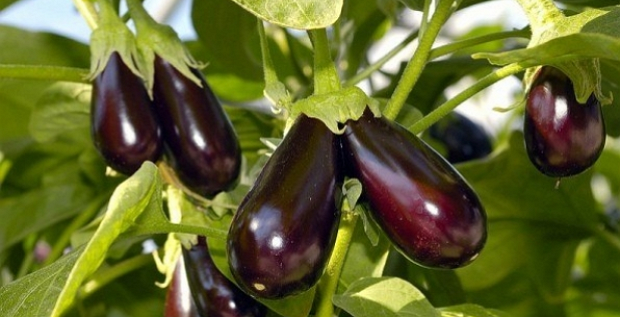
It's best to alternate chemical and organic fertilizers. Remember, of course, that eggplants are fed only through root feeding—foliar feeding is almost never used for this crop. An exception is a boric acid solution (1 g diluted in 1 liter of water), which can be sprayed on beds to improve flowering and fruit set. Never increase the concentration, as this can burn the leaves and disrupt the natural development of the plants.
However, the main fertilizers are applied at the roots. Each plant will require about one and a half liters of room-temperature nutrient solution. Try not to let the mixture come into contact with the eggplant leaves. If this happens, rinse them with clean water.
Video: "How to Feed Eggplants"
From this video you will learn how to feed eggplants.
When to feed
When growing eggplants in open ground and greenhouses, fertilizer should be applied at specific times. Experienced gardeners recommend applying fertilizer twice:
- For the first time after planting, eggplants need to be fed as soon as the first true leaves appear - future bushes should receive a sufficient amount of potassium and nitrogen;
- The seedlings are fed a second time about ten days before planting in their permanent location. Now, it's important that the nutrient mixture contains phosphorus in addition to the potassium and nitrogen mentioned above. Superphosphate can be used at this stage.
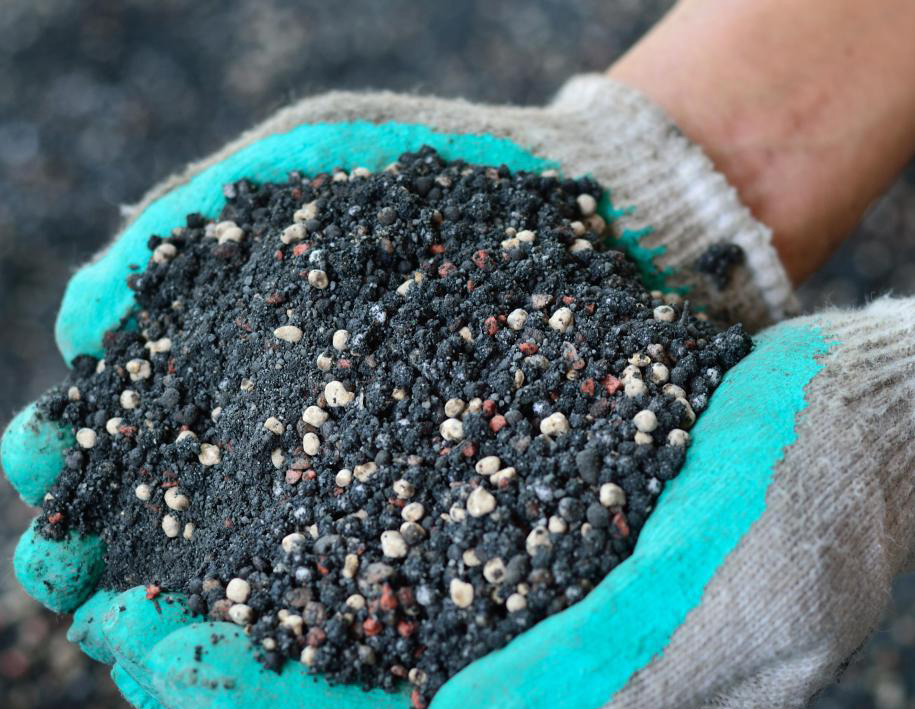
Seedlings that have survived transplantation need to be supported with fertilizer to develop a healthy root system, which will ensure a smooth rooting process in the new location and a healthy and harmonious plant development. Once your eggplants have fully established themselves in the garden, they will need at least three more fertilizing sessions:
- Fourteen days after transplanting, the eggplant roots have become strong and adapted to the new conditions, so it's time to add another fertilizer containing potassium, nitrogen, and phosphorus.
- During fruit set. When plants begin to form ovaries, they desperately need additional nutrition. Help them by adding a standard dose of nitrogen, but double the potassium and phosphorus.
- The next step is fertilizing the eggplant beds as the fruit begins to form. Now you'll need fertilizers containing potassium and phosphorus.
When plants are actively bearing fruit, you can add another dose of phosphorus and potassium to extend the harvest period and improve the quality of the fruit.
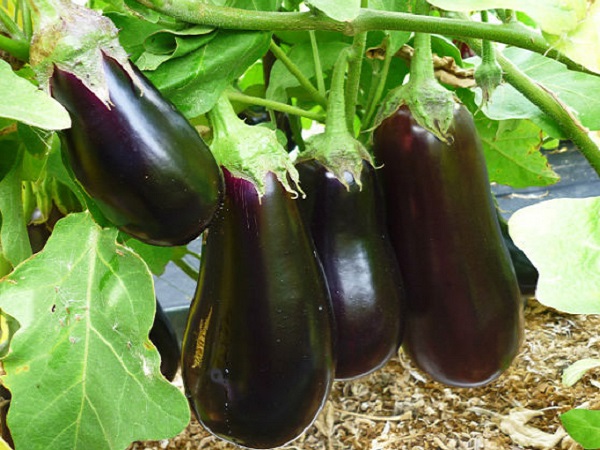
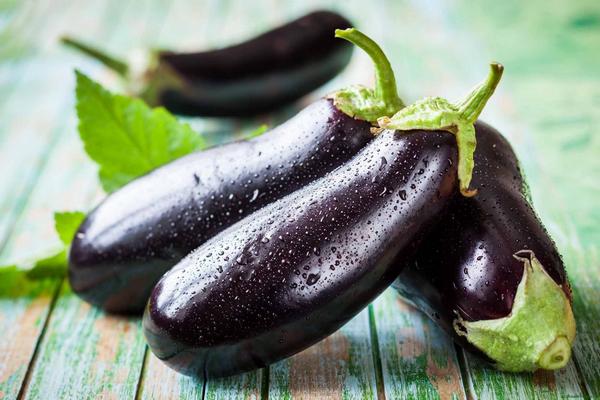
This fertilizing schedule is applicable if your eggplants are growing in nutritious soil. If you notice that your beds are significantly depleted, you can fertilize more frequently—about once every two weeks, alternating between organic and mineral fertilizers.
What's missing from the garden bed?
If you neglect fertilizing, plants will immediately suffer from nutrient deficiencies. Fruits suffer first: they become misshapen, smaller, or even absent altogether. Let's take a closer look at the main problems associated with nutrient deficiencies.
Nitrogen deficiency
If an eggplant plant isn't getting the required amount of nitrogen, it signals this by changing the color of its foliage—it becomes dull, lighter, and smaller. It won't be long before the plant begins to shed its green foliage, significantly slowing down the ripening of its fruit. Even those that do grow will be small, misshapen, and likely to fall off prematurely. To save the threatened crop, it's necessary to apply a nitrogen-containing fertilizer, such as urea.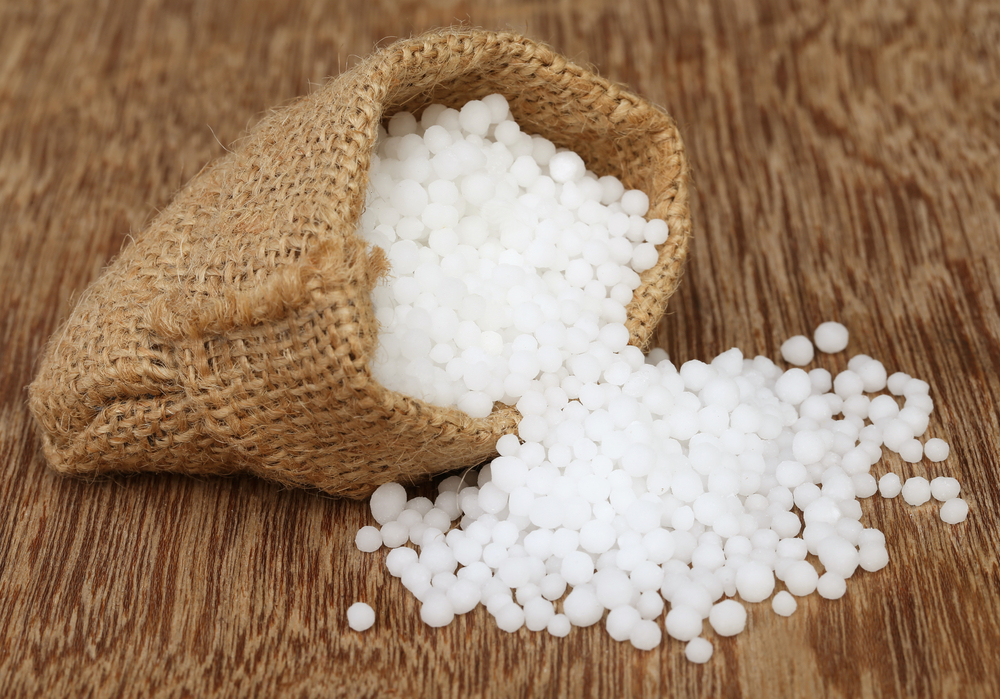
However, don't overdo it and exceed the prescribed dose—excess nitrogen, instead of the intended benefit, can cause equal damage to the crop: plants will begin to actively grow green mass, ignoring their intended purpose—bearing fruit.
Potassium deficiency
Potassium deficiency in eggplant beds is indicated by stunted plant growth. It's important to fertilize seedlings with potassium-containing mixtures after transplanting—this stage is especially crucial for the balanced development of the crop. If mature plants lack potassium, their leaves will develop brown spots, and yields will inevitably decline.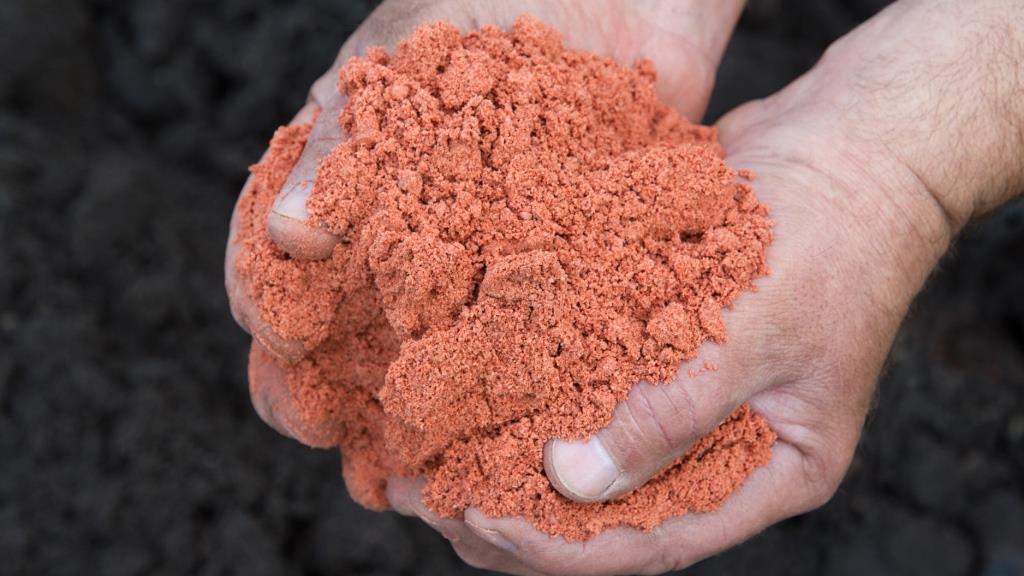
Also remember that eggplants require more potassium on cloudy days. Try adding wood ash to the beds; it can partially solve the problem: about one and a half cups of fertilizer will be needed for every square meter of soil.
Phosphorus deficiency
The easiest way to recognize phosphorus deficiency in an eggplant bed is when the plant's color changes from rich green to a purple-violet hue. If no action is taken, leaves begin to curl and fall off, the number of buds and ovaries decreases, and existing fruit develops very slowly.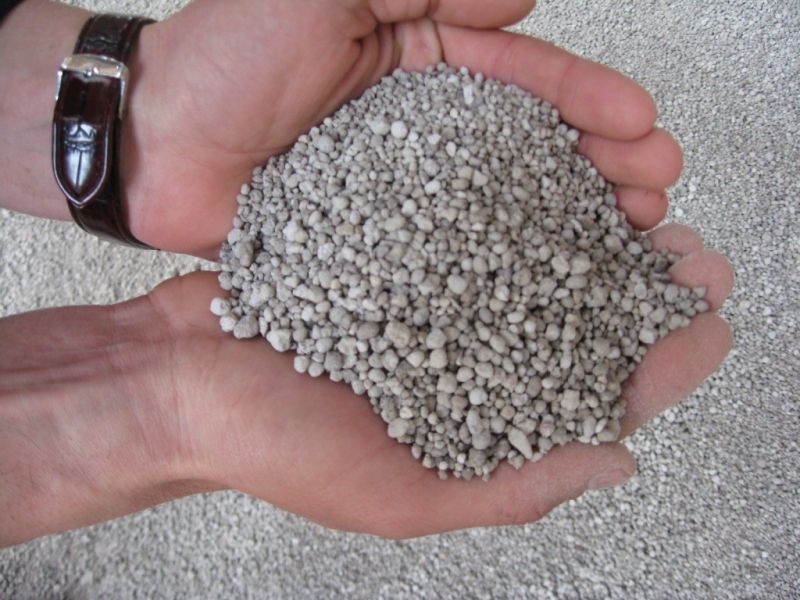
The situation can be saved by applying a complex fertilizer, such as superphosphate.
What to feed
The decision about which fertilizers to use—organic or complex mineral—is up to each gardener, based on their own experience and growing techniques. Some prefer organic mixtures, while others use mineral compounds. But, as mentioned earlier, a combination of both has proven to be the best option.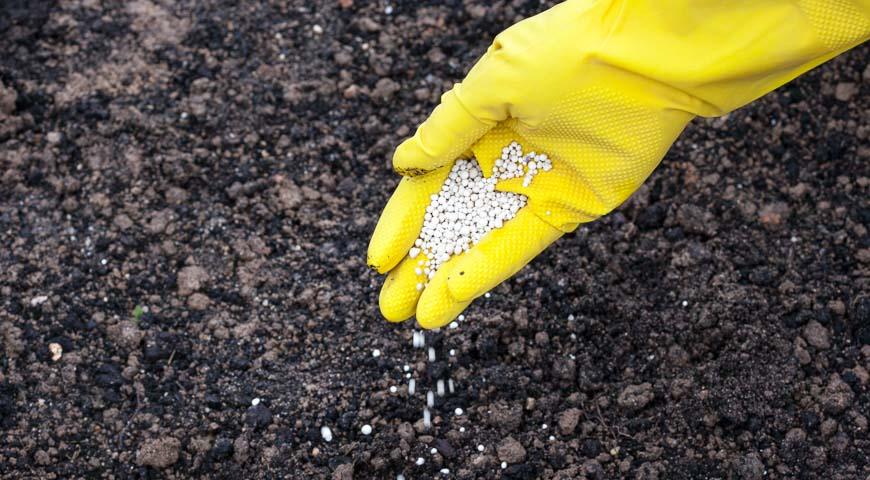
When growing seedlings, fertilize with potassium sulfate, superphosphate, or potassium salt. For the initial fertilization of seedlings, use a solution of 30 g of potassium nitrate and 10 liters of warm water. For the second feeding, you can prepare a mixture of 70 g of superphosphate, 25 g of potassium salt, and 10 liters of water. After your eggplants are planted in the garden bed, you can gradually increase the nutrient concentration. Now you can begin applying nitrophoska, superphosphate, or potassium sulfate. Organic matter, such as chicken manure, cow dung, or compost, has also proven effective (remember to prepare the organic matter first).
Some farmers resort to folk remedies, feeding eggplants with a yeast solution (100 g of yeast per 10 liters of water). The prepared solution is left in a warm place for 72 hours, after which the plants are watered at a rate of 0.5 liters per plant.
With our advice, you're sure to grow an incredible harvest of delicious, satin-colored, dark-blue fruits that will be the envy of all your neighbors.
Video: "Fertilizing Eggplants in Open Ground"
This video will show you how to fertilize eggplants in open ground.