
Why eggplants don't set fruit - the main reasons
Content
Violation of temperature regime
For crops to grow normally and develop fully, they require a temperature of 25–27°C (77–80°F). If the greenhouse temperature drops below 15–18°C (59–64°F), the plant will not only stop growing but also freeze.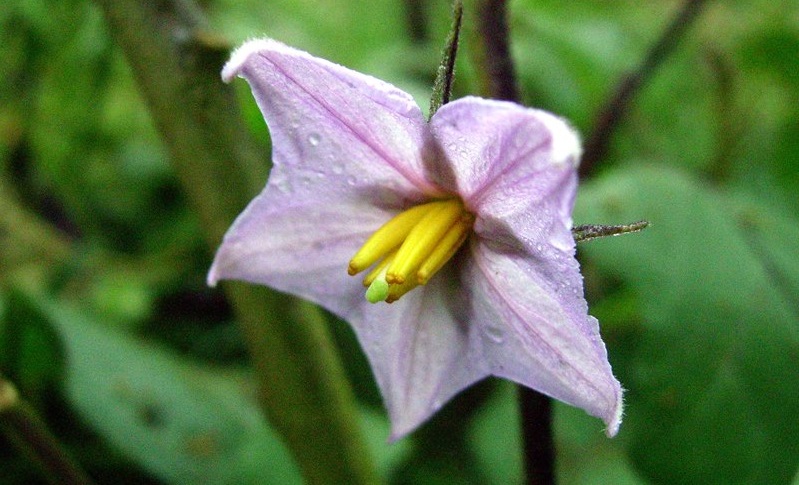
During flowering, this can lead to the drying up and dropping of the barren flower, as in this case, the ovary will not be able to form. If, on the contrary, the temperature rises to 32°C (92°F), neither pollination nor ovary formation can be expected.
Video: "Reasons for Lack of Ovary"
This video will tell you why eggplants may not set fruit.
Unsuitable soil
Besides a certain temperature, plants can only fully develop in soil with the optimal composition. It should be fertile, well-drained, and have a neutral pH. If you have clay or podzolic soil, which is not only acidic and dense but also doesn't warm up properly, you risk not seeing the fruits form. Therefore, checking the soil composition for eggplant cultivation is a key concern for every gardener. The soil should be well-fertilized.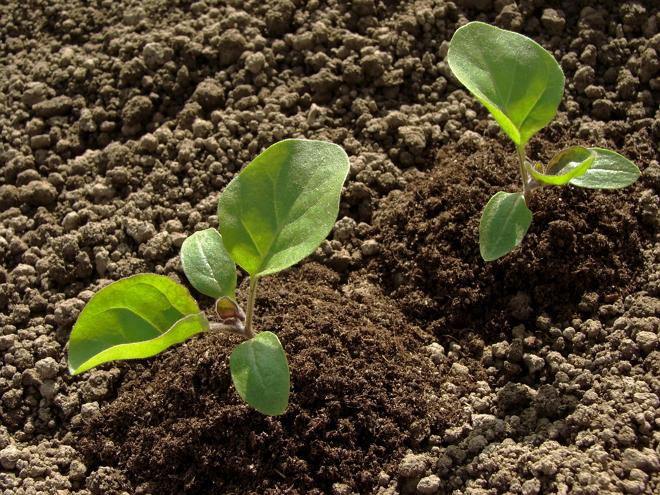
A deficiency of such an important element as nitrogen can result in the failure of the eggplant to set. For planting eggplants, you can use a mixture consisting of sod soil and humus in a ratio of 1:2. A mixture of humus and peat in the same proportions is also suitable. Experienced gardeners add compost or well-rotted humus to the trenches in the fall to ensure the soil warms up properly. These are excellent biofuels.
Cucumbers, cabbage, and onions are considered good predecessors to nightshades. It's best not to plant them after other nightshades or peppers. It's recommended to replant eggplants in the same location after three years. The soil should be moist and well-drained before planting.
Insufficient or incorrect watering
Incorrect watering can also be the cause of failure to set fruit. Moderate humidity should be maintained in the greenhouse. Adequate watering is essential for good flowering, fruit set, and, consequently, the possibility of a bountiful harvest of your favorite vegetables.
If a plant sets fruit but receives insufficient water, it will respond with delayed bud and fruit formation, as their natural nutrition will be disrupted. The same thing happens with excessive water stagnation, as the roots cannot receive sufficient oxygen. Eggplants normally require infrequent but abundant watering. The soil should be moist to a depth of no more than 40–50 cm.
Fertilizers
Why do eggplants fail to set fruit? Several possible causes include overfertilizing. This is often the result of a desire to achieve an early and abundant vegetable harvest.
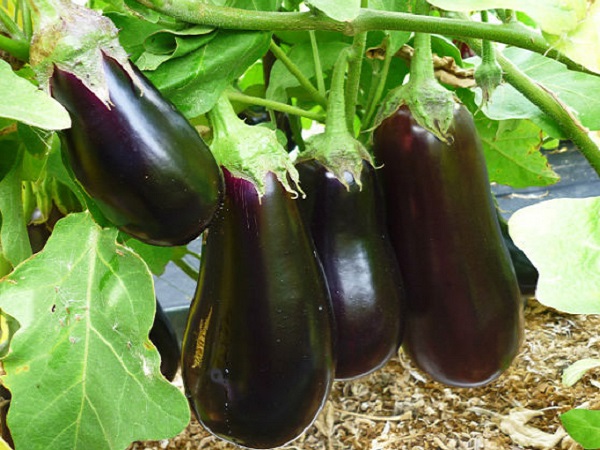
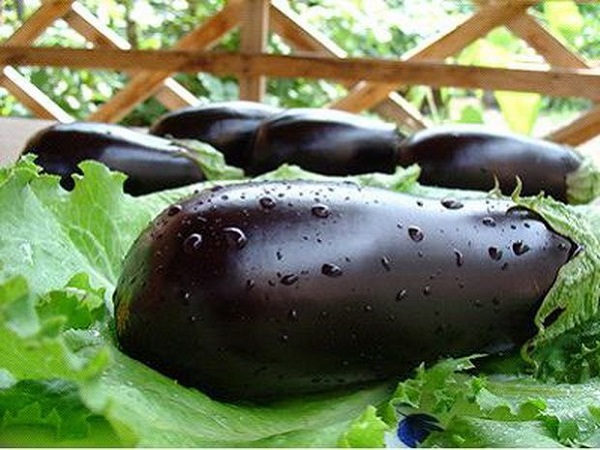
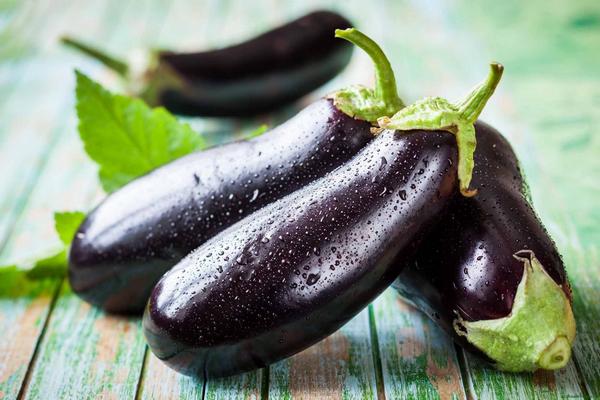
Avoid overdoing it with organic and mineral fertilizers. This can lead to the plants becoming overly green. This will result in too few flower stalks, which will dry out and fall off.
Excess nitrogen
Experts define nitrogen as an element found in fertilizers that must be applied to the soil at specific times of the year. This is recommended in early spring, as applying nitrogen-containing fertilizers during the growing season will inevitably cause significant stress to the crop.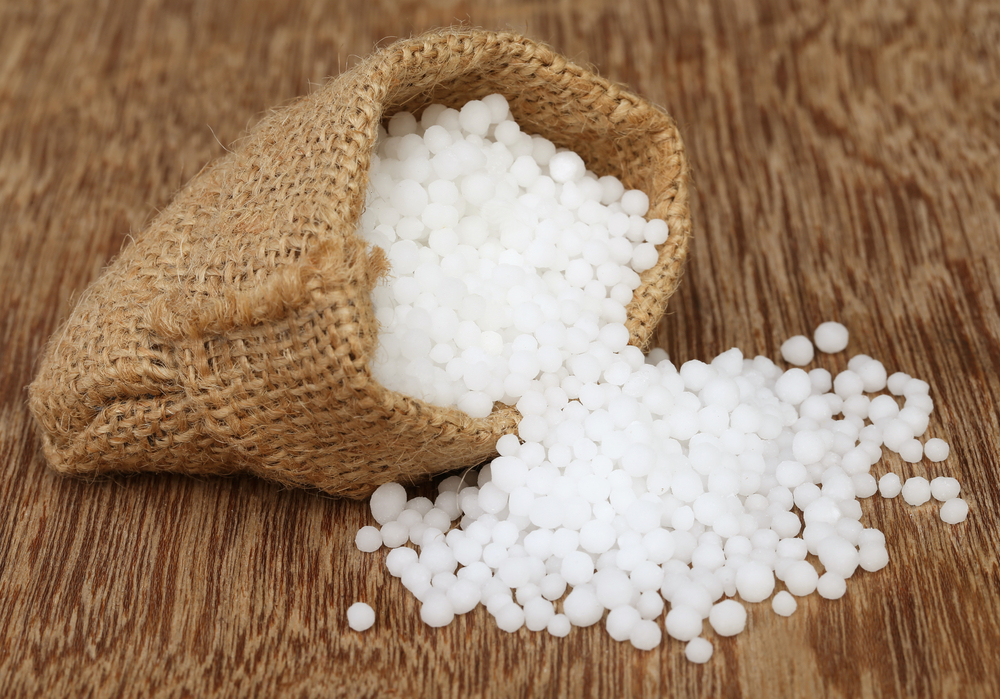
In response, the plant will immediately respond by failing to produce fruit or flowers. Then, don't expect to harvest healthy and tasty vegetables. Even a novice gardener can easily detect excess nitrogen in the soil. A clear sign will be the falling and drying of eggplant flowers, which have just begun to appear. Adding a small amount of potassium and phosphorus to the soil will help correct the situation. Fertilizing the beds with ash is also effective. It is known for its ability to combat high nitrogen levels in the soil.
Excess pollen
This beautiful member of the nightshade family produces fruit through self-pollination. The pollen is quite heavy and therefore cannot be carried more than 1 meter. To ensure proper formation of ovaries, gently shake the plants in the morning. Care must be taken to avoid damaging the plants. Even with manual pollination, some eggplant loss cannot be ruled out. This can occur due to low or high ambient temperatures.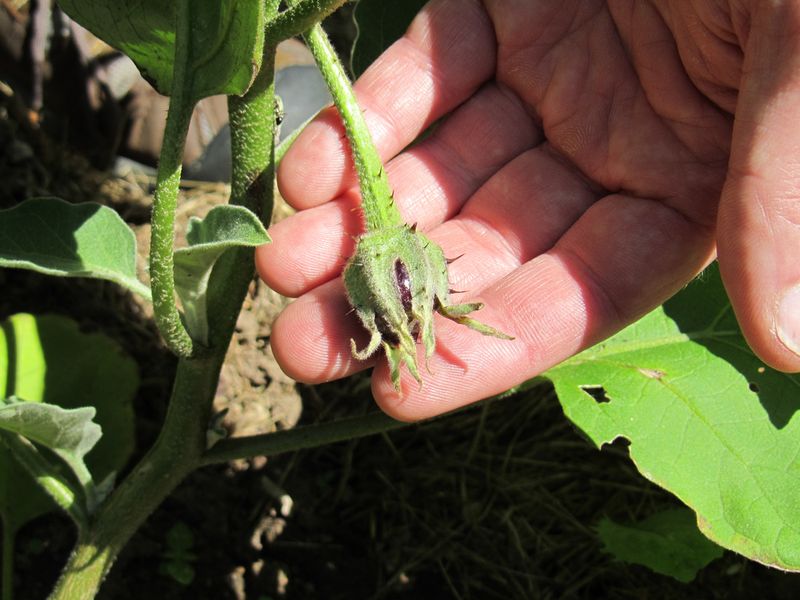
Since the optimal temperature range for eggplant is between 25 and 35 degrees Celsius, it is recommended to grow eggplants in greenhouses. In open ground, prolonged rainfall is dangerous for them. If negative consequences from temperature fluctuations cannot be avoided, use the products "Immunodeficiency" and "Novosil."
When ovaries are dropping and fruit is missing, sprays such as "Buton," "Zavyaz," and "Gibbersib" have proven effective. All of these products contain a special substance called gibberellin.
The plant needs it during the flowering period. Eggplants are capable of producing this component on their own. However, if the right conditions are not met, gibberellin is not produced in sufficient quantities. Consequently, the ovaries eventually fall off. After spraying, ovary growth is often stimulated. To do this, the plant needs to be dipped in water. Cauterizing the pistil with a strong solution of potassium permanganate is also popular.
Video: Growing Eggplants
This video will show you how to grow eggplants properly.