
Do eggplant seedlings need to be pricked out?
Content
Advantages of the method
Pricking out eggplant seedlings offers a number of advantages that positively impact the plant's development and fruiting efficiency. For example, if the seedlings have sprouted densely, pricking out allows their roots to have the space they need, preventing root shoots from becoming tangled. Furthermore, subsequent transplanting of the plants to their permanent location is significantly easier—properly pricked out seedlings simply roll into the garden bed along with the root ball.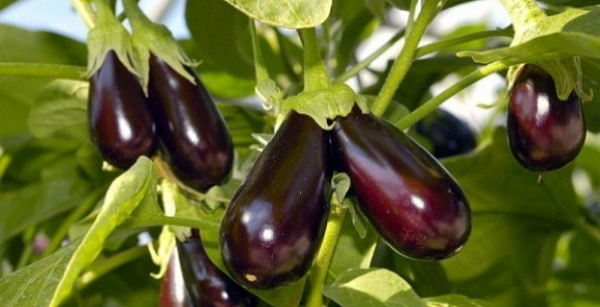
Furthermore, transplanting young eggplant seedlings is also necessary to select the strongest and most promising plants, which are sure to yield a good harvest. Sometimes, eggplants become diseased without proper transplanting: this happens if the soil containing the seedlings is teeming with pathogens, viruses, or fungi. In such cases, the only way to save the seedlings is by transplanting them into pathogen-free soil.
When answering the question of whether eggplants need to be pricked out, it is important to mention that it allows the plant to develop a strong root system. And then, properly performed picking slows down the growth of the bushes a little, which prevents the plants from overgrowing.
Video "Pick-Up Time"
From the video you will learn when to transplant seedlings.
Rules for picking
Growing eggplant bushes is not fundamentally different from other nightshade crops. When can eggplants be pruned? When two or three true leaves appear. However, some gardeners prefer to pruning at the cotyledon stage. 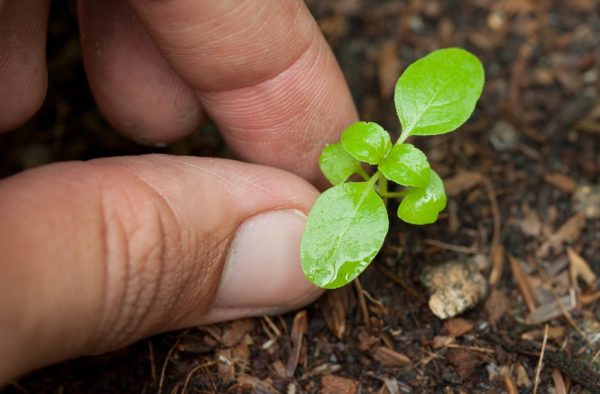 Be that as it may, this must be done carefully to avoid damaging the delicate root shoots of the small bushes. We plant the plants gently, so that the lower cotyledon leaves remain above the soil surface.
Preparation
Before you begin transplanting, make sure you have the necessary equipment ready – suitable containers and tools, as well as nutrient-rich soil.
Soil preparation
To ensure healthy seedling development, try using a special peat-based, nutritious soil mix: this type of soil has the optimal pH level for young plants, is fertile, and has good water and air permeability. Furthermore, when purchasing the substrate from a specialist store, you can be sure it has undergone proper treatment and disinfection.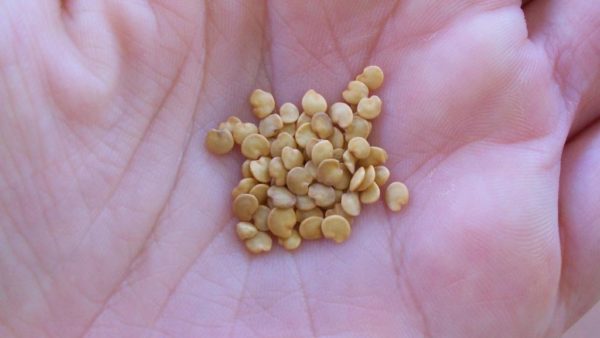
You can also use soil from your own garden beds, prepared in the fall. This soil should be mixed with a nutrient substrate in a 1:1 ratio, adding river sand, wood ash, or sawdust. Incidentally, this method will allow the seedlings to adapt more quickly to the new conditions after transplanting, as the soil composition in the garden bed will be similar to the previous one. However, don't forget about the need to disinfect the garden soil, as it will likely contain pathogenic microflora. A solution of potassium permanganate, which should be thoroughly poured over the soil, or you can simply treat it with hot steam, works well as a disinfectant.
Preparing the container
The best containers for transplanting are special containers designed for seedlings. However, if these are unavailable, disposable beer cups or even cut-up milk cartons will do just fine. 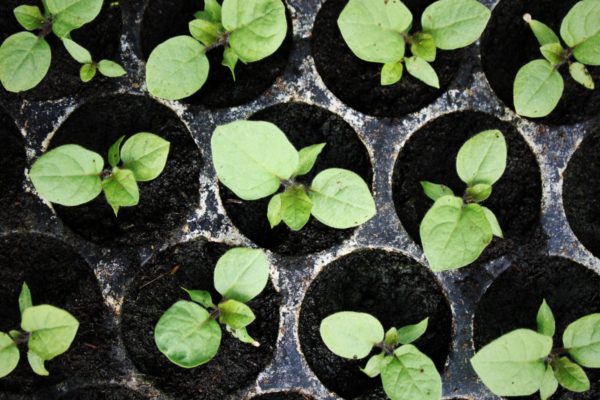 The main thing is that the seedlings should have enough space, and at the same time, the roots should not become soggy. Recently, experienced gardeners have been recommending against using special peat pots for transplanting – eggplant seedlings require frequent and abundant watering, and the peat walls are damaged by moisture.
The picking process
So, the answer to the question of whether eggplant seedlings need to be pricked out is obvious. Of course they do. Now let's figure out how to do it. Gardeners use two main methods of pricking out seedlings.
Transplanting. Water the seedling pot generously with room-temperature water to ease the process of loosening the seedlings from the soil. Meanwhile, prepare a sufficient number of individual pots filled with soil for transplanting the plants. Now take a small stick (a pencil will do) and begin pushing it into the soil a short distance from the selected plant. Light pressure on the pencil will be enough to remove the seedling. Without loosening the root ball, transfer the plant to a separate container and bury it down to the cotyledon leaves. Lightly press the seedling down and water it generously with warm water to which a growth stimulant has been added.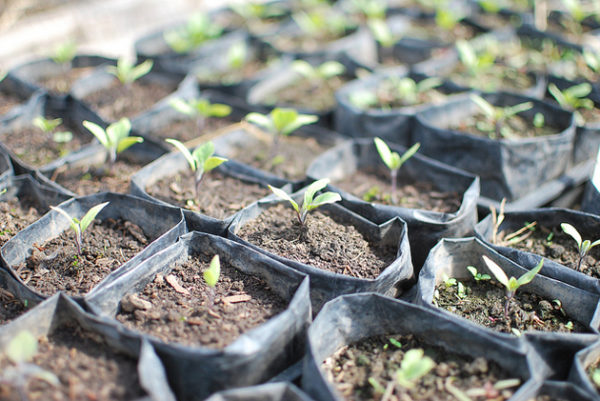
Transplantation. This method is suitable for transplanting eggplants from small cups to larger containers. This method doesn't damage the plant's root system at all, and it quickly adapts to the new conditions. Stop watering the plants some time before the planned transplant to allow the root ball to separate more easily from the old pot. Turn the container upside down and gently press down on the bottom of the cup—voila, you'll have a solid lump of soil containing an intact seedling. Fill a larger container halfway with soil, place the root ball in it, and top it up with soil.
Caring for seedlings after the procedure
Young eggplants are sensitive to transplanting, so try to provide them with the most gentle conditions possible after the procedure:
- Avoid intense lighting - a moderate light regime with shading of seedlings is best;
- Avoid overwatering the soil. Water as the soil dries out, ensuring the soil in the container isn't too wet. Typically, eggplants only need to be watered once a week. It's important to use room-temperature water and ensure drainage holes in the bottom of the containers.
If your eggplants have become unhealthy after transplanting, they can benefit from a light fertilizer boost. Use a complete nutrient mix from a gardening store, or make your own: an infusion of crushed eggshells soaked in water for 5 days has proven effective.
The seedlings can be placed in a permanent bed as soon as they reach 10 cm in height and have three pairs of true leaves.
Video "Picking Technology"
From this video you will learn about the correct technology of picking.