
How to control spider mites on eggplants?
Content
External signs of a problem
These insects spread through the air, through human clothing, gardening tools, animal fur, and even through their own feet. Preventing pests from appearing in a greenhouse is the primary goal of any gardener, as greenhouses often experience low humidity. This results in a rapidly growing parasite population.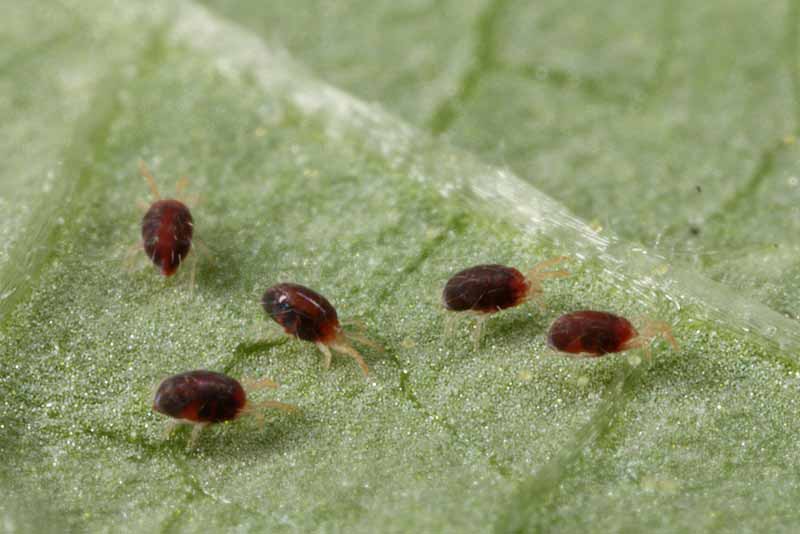
It's worth remembering that ticks dislike excessive shade, and when daylight hours are short, they tend to hibernate. These insects prefer to hide in tree bark, last year's leaves, or the upper layers of soil.
Detecting these pests is often difficult because they have tiny bodies. Characteristic signs of their activity include a change in the foliage's usual coloring to a marbled pattern, as well as the presence of webbing. If left untreated, the plant can die within a few weeks. The insect itself has four pairs of legs and lacks wings and antennae. The average body size of the mite is 0.5 mm, with females being slightly larger than males. The larvae are approximately 0.2 mm long. The mite eggs are yellowish and resemble microscopic spheres. Initially, the parasites prefer to live on the surface of foliage, but later they are not averse to feeding on fruits.
Video: "How Mites Can Harm Eggplants"
This video will show you how spider mites can harm vegetables.
Effects on plants
Don't delay in choosing a control method if you discover spider mites, as they can ruin your future eggplant harvest in just a few weeks. The insects can easily overwinter in plant debris or by crawling into cracks in buildings, only to resume their destructive activity the following year, which can be detrimental to plant growth and development.
The mite typically pierces the succulent foliage with its sharp mouthparts and sucks out the juices from the eggplant. Its vigorous activity results in affected leaves with yellowish and whitish spots and a lack of chlorophyll. The foliage, which is deformed, web-covered, and wilted, stunts the plant's growth.
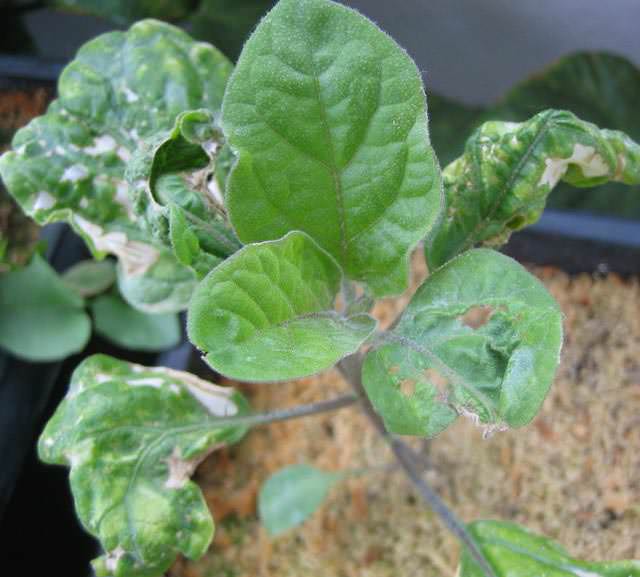
After laying eggs, the female moves to new plants. In dry, hot weather, the offspring hatch after three days. At one week, they are ready to lay eggs. The spider mite has four developmental stages: egg, larval, and two nymphal stages. Adult spider mites appear as reddish and brownish spots on plants. Crops affected by the pests have weak immunity to diseases.
Folk methods of struggle
An excellent effect can be achieved by using a product designed for flea control in animals. It should be mixed with water and then sprayed on the eggplants. A popular folk remedy is the use of tobacco stems and leaves.  The recommended dosage is approximately 45 grams of dry material per 1 liter of water. Before applying the product to your plants, dilute it with water at a ratio of 1:2. For many years, the use of hot pepper berries has been popular against pests. Making a solution using it is quite simple: use 100 grams of berries per 1 liter of liquid.
There are several proven recipes for getting rid of larvae.
You can use 120 grams of potato tops per 1 liter of water or 270 grams of garlic bulbs per the same amount of liquid. A combination of 400 grams of chopped tomato parts, placed in 1 liter of water, also works well. Be sure to dilute this infusion before use. Dandelion roots and leaves have proven effective. 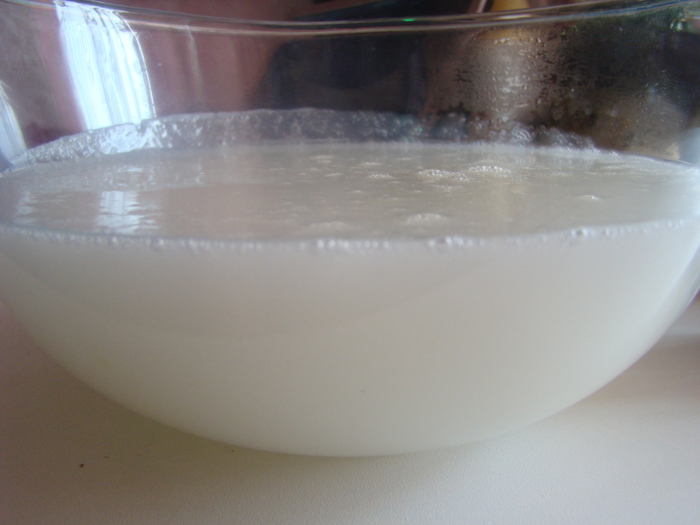 Take about 30 grams and place them in 1 liter of water. Yarrow herb can also be used. In this case, 80 grams of dry material is added to a liter of water. A soap-alcohol solution is often used to treat the leaves and stems against larvae. It is recommended to add a small amount of laundry detergent or soap to the decoctions. This will ensure the homemade solution adheres well to the crops.
Use of purchased products
There are many highly effective products on the market today. Among them are insectoacaricides such as Fitoverm and Actellic. The former is slightly toxic to humans. Treatment is recommended indoors. Afterward, wash your hands and face thoroughly with soap. Treatments should be performed three times a week. The latter product should be applied to open areas. Among acaricides, Sanmite and Neoron are worth mentioning. The former effectively kills both adult pests and eggs. The latter eliminates mites on eggplants after just two treatments.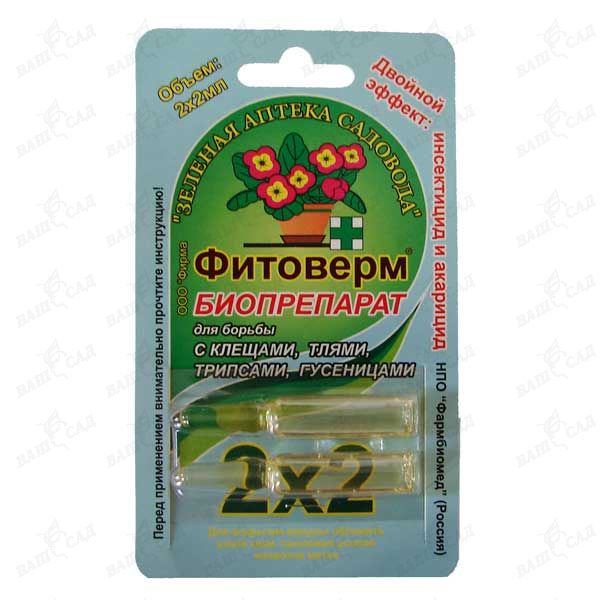
There are also biological products that are harmless to humans and pets. These include Phytoseiulus and Amblyseiulus, predatory mites that feed on spider mites. They can destroy about 10 parasite eggs daily. Sometimes, greenhouse disinfection is achieved by burning sulfur briquettes. In cases of excessive pest population growth, spraying crops with colloidal sulfur is recommended. This is done at a rate of 70 grams of the product per bucket of water.
Preventive measures
Prevention is always better than control. Following a few rules will help prevent spider mites from infesting your eggplants.
Crops should be sprayed from the outside occasionally. This type of pest most often appears due to insufficient air humidity. It's important to ensure that moisture doesn't stagnate inside the plant. Otherwise, rotting will occur.

This is especially important during the winter, when temperatures are low, light levels are low, and moisture evaporation is relatively slow. Plant debris must be removed promptly, as it can be a hiding place for small pests. It is recommended to brush dust off the surface of foliage. Ticks are not immune to the specific substances contained in neem oil, so it is also often used as a preventative measure.
Video: "Effective Tick Control"
This video will show you how to combat spider mites.