
Eggplant "King of the North" - Secrets of Growing
Content
Description
This variety is popular due to its undeniable qualities. It's an early-ripening vegetable that boasts good cold tolerance, high yields, and excellent fruit quality. Gardeners love all eggplant varieties because they contain beneficial micronutrients such as iron, calcium, phosphorus, and protein. These vegetables can help remove excess cholesterol from the body. Eating them is an excellent preventative measure against atherosclerosis, coronary heart disease, gallstones, and other conditions.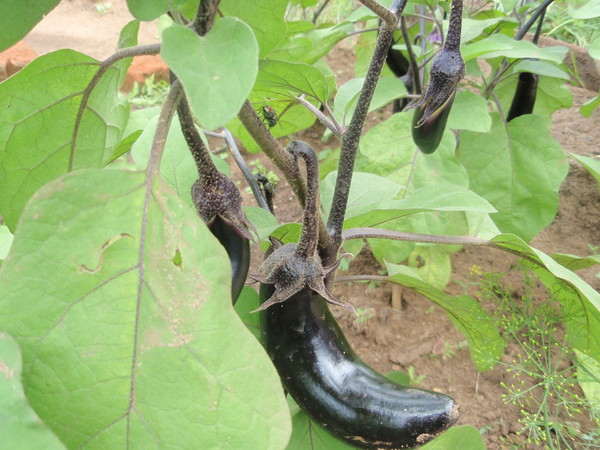
The King of the North f1 variety is a heat-loving crop with a long growing season. Gardeners should expect the first fragile shoots to emerge within 100 to 140 days. Only high-quality seeds should be purchased. This is the earliest-ripening hybrid variety known. It has good fruit set and yield.
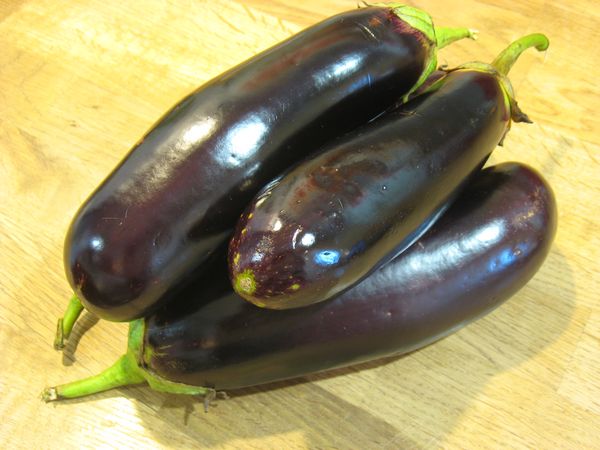
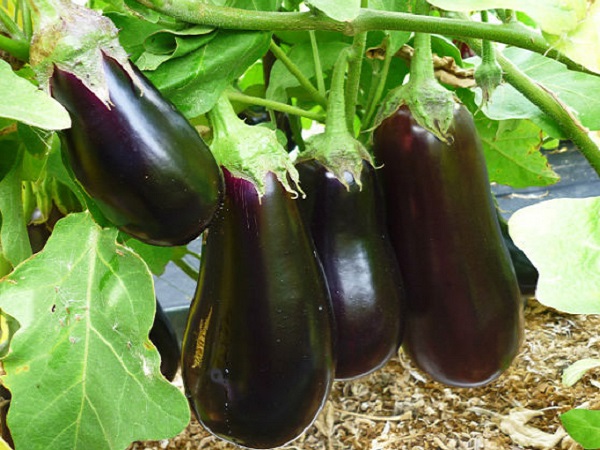
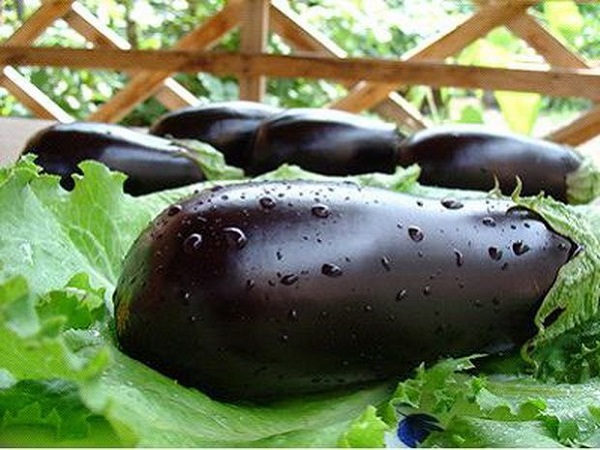
The fruits are typically about 30 centimeters long. They are elongated, blackish-purple in color, and have a glossy, pleasant-to-the-touch surface. The pulp is white in color, and everyone will like the taste, as there is no characteristic bitterness.
Video: "Characteristics of the King of the North variety"
From the video you will learn about the features of this variety.
Sowing seeds
It's recommended to sow seeds for seedlings from March 20th to 30th. Each seed should be placed in peat pellets or pots. It's best to use a mixture of equal parts turf soil and compost. Fertilizer should also be added. You'll need 1 tablespoon of potassium sulfate or another fertilizer containing potassium. 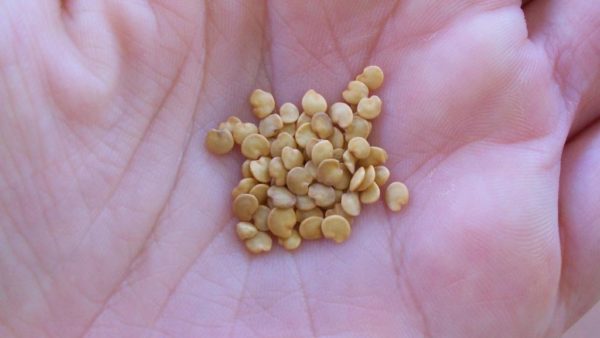 Add 1 tablespoon of urea or another nitrogen-containing fertilizer, as well as a couple of tablespoons of superphosphate or another phosphorus-containing fertilizer. The seeds should not be planted more than 2 cm deep. Cover with plastic wrap and wait for germination at a temperature of 22–26°C.
Caring for seedlings
The main requirement when growing seedlings from seeds is adequate moisture. Watering is recommended every three days. Avoid overwatering the soil, as this can cause the plants to become diseased. After two and a half weeks from germination, apply fertilizer containing potassium and phosphorus, which are essential for plant growth and development. 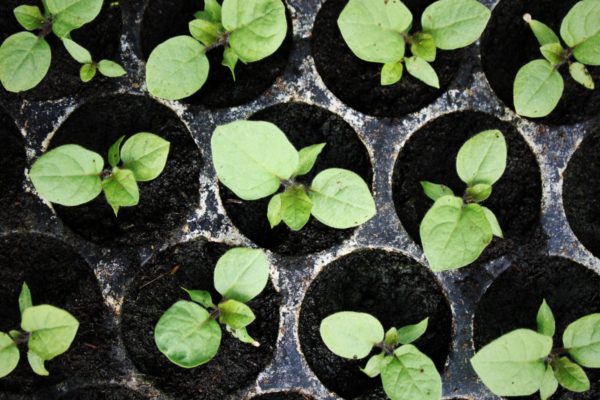 The second feeding is carried out a couple of weeks after the first. Nitrogen- and potassium-containing fertilizers are used. With proper watering and adherence to the feeding schedule, uniform and viable seedlings emerge.
Picking
Eggplants don't tolerate root damage well. Afterward, the plants undergo a lengthy recovery period. If you can't assign each plant its own container, replanting is necessary. This should only be done when the seedlings have two leaves. It's recommended to water the seedlings shortly before transplanting.
Watering a couple of hours before planting helps maintain the root system. It's recommended to use containers measuring 10 x 10 cm and 8 x 8 cm. The soil composition is the same as that used for sowing. Plant the seedling in the prepared hole up to the cotyledon leaves.
Care, watering, shaping
Whether you grow this variety of eggplant outdoors or in a greenhouse, you'll need to provide it with some care. Watering is required about once a week. If the weather is dry, you can water the plants a little more frequently. During periods of intensive growth, be sure to apply the recommended fertilizer.
There's a standard procedure for shaping eggplants. When they reach 25 cm, they should be pinched. This is easily done by removing the top portion from the central stem. This will encourage rapid growth of side shoots.
You'll need to leave five of them. The rest need to be pinched back. When your favorite plants are experiencing a period of intensive growth, be sure to remove shoots that don't bear fruit. You should also remove yellowed foliage and fruit that has lost its shape, that is, has become deformed.
Video: Growing Eggplants
This video will show you how to grow eggplants properly.