
How to soak eggplant seeds: disinfection and stimulation
Content
Selecting seeds
High-quality and delicious eggplants will grow from carefully selected seeds. A wide selection of eggplant seeds is available at specialty stores. Before purchasing, pay attention to packaging markings such as F1 (indicating first-generation seeds), choose domestically grown products that are best suited to the climate, and look for seed quantity, not seed weight.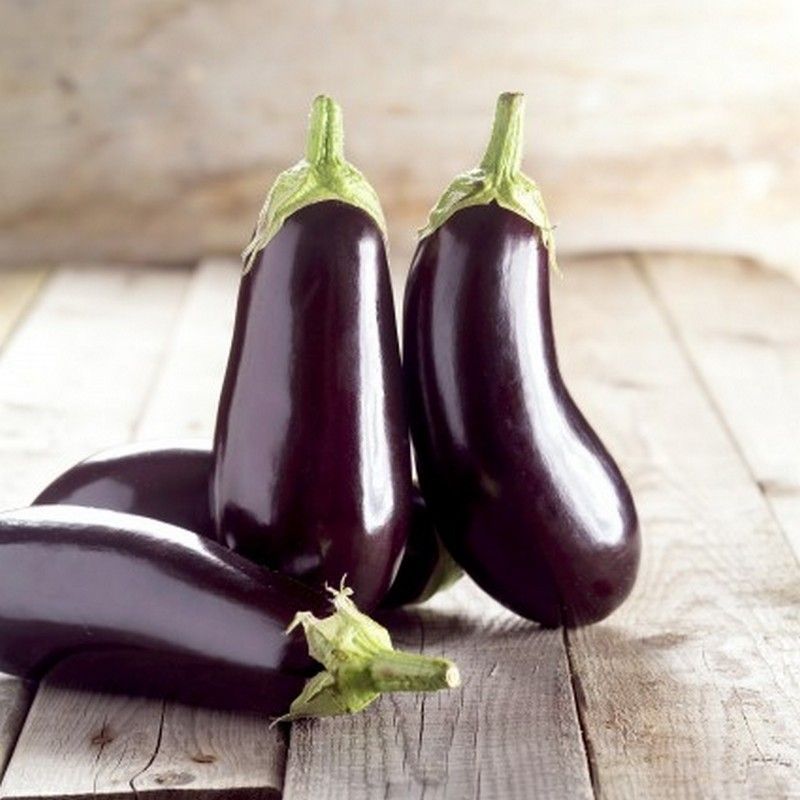 Many gardeners prefer to sow their own harvested eggplant seeds. They should first be stored in a sheltered location for a certain period of time, typically 6 to 8 months.
Video: "Processing Eggplant Seeds"
This video will show you how to properly treat seeds before planting.
Germination test
The germination rate allows gardeners to weed out unusable seeds and retain only high-quality seed material. Store-bought seeds generally don't require testing. However, home-collected seeds should be tested.
A visual inspection method is used to sort eggplant seeds. A proven method is using a solution of table salt, which is readily available in any home kitchen. Simply place the seed in a container with a 5% solution and soak for about 30 minutes. After this, the kernels will float to the surface and are not recommended for sowing. Any remaining seeds should be rinsed with clean water.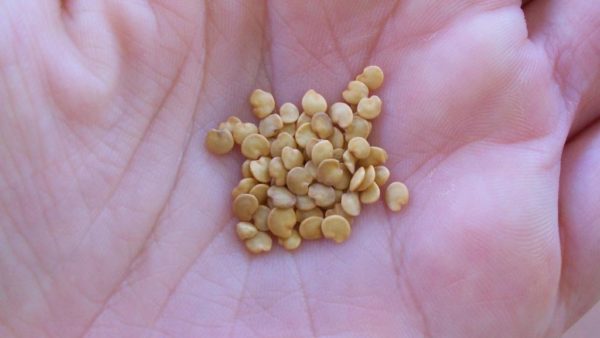
For disinfection purposes, etching is performed. This procedure requires a 1% potassium permanganate solution. Sometimes water with hydrogen peroxide is used. In this case, about 10% of the solution is required. The seed should be soaked in this solution for 20 minutes.
Soaking technology
Many beginning gardeners wonder whether it's necessary to soak eggplant seeds. Yes, it is. This procedure speeds up germination and produces high-quality seedlings. This procedure is useful for all vegetable varieties that don't readily produce seedlings, especially early varieties. 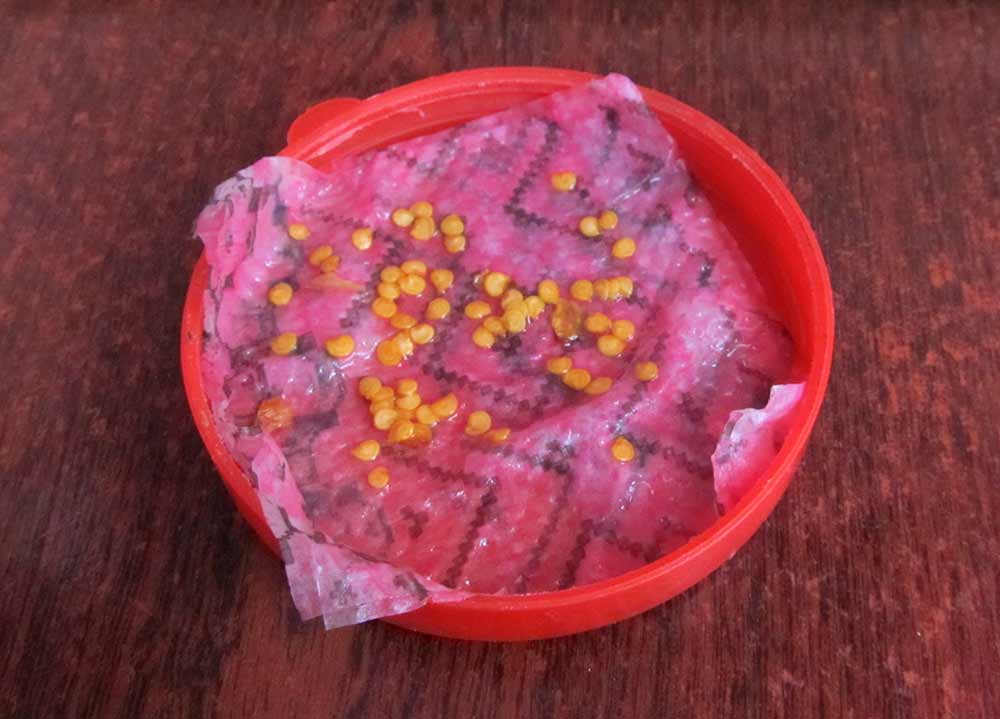 Before soaking your eggplant seeds, you need to stock up on melted snow. Collect only clean, recently fallen snow, place it in a container, and let it turn into water at room temperature. Alternatively, you can use regular, settled water.
Place the seeds in a wide, deep container, layering them with cotton cloth. Add water until it just barely covers the cloth. Otherwise, the seeds risk spoiling due to excessive moisture and insufficient airflow. How long should they remain in the water? Leave the container in a warm, dark place for 24 hours. Make sure the seeds, soaked that day, remain in the damp cloth and do not dry out. If you follow all the steps of the procedure, this well-known technology will produce high-quality seeds for successful seedlings.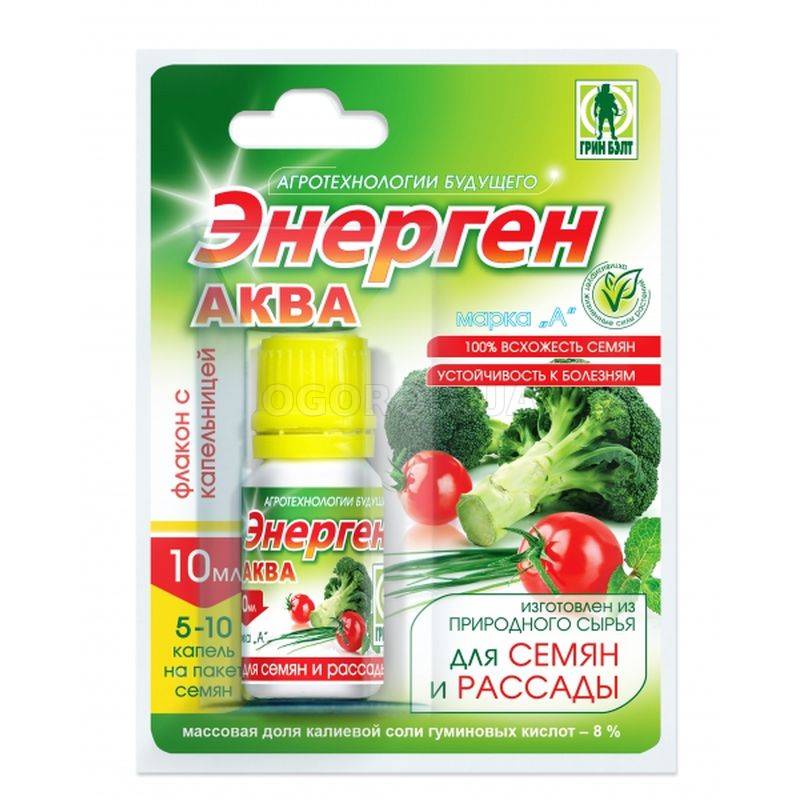
Experienced gardeners often use commercially available products. For example, "Energen Aqua" is a popular product designed to stimulate the growth and development of various crops. It contains fulvic, humic, and silicic acid salts, sulfur, and other macro- and microelements. The liquid product is applied by soaking one packet of seeds in water containing 5-10 drops of the product. The dosage and duration of soaking depend on the type of crop and its growth stage.
Disinfection
Now you know how to soak existing eggplant seeds to quickly grow seedlings. To prevent plant diseases, disinfection—that is, sanitizing the kernels—is necessary. This is especially true for seeds collected independently. A potassium permanganate solution is used. It is recommended to use only a 1% solution, as too concentrated a solution can destroy the fragile plant embryo within the shell. Do not soak the seeds for more than 20 minutes, otherwise they will become unsuitable for planting. If the soil has been disinfected, soaking in liquid is unnecessary. This is what many inexperienced gardeners think. In fact, most pathogens reside not in the soil, but within the embryos.
Heat treatment is widely used for disinfection. Place the kernels in water at about 50 degrees Celsius for 20 minutes. Then transfer them to cold water, but for no more than 1 minute. Soak them in the micronutrient solution for approximately 12 hours. Then transfer them to the refrigerator for 24 hours. To ensure the seeds are as free-flowing as possible, it is recommended to dry them slightly.
Stimulation
To speed up germination and ultimately produce viable seedlings, a stimulation procedure is required. Special preparations can be used for this purpose. However, not all gardeners are comfortable using chemicals, fearing their detrimental effects on the future harvest. In this case, you can prepare a solution yourself.
You'll need 1 liter of warm, clean water, in which you dissolve 5 grams of wood ash. Alternatively, you can replace the ash with nitrophoska or sodium humate. This solution will be slightly less effective than store-bought versions.
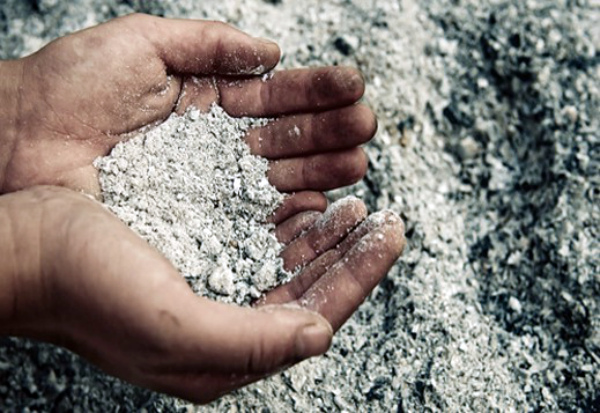
But it's guaranteed to be natural and safe. After completing all the preparation steps, you can begin germinating the seeds before planting. Properly treated seeds always produce uniform sprouts with strong disease resistance, capable of delighting the gardener with a bountiful harvest of their favorite vegetables.
Video: "Hardening and Preparing Seeds for Sowing"
This video will show you how to harden and prepare seeds for sowing.