
How to plant eggplant seedlings and seeds in open ground
Content
Preparing the bed and soil
Planting eggplants begins with preparatory work in the garden. Choose a suitable plot. It's best to grow melons, legumes, cabbage, or cucumbers there before planting eggplants.
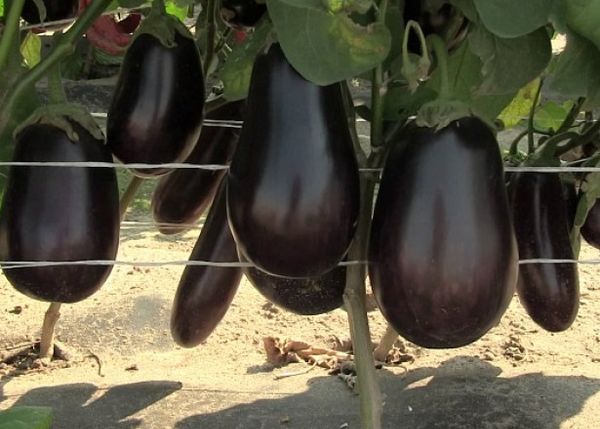
The ideal soil mixture is loamy or sandy loam. If your region has heavy soil, you'll need to enrich it with peat and humus. Dig the garden and add the nutrient mixture in the fall. If you postpone this process until spring, the eggplants will develop vegetative mass rather than fruiting.
Planting by seeds
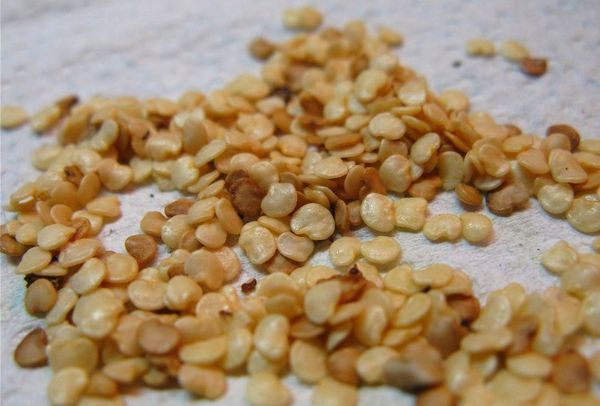
Growing eggplants from seeds is a fairly common practice among farmers. It's a painstaking process. What's required is to first acquire high-quality seed, then properly prepare it for planting, germinate it on toilet paper if necessary, and then provide the seedlings with proper care.
Selection of material
Planting eggplant seedlings will be successful if you choose the seeds wisely.It's not enough to simply choose a bag of seeds that caught your eye because of its name or the image of juicy fruits on the package. Your key task is to determine the yield rate of the variety you like and its resistance to pests and diseases. You also need to ensure that the eggplant variety you choose is suitable for growing in your specific region and its climate. To make preparing the seeds for planting easier, choose varieties that have already been treated.
Planting dates
When to plant eggplants is another question that novice gardeners often face. Generally, it's recommended to sow seeds for seedlings no earlier than March. Some experienced gardeners prefer to sow eggplants as early as April. Much depends on the variety's fruiting time. For example, in the southern regions of the country, sowing seeds can be done earlier than the recommended time, as the soil warms up sufficiently in May, meaning the seedlings can be planted outdoors earlier.
Further care
Once you've planted the seeds for seedlings in the greenhouse, it's time to take all the necessary care measures. For example, it's recommended to cover the containers with sprouted seeds with transparent film or glass to ensure an optimal temperature. Place the cups or containers with the seedlings in a well-lit area. If necessary, provide additional lighting with fluorescent lamps. As for moisture, initially, misting the soil once or twice a week is sufficient. However, over time, the intensity and frequency of watering will need to be increased.
Planting with seedlings
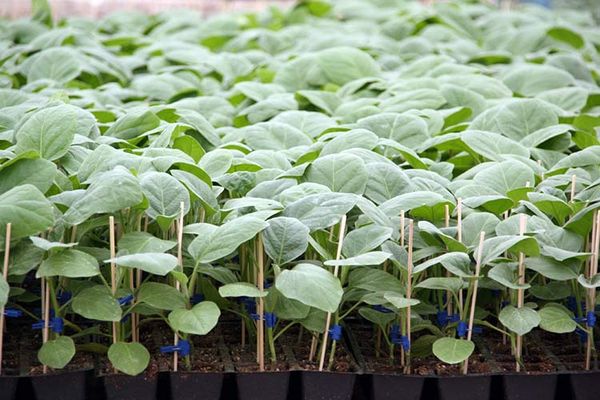
Planting eggplants in open ground at your dacha is also a skillful process. It's important to understand how to choose the right eggplant plants to avoid mistakes, how and where to plant them, at what depth and spacing, and how to care for them later. With the right approach and careful planting pattern, you'll one day reap a bountiful harvest.
Planting dates
Planting eggplants in a hole is a rather responsible process.
Choosing the optimal time for planting seedlings in open ground must be done wisely, otherwise all your efforts may be in vain. Typically, gardeners plant eggplant seedlings when frosts have passed, so they don't have to worry about temperature fluctuations at night. Late May is ideal. However, the weather doesn't always stabilize during this period. In this case, it's recommended to cover the eggplant seedlings with plastic wrap.
Selecting seedlings
Planting eggplant seedlings in open ground will yield the desired results if you carefully approach not only the preparation of the substrate but also the selection of the eggplant seedlings themselves. They should be strong and well-germinated: this is why gardeners often transplant seedlings in greenhouses. Choose seedlings that have already developed 5-6 leaves.
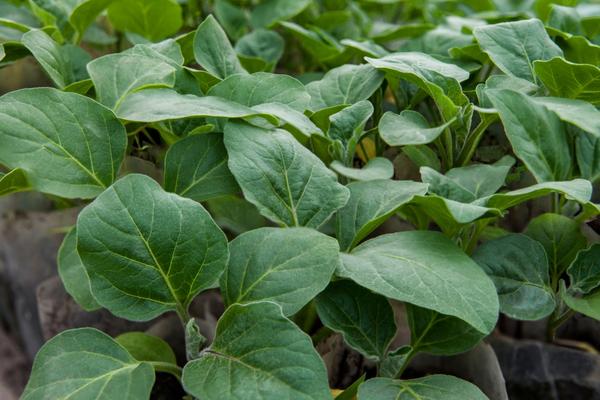
It's impossible to say for sure what age seedlings should be planted in open ground. Much depends on the variety you choose, etc. In any case, the age can vary from 30 to 70 days.
Further care
Properly caring for seedlings in the garden means providing them with an optimal microclimate. Comprehensive care should include watering, regular fertilizing, and soil loosening. When considering these methods in more detail, you should consider the following recommendations:
- The substrate should be watered at least once a week, but only until the flowering phase. Afterward, the watering frequency should increase to twice every seven days. The timing of soil moisture is also crucial. It is recommended to water eggplants after sunset, with the water applied directly to the roots.
- It is advisable to heat water for irrigation to +25 degrees (under no circumstances use boiling water);
- The soil should be loosened occasionally, but don't do it too often. About four times a year throughout the growing season is sufficient. Perform this procedure carefully to avoid damaging the root system of the vegetable.
- At least once every two weeks, add nutrient mixtures to the substrate - manure infusion or special mineral complexes.
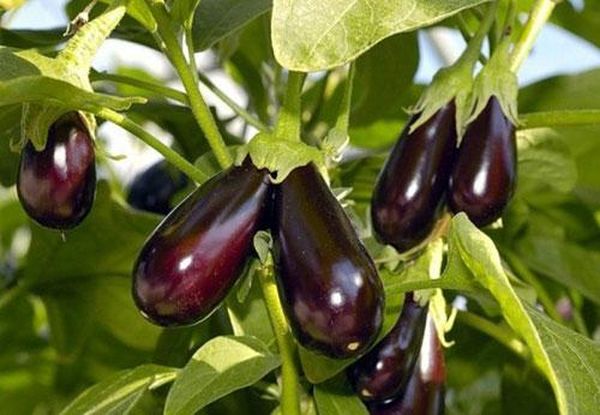
Take care of your eggplant seedlings and you will reap a truly bountiful harvest.
Video: Planting Eggplants in Open Ground
This video will show you how to properly plant eggplants in open ground.