
How to Plant Eggplants in a Greenhouse: Step-by-Step Instructions
Content
Growing conditions
How to plant eggplants in a homemade greenhouse? First, it's important to delve deeper into the characteristics of the vegetable itself, specifically the conditions that will benefit its development.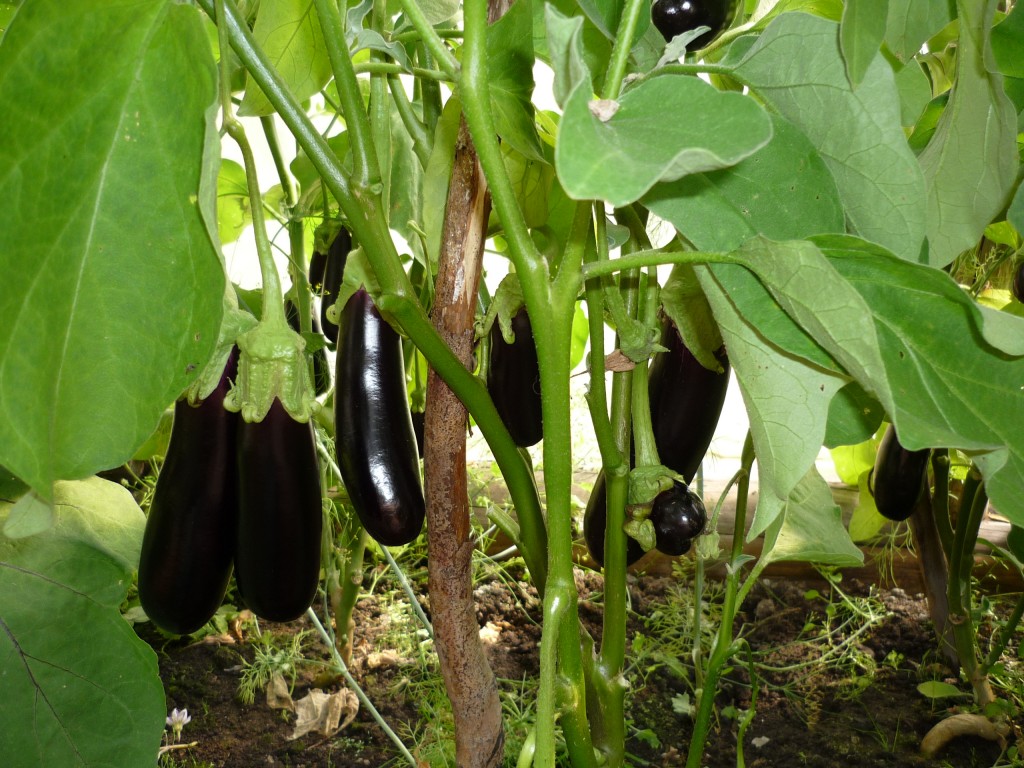
What features should be taken into account:
- While tomatoes and peppers don't have any particular need for high temperatures in a greenhouse, eggplants, on the other hand, cannot thrive without them. Therefore, a specific temperature regime—above 20 degrees Celsius—should be maintained indoors. Otherwise, the seedlings will sit in the ground for a very long time and will not be able to develop fully.
- No frosts. That's why experts recommend planting eggplant cuttings in a greenhouse rather than in open ground. Farmers who prefer to grow this crop in their gardens should be prepared for spring frosts, which are devastating for fragile seedlings and even mature plants.
- Regularly saturate the soil with moisture. If the eggplant substrate is not watered as required, the buds on the bushes may simply fall off during flowering, and the fruits will become "twisted," meaning they lose their aesthetic appearance;
- Fertilizing is necessary. It's best to do this in several stages, during the plant's most difficult periods—the adaptation process after planting or when the fruit is forming;
- Daylight hours should be 10-12 hours. Only then will the plant be able to develop intensively.
If you provide an optimal microclimate for eggplant seedlings, you'll reap a bountiful harvest when the time comes. While there are plenty of basic recommendations, the results are well worth the effort.
Video: How to Grow Eggplants in a Greenhouse
This video will show you how to grow eggplants in a greenhouse.
Soil preparation
If you think the most important thing is purchasing high-quality seed, you're mistaken. There are many other steps, each of which deserves special attention. For example, soil preparation. Farmers don't always prioritize this, but it's recommended to begin preparatory work in the fall, after harvesting in greenhouses. All remaining vegetation (weeds, dried plant stems, etc.) is removed from the beds.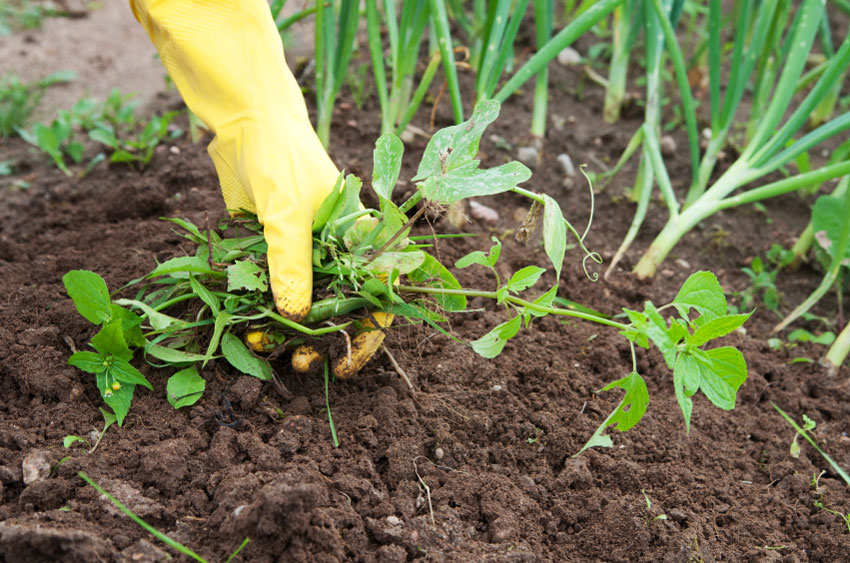
Once you've removed all excess debris from your soil, it needs to be watered thoroughly, doing this in two stages. This will ensure the soil is thoroughly saturated. Soil disinfection is also an important step. This is necessary to eliminate pathogens and bacteria, as well as prevent the spread of insects and other pests. In modern gardening, two methods are used equally often:
- Thermal treatment. This is the process of cleaning the substrate with hot steam. Alternatively, you can simply pour boiling water over the soil. Be careful not to overdo it with heat treatment—heating the soil to over 100 degrees Celsius will destroy not only harmful bacteria but also beneficial ones.
- Chemical. This method involves using bleach at a rate of 100 grams per square meter of garden bed. The dry powder is simply sprinkled on the soil and then mixed with the topsoil using a rake. It's also advisable to cover the containers with transparent film for a few hours afterward.
The best way to prepare for planting eggplant next season is to complete all the preparatory work in the fall and, importantly, to nourish the soil with beneficial components.
Soil fertilization
If you want to get a bountiful harvest from greenhouse eggplant seedlings, you should ensure the soil is well-fertilized. This can be either organic or mineral fertilizers. Whichever you choose isn't important, as long as the fertilizer is applied.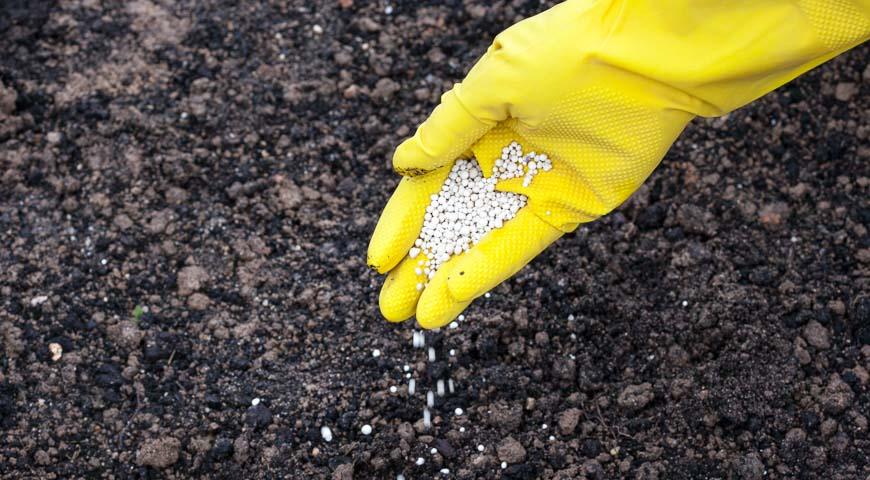
However, experts believe that eggplants respond best to organic fertilizer. For this, you can use components such as manure or compost. How do you apply this type of fertilizer? It's advisable to add manure or compost to the holes when planting the seedlings, ensuring the root system is deeply immersed in the mixture. This is because as the manure or compost mixture begins to digest, the temperature in the holes will rise, which will benefit the seedlings.
Planting seedlings
Eggplants should be planted in a homemade greenhouse when the seedlings have grown significantly and become stronger. The key is to maintain the appropriate distance between seedlings—30 to 60 cm. Consider the characteristics of your variety: if the plant grows tall and branched, increase the distance between your seedlings. Once you've determined the right time to plant eggplants in a greenhouse, begin the process.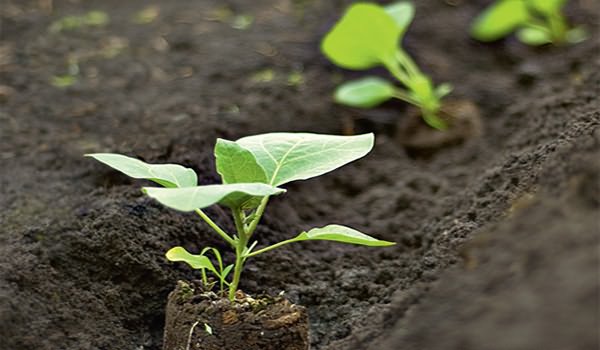
To do this, it is necessary to take into account the following nuances:
- You should not dig deep holes in the ground; they should only be slightly larger in size than the containers in which you initially sowed the agricultural seeds;
- the dug holes must be watered with warm water;
- Immediately after planting the seedlings in the ground, it is necessary to water the seedlings, but not too much;
- A hard crust forming on the top layer of soil is usually a significant problem for any gardener. To prevent this, sprinkle a small amount of peat on the soil.
Planting time and seed quality aren't the only important factors. A good harvest requires careful attention to eggplant seedlings.
Care
After greenhouse eggplants have been planted, a farmer's chores don't end. First and foremost, it's essential to ensure optimal temperature conditions in the greenhouse. It's worth noting that many gardeners are unaware of how temperature deviations can impact eggplant yield. However, the difference between day and night temperatures should be at least 10 degrees Celsius. Particular attention should be paid to watering, lighting, and fertilizing.
Top dressing
If you fertilized your eggplants immediately before planting, you may not need to apply any further nutrient mixtures. However, if you neglected this recommendation, it's advisable to add a phosphate fertilizer to the soil a week after the first shoots emerge.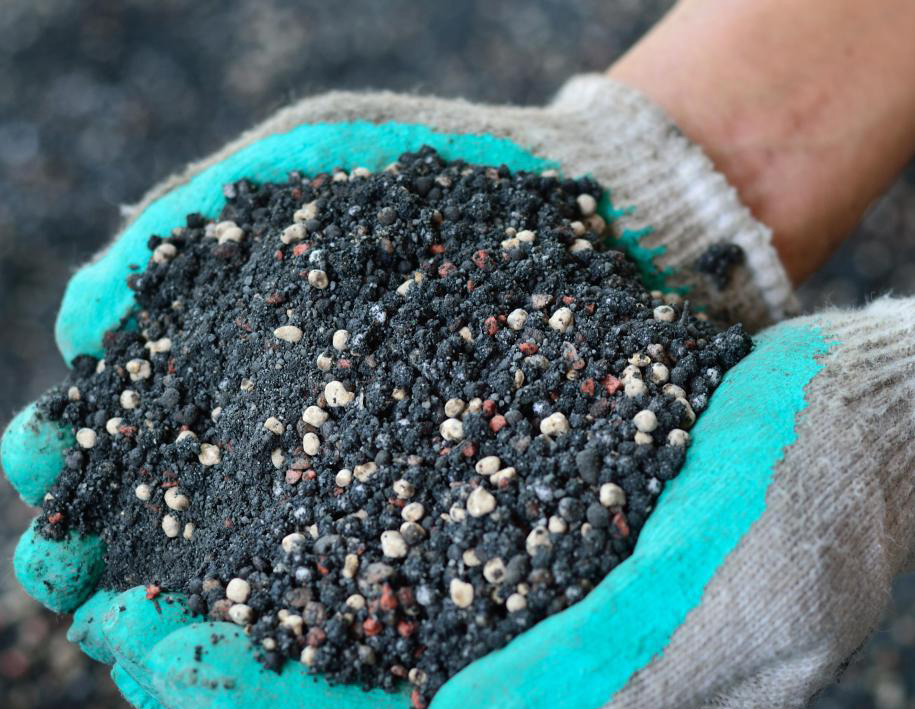
But you shouldn't over-water it, as the budding process can begin much earlier than expected, which won't have a very positive effect on the bushes' yield.
Watering
A farmer's key task is to ensure drainage in greenhouse containers, as if water stagnates in the tray, the root system will soon begin to rot. Also, remember to avoid direct contact with the plant's leaves when watering. 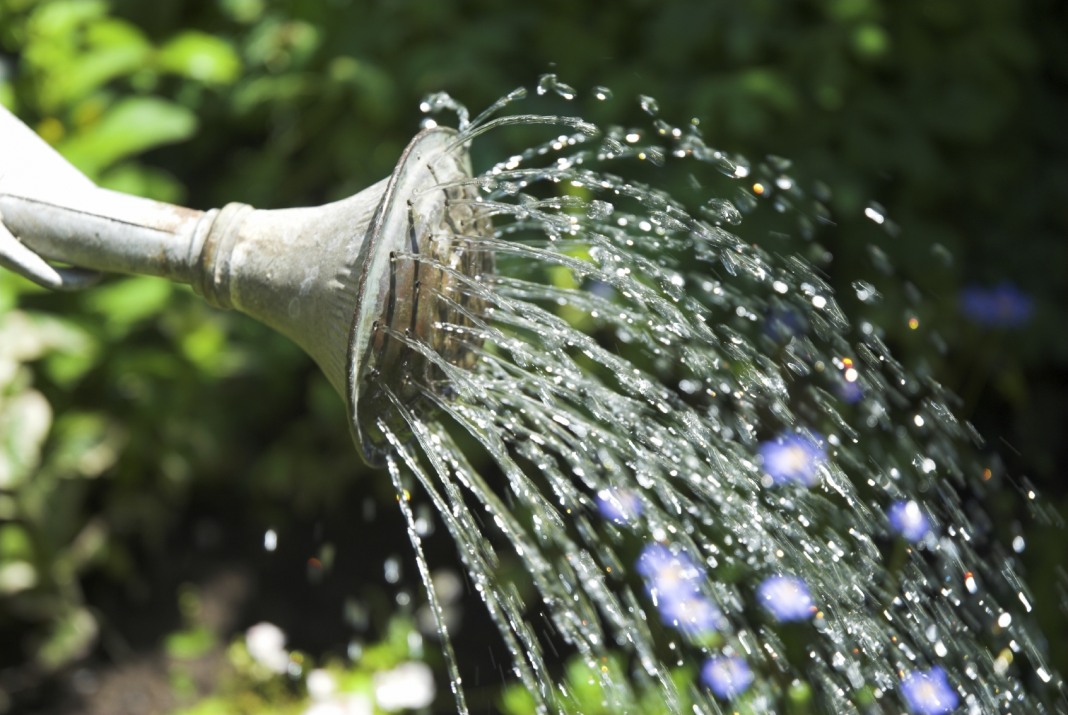
It is very important to let the water settle before use, and it should also be at room temperature.
Pest control
Like almost every vegetable plant intended for greenhouses, eggplant can be susceptible to various diseases and pest infestations.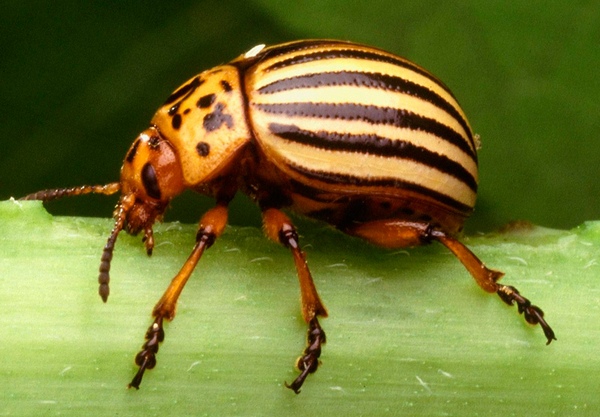
Mole crickets, slugs, various leaf-eating pests, as well as Colorado potato beetles, aphids, and spider mites can cause particular damage to the vegetative system of agricultural crops. Eggplants are also sometimes susceptible to viral infections and fungal growths.
All of these harmful environmental factors must be combated. Such infestations can usually be eliminated with the help of specialized fungicides. However, it is also recommended to take measures to protect seedlings from recurrence. It is recommended to remove plant debris from the greenhouse, pull out weeds, and dig the soil at appropriate times.
It's also very important to know how to properly rotate crops. Few people know that eggplants, for example, shouldn't be planted in a plot where you previously grew peppers. Greenhouse cultivation of eggplants is very profitable and yields good results, especially with such a delicate plant as eggplants.
Video: Diseases and Pests of Eggplants
This video will tell you about eggplant diseases and pests.