
How to shape eggplants in a greenhouse: useful tips
Content
Landing rules
Knowing how to train eggplant bushes isn't enough to ensure a good harvest—it's important to know the basic rules of cultivation and recognize common diseases. It's also a good idea to learn from experienced gardeners to learn key tips and tricks.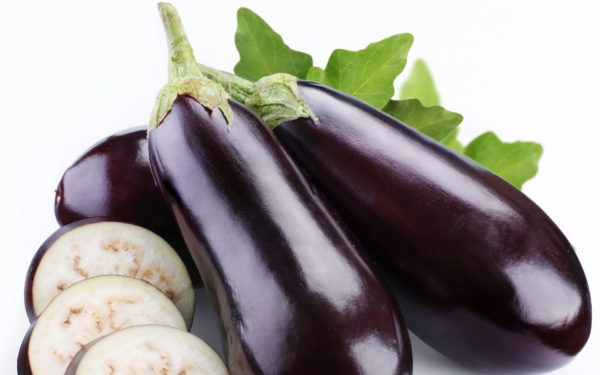
Eggplants are one of the most demanding crops when it comes to soil quality and composition: they absolutely do not tolerate highly acidic soil. Treating the beds with dolomite flour can help reduce acidity. Pre-planting soil preparation necessarily includes the following steps:
- digging the soil;
- removal of weeds and their roots;
- soil treatment with copper sulfate solution.
Just before planting the seedlings, apply fertilizer—compost or manure. If you prefer complex mineral mixtures, try to choose those that contain nitrogen and phosphorus.
Don't plant eggplants until the soil in the greenhouse has warmed to 15 degrees Celsius. Planting holes approximately 45 cm apart, with a distance of approximately 60 cm between rows.
The plant's seedlings are fragile; be sure to perform all planting operations with extreme caution to avoid inadvertently damaging the plant's delicate leaves, stems, or root shoots. 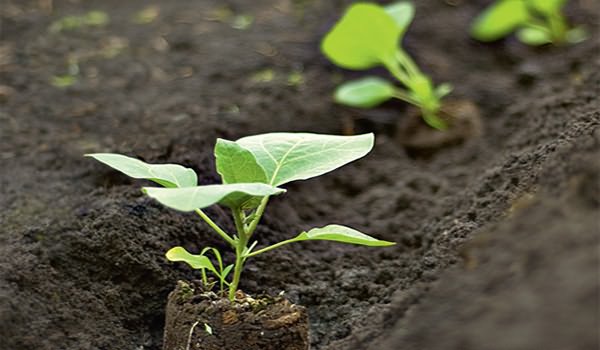 Once planting is complete, be sure to water the planting areas with a weak solution of potassium permanganate, adding a little Fitosporin. It's a good idea to sprinkle the beds with wood ash; all of this is a good preventative measure against the development of pathogenic microflora or insects.
Video: Growing Eggplants in a Greenhouse
This video will show you how to grow eggplants in a greenhouse.
Care
To ensure that eggplant formation and plant development proceed without any unpleasant surprises, it is important to avoid fluctuations in temperature and humidity within the greenhouse. It is best to maintain a temperature of around 25 degrees Celsius and humidity at no more than 70%.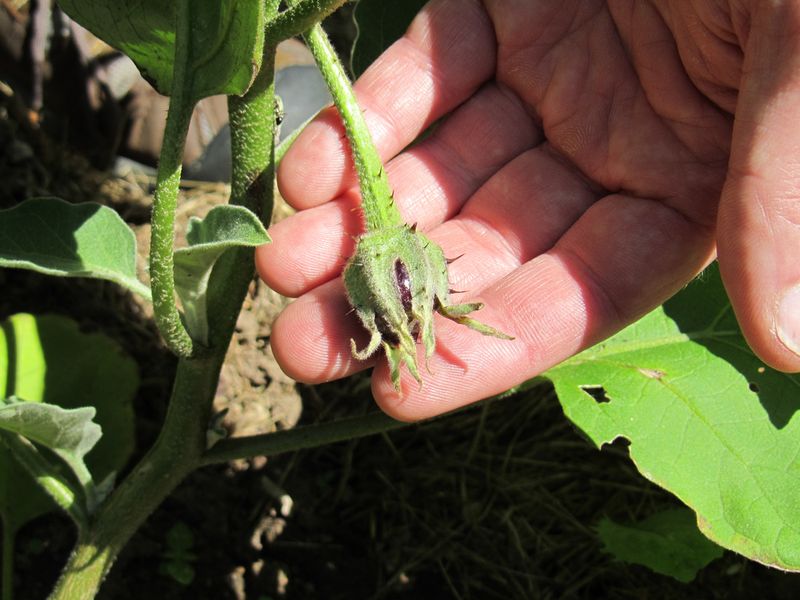
The crop also has watering requirements. Since the eggplant's root system is not very developed and is located close to the surface, certain rules must be followed when watering the beds:
- Watering should be done in the morning hours;
- It is important to maintain regular watering, not allowing the soil to dry out - this can cause problems with the development of fruits;
- water the eggplants with warm water, the temperature of which should be around 23 degrees;
- The optimal watering frequency is once every 7 days. Once ovaries begin to appear, you can move to a more intensive regimen – once every 3-4 days;
- Try to avoid getting moisture on the leaves of the plants.
For normal development of eggplants in greenhouses, 3-4 fertilizing sessions per cycle are sufficient. Avoid overdoing it with fertilizers, as this will lead to excessive foliage growth, at the expense of fruit development.
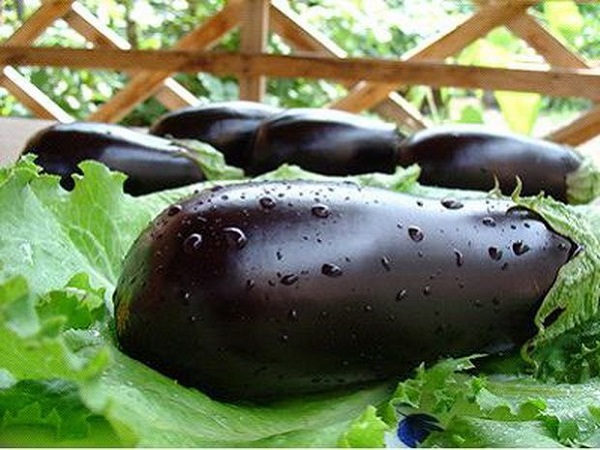
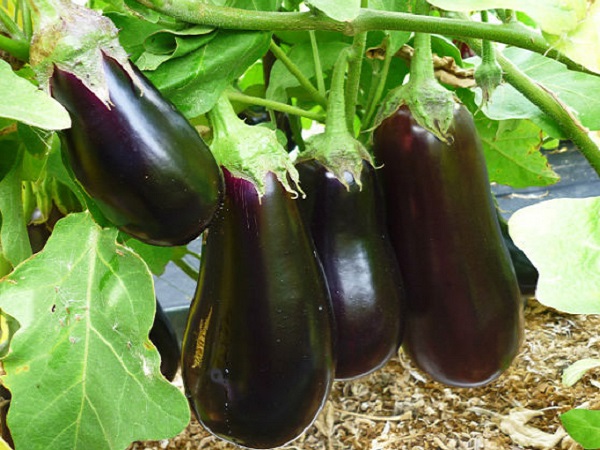
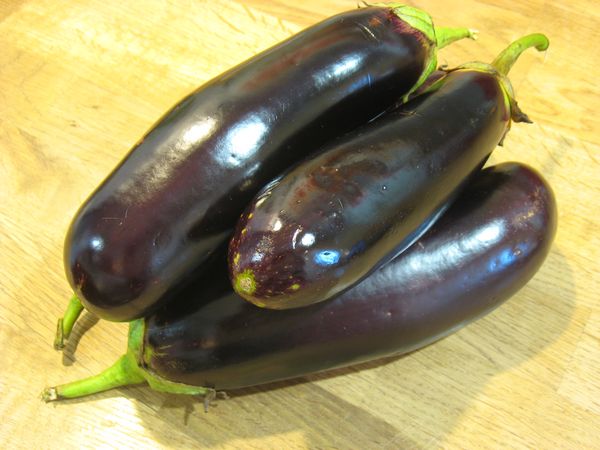
When it comes to pest control in greenhouses, it's not recommended to use chemicals. It's better to use folk remedies like wood ash, mustard powder, or ground black pepper.
Do I need to tie it up?
Greenhouse conditions encourage vigorous growth, unlike eggplant bushes grown in open beds. Therefore, the question of how to train eggplants in a greenhouse naturally arises. Without proper training, the plants begin to produce a large number of ovaries—more than they can support. Or, only the foliage may develop, while the ovaries themselves fail to appear or fall off before forming fruit. When side-shooting and pruning are performed promptly, the plant is able to direct all its nutrients specifically to fruit development. This approach not only accelerates ripening but also significantly increases fruit weight. And, of course, the plants need to be supported: eggplants have strong stems, but if a bush produces a large number of fruits at once, the stem may gradually bend toward the ground. However, staking is necessary for tall varieties; shorter bushes do not require this procedure.
Traditionally, gardeners tie the vines to stakes driven in next to each bush. Don't pull the string too tight—the stem should be loosely tied.
Stepsoning correctly
You can begin pinching out eggplant bushes two weeks after planting them in their permanent location in the greenhouse: carefully inspect each plant and remove any excess shoots that interfere with your chosen formation pattern.
Young shoots can be pinched off by hand; pruning shears can be used to remove overgrown shoots. If the weather is hot, lower shoots can be left on; they will protect the root ball from drying out.
About 1 month before the start of the growing season, you need to pinch the top of the main stem, so that the plants will have the opportunity to devote more energy to the formation of fruits.
Bush formation schemes
Eggplants can be grown in one or more stems: the first option is chosen if the main shoot is not strong enough or a low-growing variety of the crop is used.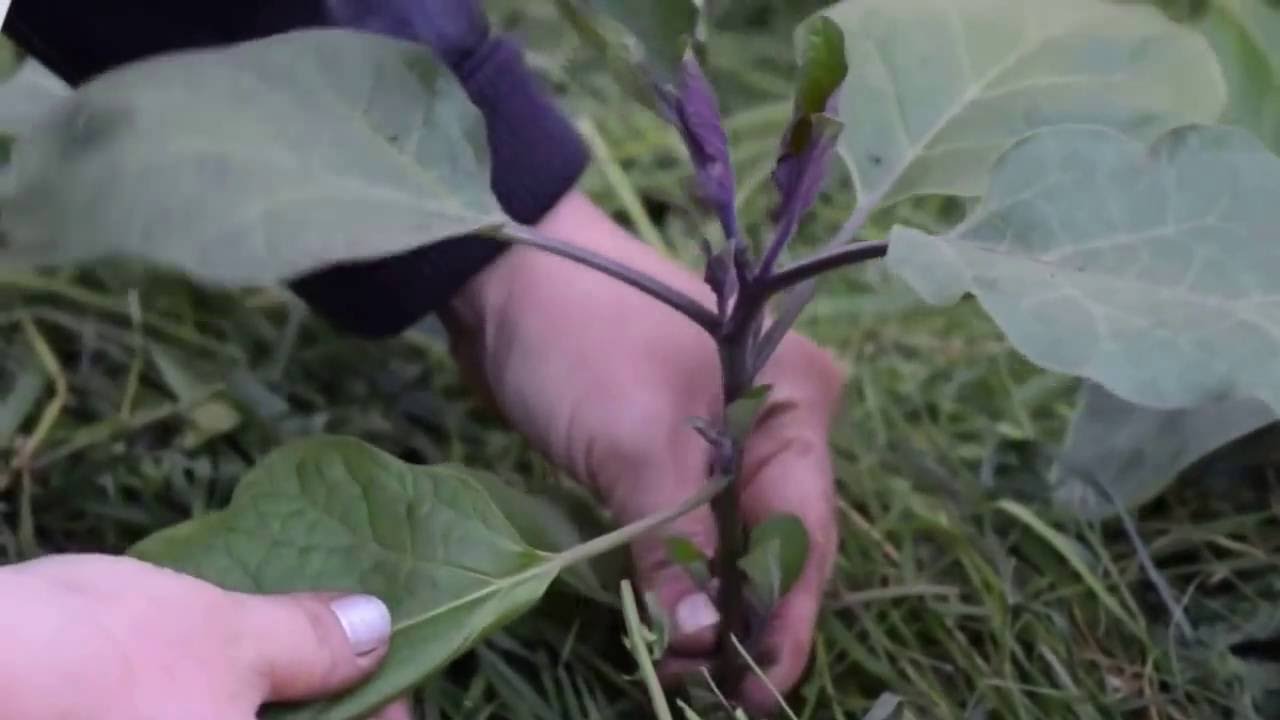
When the plant reaches 30 cm in height, pinch off the top to encourage side shoots to grow. Leave only one ovary on each branch, removing the stem tips. Experience shows that growing eggplants in two or more stems yields more abundant harvests than growing them in single-stem plants.
Video: How to Shape Eggplants
From the video you will learn how to form this vegetable in a greenhouse.