
How to prepare soil for planting eggplants?
Content
Soil preparation
Growing high-quality seedlings is only possible by following all planting rules and recommendations. Care for the young plants is also important.
As for sowing the seeds you've chosen for planting, it involves several steps. First, prepare the soil for sowing, disinfect the seed, and only then plant the seeds.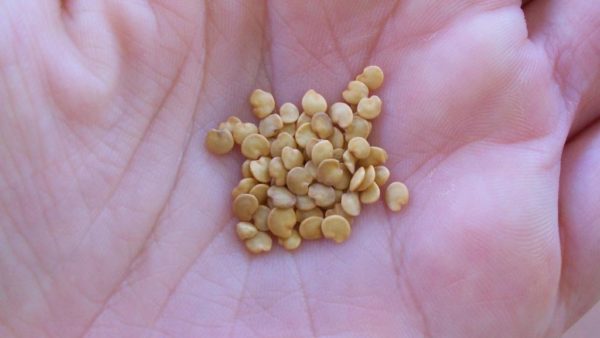
The soil for growing seedlings should be rich in nutrients. To achieve this, it should be fertilized. Furthermore, the soil for planting eggplants should have a neutral pH. Eggplants can be sown in soil taken from the garden, but it should contain a variety of nutrients. Vermiculite and a little sand should be added to the soil.
Homemade potting mixes should be disinfected, as they may harbor pathogenic microorganisms. To do this, steam the soil in a water bath or soak it in a weak solution of potassium permanganate.
These actions will help prevent black leg from appearing on plants.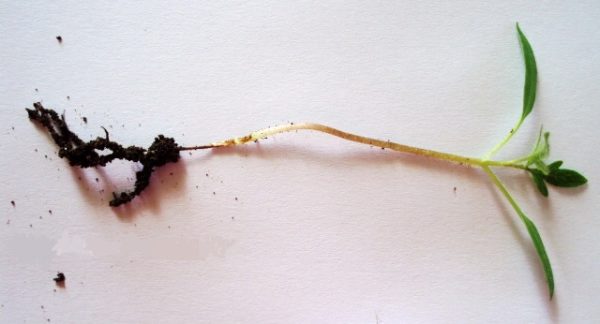
You can prepare the soil by simply mixing soil from the garden with purchased soil and sawdust.
Seedlings can be grown in trays, special boxes, or containers. Containers can be purchased at specialized retailers and filled more than halfway with soil. Afterward, the soil mixture is watered thoroughly and left for a few minutes.
Video: "Sowing Seeds for Seedlings"
This video will show you how to properly sow seeds for seedlings.
Sowing for seedlings
Once the soil for planting eggplant seedlings is ready, it is worth paying special attention to the preparation of the seed material.
Seed preparation is the next step in growing vegetable seedlings. Disinfection of the seed is no less important than caring for the young seedlings. Seeds should be treated in advance. If disinfection measures were not carried out beforehand, during seed preparation, the gardener will have to carry out the treatment before planting. To do this, simply prepare a 5% saline solution and place the seeds in it. Soak the seeds in the solution for 5 minutes. Any seeds that float to the surface should be discarded, as they are empty and will not germinate. After soaking in the saline solution, any remaining seeds should be rinsed with hot water for 20 minutes.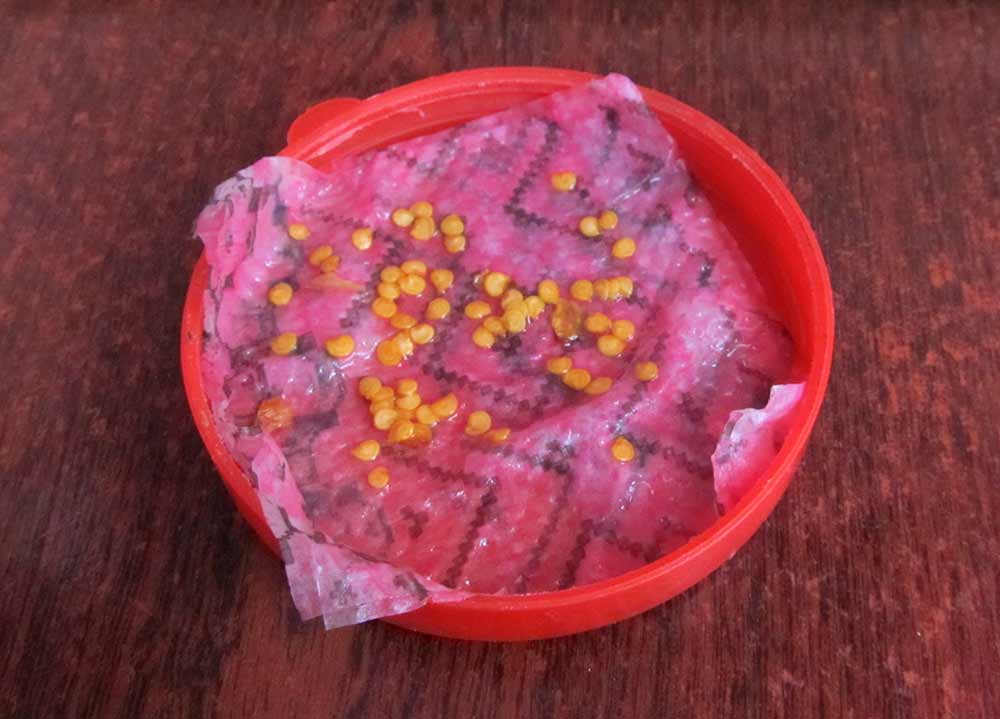
Pre-planting seed disinfection significantly accelerates seed germination. Without this procedure, the first sprouts will appear on the soil surface only three weeks after planting. Before sowing, the seeds should be soaked in warm water for at least half a day. After this, they are transferred to a damp cloth and placed in a warm place. They should then be left undisturbed until the first white sprouts appear. This condition of the seeds indicates that it is time to plant the seeds in the ground, especially since the soil has already been prepared. However, before planting the seeds in the soil, it is advisable to harden them. This can be achieved by freezing or by a sudden change in temperature.
Freezing involves placing the seeds, soaked in water, in the refrigerator for a couple of days. They should be kept in a location where the temperature is neither below nor above 0°C.
Regarding the temperature cycling method, it involves keeping the seeds at a temperature of 20°C during the day and 5°C at night. These temperature regimes will help the seeds become more resilient to various weather changes. This procedure will also speed up the harvest process.
As for planting technology, make holes in the prepared soil 0.01 meters deep and spaced 0.01 meters apart. After planting, cover the seed with soil, then cover the entire container with glass and place it in a warm, bright place.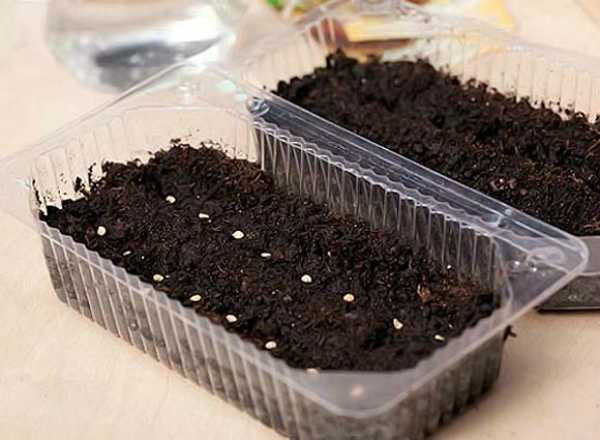
Do not germinate seeds near heat sources, as hot dry air inhibits the development of young sprouts.
Young eggplants should also not be pricked out, as they do not tolerate any kind of movement well. To avoid stressing the plants, place one seed per pot.
Seeds of individual varieties should be sown in separate individual containers. Each variety has its own specific germination time.
Caring for seedlings
Once the eggplants' seedlings have sprouted, remove the glass or plastic covering. The seedling containers themselves should be moved to a window, exposed to light. Proper development is only possible with consistent, regular watering.
However, excessive humidity and low temperatures can contribute to the development of blackleg. To prevent this, it's important to ensure the room is properly ventilated at all times.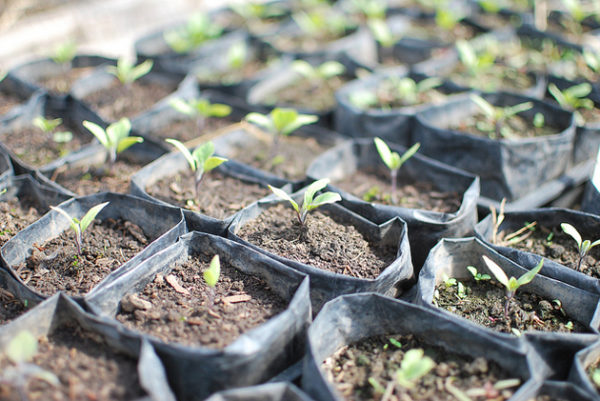
In winter, young seedlings require supplemental lighting, as insufficient light will cause them to stretch and become weak. Two weeks before transplanting into open ground, the young seedlings should be hardened off.
In any case, the temperature should not drop below 11°C. To achieve this, young plants can be placed on a balcony or in a greenhouse. However, it's worth extending the period of time the plants are exposed to the outdoors each day.
Before transplanting to a permanent location, inspect all the seedlings and weed out any weak ones. If grown correctly, the plants will grow strong and tall (up to 0.3 meters).
To produce high-quality seedlings, seedlings need to be fertilized. Both mineral and organic matter can be added to the soil.
Before applying, dilute the nutrients with water. Plants should be fed for the first time when the first leaves are forming. Ready-made mixtures consisting of superphosphate, ammonium nitrate, and potassium nitrate can also be used.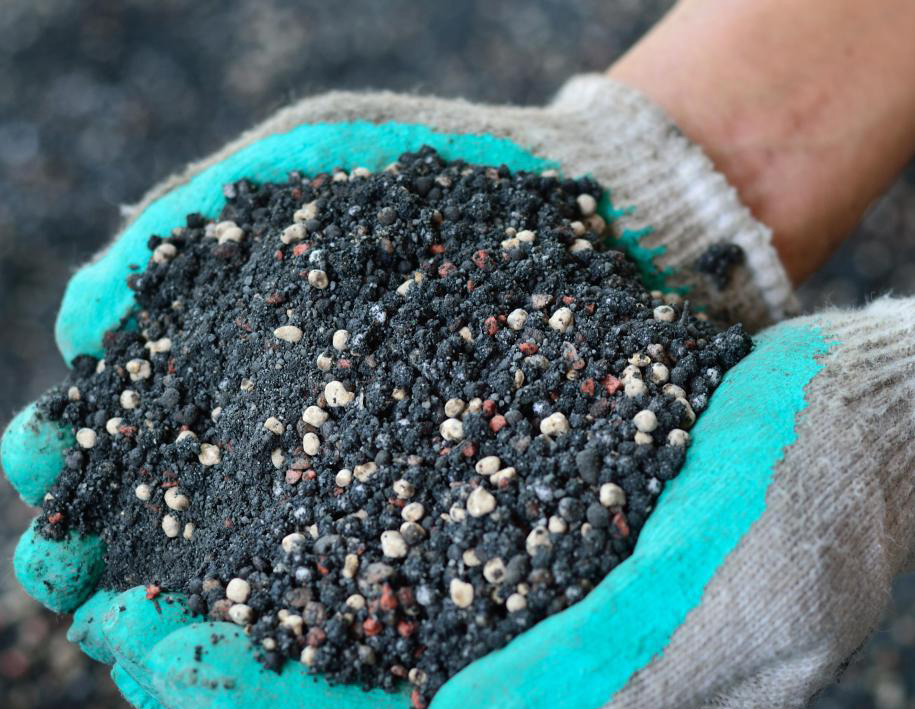
Fertilize again 10 days before transplanting the eggplants into the soil. For this purpose, you can mix superphosphate and potassium salt.
The soil itself also requires nutrition. To do this, add superphosphate, ammonium sulfate, and potassium chloride.
Those who prefer not to use chemicals can fertilize the vegetable with wood ash. Apply a teaspoon of ash under each eggplant. Be careful not to let the ash come into contact with the stems, as this can burn them. Afterward, sprinkle the ash on the soil and water. Fertilizing with ash yields the best results when the young plants are about a month old.
The plant requires regular, adequate watering. Because the vegetable has large leaves, moisture evaporates rapidly. After the young plants emerge, they should not be watered immediately. It's best to hold off on watering for a couple of days. Only warm water should be used. Using a watering can with a small neck prevents weak plants from being washed away. On the third day of life, the plants can be watered for the first time. Thereafter, watering should be done every five days, only in the morning.
The soil should not be allowed to dry out or become overly wet. During summer and drought periods, watering can be done more frequently. Afterward, loosen the soil.
Planting in the ground
Only those plants that have developed a strong root system and a strong stem can be transplanted into open ground. It's a good idea to see the first buds appear on the seedlings.
Before planting, make furrows in the soil and water them thoroughly. The seedlings are moved into the holes along with the root ball. If the seedlings were grown in peat pots, then the plants can be placed directly in these containers.
So, by following the growing technology and all the recommendations, you can get excellent eggplant seedlings, and then a rich vegetable harvest.
Video: Planting Seedlings in the Ground
This video will show you how to properly plant eggplant seedlings in the ground.