
Eggplant "Fabina F1": growing characteristics of the variety
Content
Description
The variety description indicates that these eggplants are ultra-early—from planting the seedlings to the first fruits, only about fifty days pass. The plant forms a medium-height bush—about 60 cm—with a spreading habit. Remarkably, these plants require no additional support or tying. Each bush can produce up to nine fruits simultaneously.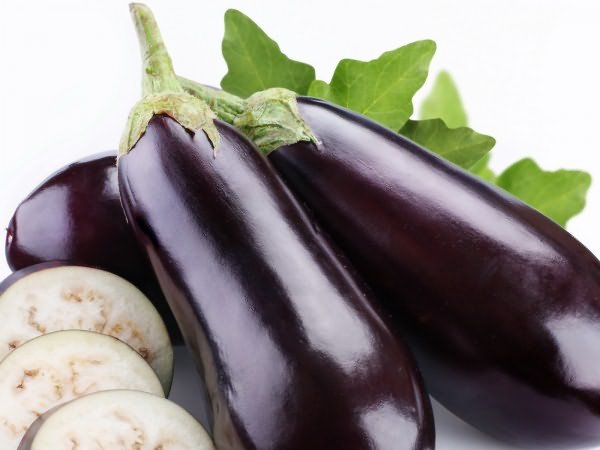
Fabina f1 has proven itself to be an excellent choice for both open-field and greenhouse cultivation. Its resistance to various pathogens is particularly appealing to gardeners, including novice amateurs. Plants of this variety are rarely attacked by spider mites and are virtually free of diseases common to other crops in its group.
Fabina eggplants do not like dense plantings; the crop demonstrates better yield indicators if the plants are provided with sufficient space. The average yield for this hybrid is six tons per hectare of planting.
Video: How to sow eggplant seedlings
This video will show you how to properly sow eggplant seedlings.
Description of the fruit
The Fabina eggplant variety produces multiple, elongated, cylindrical fruits with skin that is a deep, dark purple. By the time the vegetables reach maturity, a characteristic glossy sheen appears on the surface.
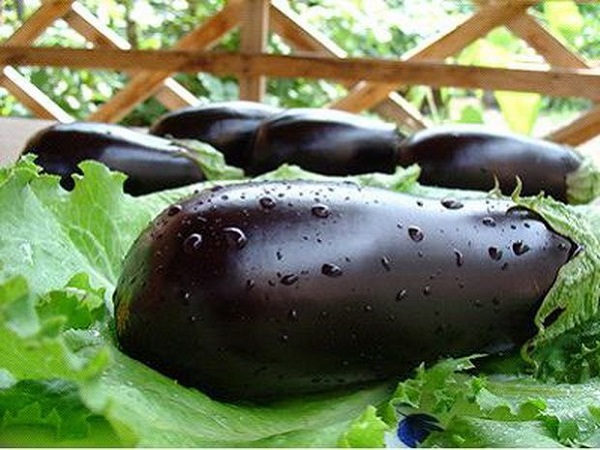
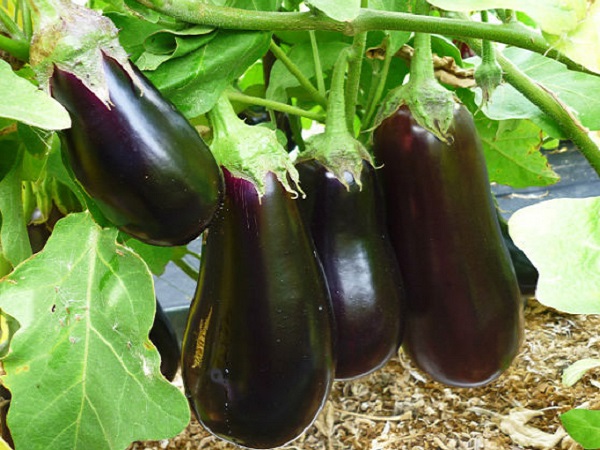
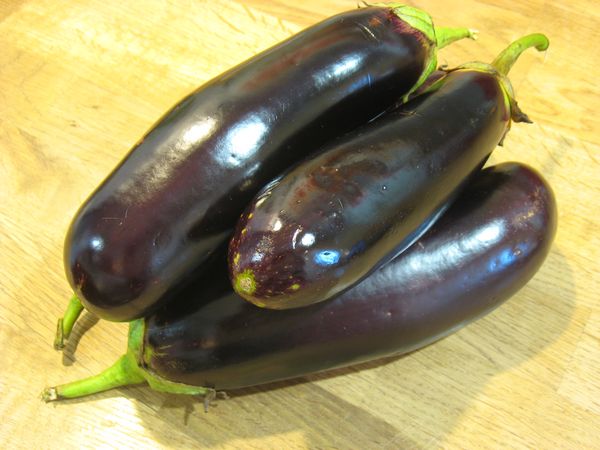
Another advantage of this variety is the uniform size of the fruits, which reach 22 cm in length and approximately 6 cm in diameter. When ripe, the eggplant boasts a thin, tender skin covering dense, slightly greenish flesh, which has absolutely no bitter taste.
Features of cultivation
The Fabina hybrid produces its best results when grown from seedlings. This process is not much different from cultivating other eggplant varieties: seeds are sown in prepared containers with nutritious soil mix, transplanted into individual containers when they have 2-3 true leaves, and transplanted to a permanent location after three pairs of leaves have appeared. Remember that eggplant is a heat-loving crop, so try to avoid over-chilling the seedlings. Both seedlings and newly established plants do not tolerate lack of moisture, so be sure to water regularly to prevent the soil around the plant from drying out. However, don't overdo it—eggplants also don't tolerate excess water.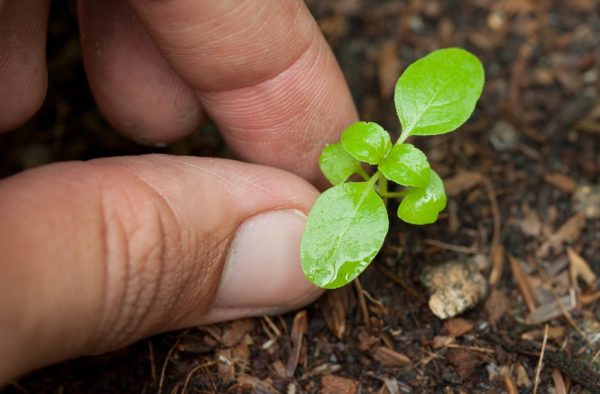
When planting seedlings in their permanent location, be sure to mulch the area to prevent premature moisture evaporation. Given that Fabina is a short plant, spacing the holes about 60 cm apart is sufficient.
If you're not entirely sure that nighttime temperature drops won't harm your eggplant beds, it's best to provide some cover—for example, by stretching a layer of plastic over the planted plants and protecting them at night.
Care
Caring for eggplants of the Fabina f1 variety is based on the following rules:
- Regularly loosen the soil in your eggplant beds, preventing it from forming a dense crust on the surface. This is especially important after heavy summer rains;
- if necessary, water the plants using water heated by the sun;
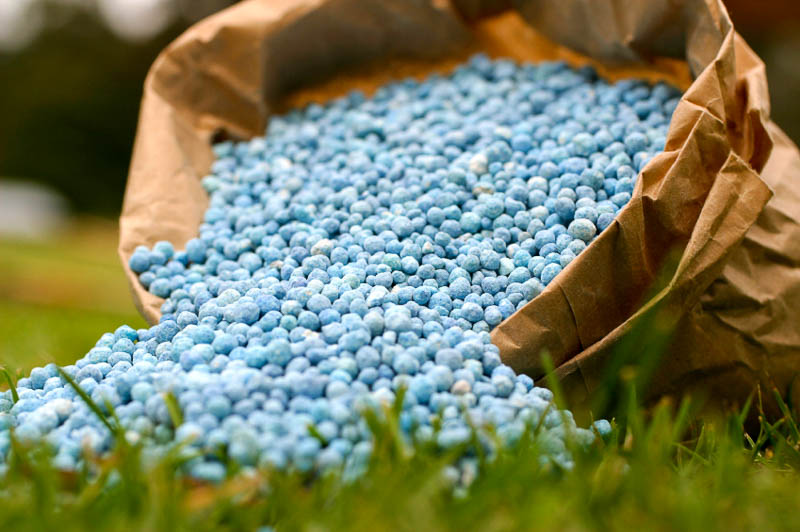
- During one season, three feedings should be sufficient for the crop (for this, you can use both complex mineral and organic fertilizers) - the first time, nutrient mixtures are added 10 days after planting the plants in a permanent place, the second time - after another 20 days, and the last - at the beginning of the fruiting period;
- Weed regularly – weeds not only rob eggplants of nutrients but also provide a breeding ground for many pests. By removing weeds, you minimize the risk of pest infestations;
- Regularly inspect the eggplant bed for signs of disease; if any are detected, take appropriate control measures immediately;
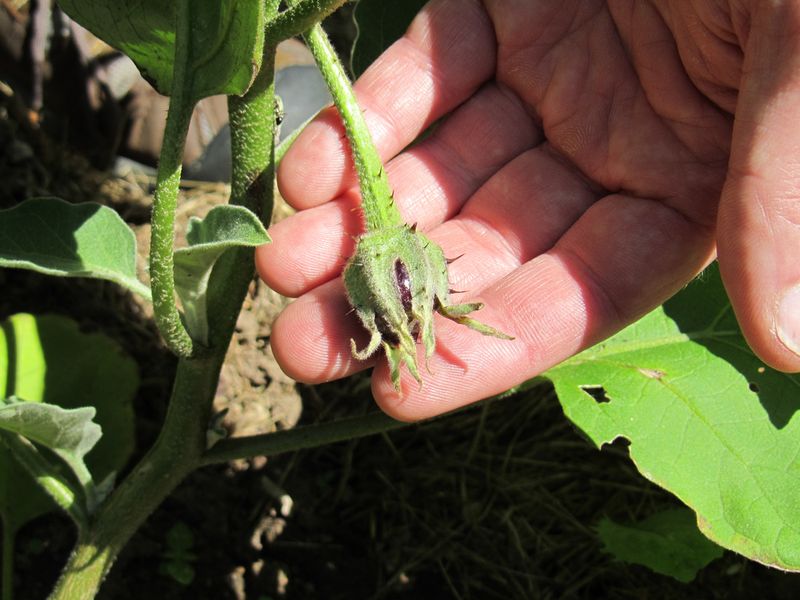
- We must also not forget about the need to hill up the plants – this procedure stimulates the development of additional root shoots, which has a positive effect on crop yield.
Harvesting
The Fabina eggplant variety is ready to harvest approximately 30 days after flowering. By this time, the fruits have already acquired their characteristic color, and the skin has acquired its traditional glossy sheen.
Don't leave fruit in the garden beyond the recommended time—overripe vegetables will develop an unpleasant brown tint, and their flesh will lose its nutritional value and flavor. Plants with unripe fruit can be dug up and moved to a protected greenhouse.
If the root ball is intact, they are quite capable of producing fruit. Harvesting is done with a knife or pruning shears, cutting off the fruit along with the stem, carefully avoiding the shoots of the plant itself. It's best to use or process the harvested eggplants soon—they're not a vegetable that stores well.
Video: Growing Eggplant in the Ground
This video will show you how to grow eggplants in the ground.