
How many days does it take for eggplants to sprout? How to increase germination
Content
How long does it take for seeds to germinate?
The first shoots will appear provided you've created the optimal microclimate for growing the plant. Temperatures should be consistently high, but they can germinate even at 15 degrees Celsius, although it may take a little longer.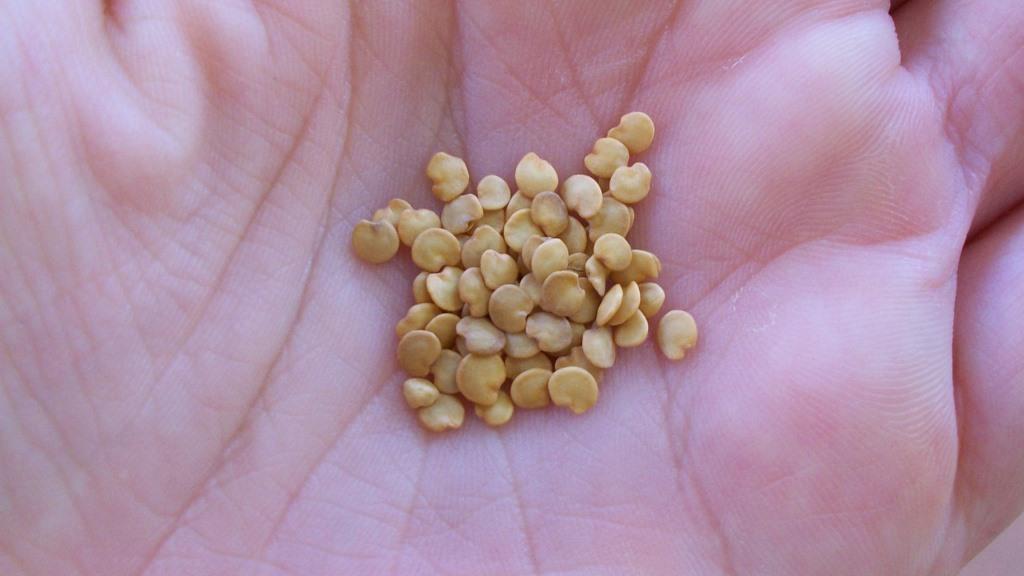
What else determines how quickly seeds emerge? It depends on how deep they're planted. If you overdo it, and the seeds are too far from the topsoil, they'll take significantly longer to emerge. Generally, try to maintain a distance of 1.5-2 cm.
Video: Seed Preparation
This video will show you how to properly prepare seeds for growing eggplant seedlings.
How to increase germination
The germination of home-grown eggplants can be made much more productive if the seeds are properly prepared for sowing in advance.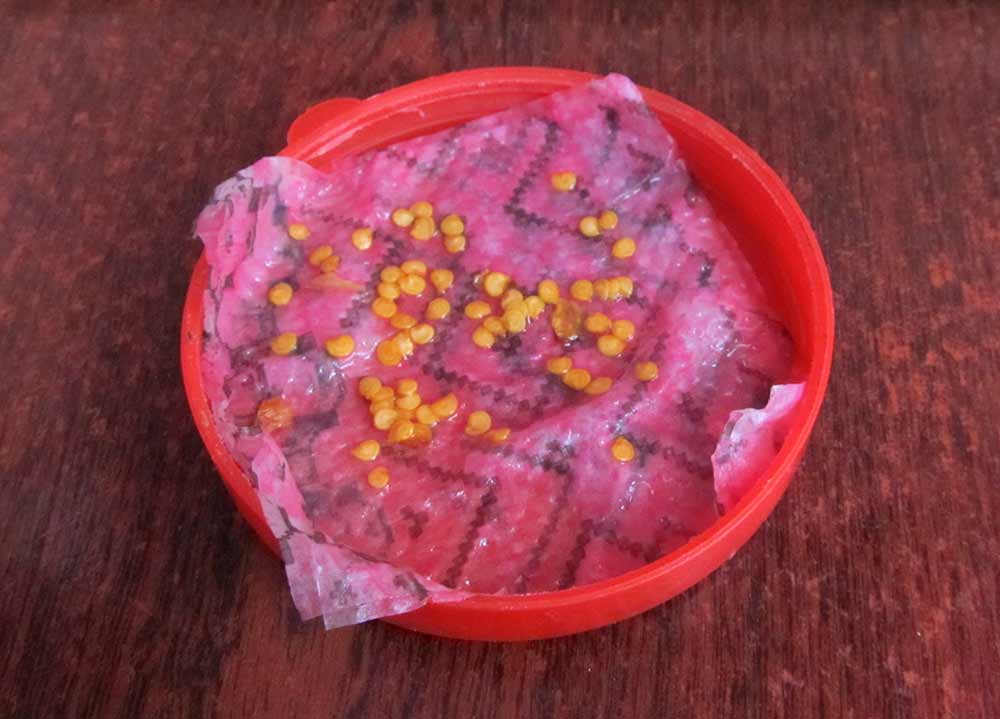
For example, select about 10 seeds from the main seed, wrap them in a damp cloth, and leave them for a while. They should sprout within a few days, and if so, they're safe to sow in the ground. Moreover, it will be enough to notice the "vitality" of at least five out of 10 sprouted seeds. In this case, you will be able to grow full-fledged seedlings.
When and how to plant seeds
Experienced farmers understand that when choosing the optimal planting dates, it's recommended to calculate the approximate number of weeks before transplanting young plants. In most cases, at least 90 days should pass between sowing seeds in the substrate and transplanting them into the ground. Much will also depend on the climate in your region: if warm weather arrives early, you can sow eggplant seeds as early as late February; otherwise, mid- to late March.
Rules for correct landing
It's not enough to know how many days it takes for eggplants to sprout. You need to ensure a proper planting process and consider the subsequent care of the seedlings. First, decide how you plan to plant the seeds: with or without subsequent transplanting. 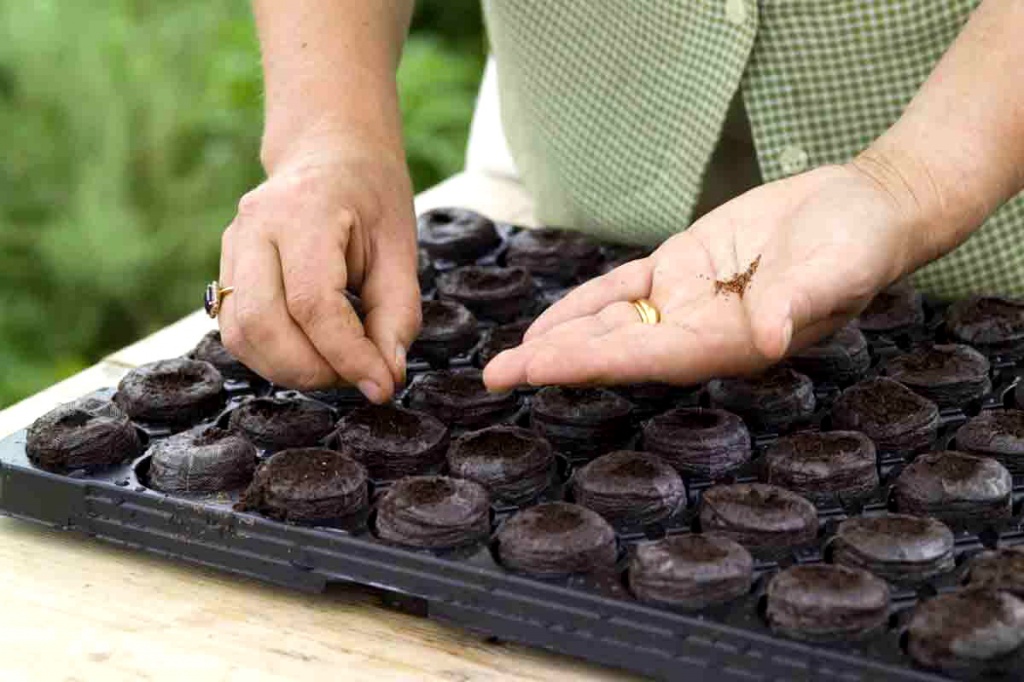
Remember that eggplant's root system is quite weak and sensitive, so you can unintentionally damage the roots during transplanting. Therefore, it's best to transplant eggplants into individual pots immediately to avoid having to transplant them later.
Why don't the seeds germinate?
Your eggplants sometimes take a long time to sprout. This can be a source of concern for any farmer. Don't assume that such problems are limited to novice gardeners. Even experienced gardeners often encounter them. First, you need to determine the cause of these problems and then address it. There can be many possible causes.
Poor quality seeds
What should you do if time passes and no seedlings appear? It's quite possible that the problem is due to poor quality seed material. This can result in partial germination or even failure to emerge from the ground at all. Therefore, try to purchase seeds from reputable producers to ensure your efforts are not wasted.
Incorrect landing
It's crucial to follow even seemingly minor recommendations from experts. For example, try not to plant the seeds too deep. Otherwise, they may sit in the ground for a long time or not emerge at all. Therefore, don't ignore such advice.
Incorrect watering
Overwatering can cause even more damage than a temporary drought. This is because when the soil is saturated with large volumes of water, it gradually becomes clogged, loses its looseness, and prevents fresh air from penetrating.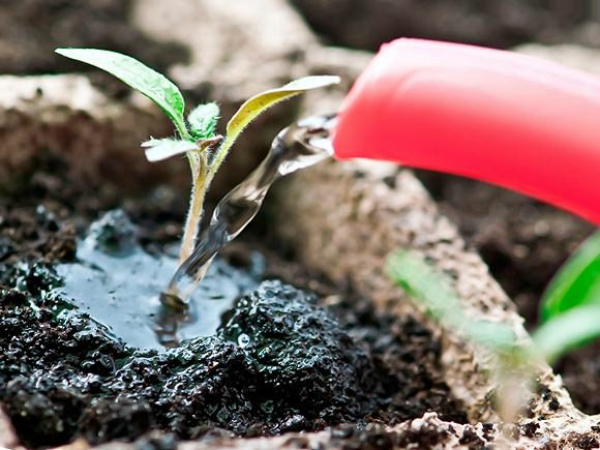
This can negatively impact the growth and development of your eggplants. Water only after you notice the skins drying out. Another important consideration for every grower is the need to ensure drainage at the bottom of the soil containers. This will prevent moisture from stagnating in the soil.
Incorrect temperature conditions
To ensure timely germination, it's also recommended to ensure optimal temperature conditions. If temperatures drop below 15 degrees Celsius, don't even hope for a harvest. The most favorable temperature is 25 degrees Celsius.
Every farmer is advised to pay special attention to the eggplant growing process, whether you decide to sow the seeds in open ground or plant them in a greenhouse. But the effort required to ultimately reap a good harvest doesn't end there.
It's essential to create an optimal microclimate, especially in a greenhouse. This will ensure the seedlings emerge quickly. Try to regularly ventilate the greenhouse, as fresh air will have a beneficial effect on the plant's vital processes.
Sometimes seedlings sprout but look sickly due to poor lighting. How can you tell if this is the cause? The symptoms are unmistakable: the leaves turn white, and the seedlings begin to stretch and weaken. Try to correct this as soon as possible if you want to save your eggplants and reap a bountiful harvest in the height of summer.

Video: How to germinate seeds
This video will show you how to properly germinate eggplant seeds.