
How to feed eggplant seedlings to get a good harvest?
Content
General rules
In our region, eggplants are grown exclusively from seedlings, so for more than half of their growing season, the plants are kept in cramped conditions, lacking light and space. As soon as the sprouts develop a couple of true leaves, they are usually pricked out, which also weakens the seedlings and temporarily halts their growth. After transplanting into the ground, which also places stress on the seedlings, flowering and fruit ripening begins. During all these important periods, proper, balanced nutrition is essential to maintain and preserve the plants' health.
Fertilizing eggplants should begin when preparing the soil. For normal seedling development, the soil must contain sufficient nitrogen, potassium, phosphorus, manganese, iron, and boron. If the soil lacks these elements, the seedlings will grow weak, which will negatively impact the yield. It's also important to ensure the soil has a fertile organic layer, so when preparing the soil for eggplants, combine organic matter (humus, peat, compost) with mineral fertilizers (superphosphate, ammonium sulfate, nitrophoska, potassium salt).
The seedling life cycle can be roughly divided into two periods: before and after transplanting. If the substrate has been properly prepared, fertilizing is not necessary during the first period (before transplanting). However, this is only possible if the seedlings are strong and healthy. If they are thin and light-colored, fertilizing with nitrogen- and potassium-containing fertilizers is necessary 7-10 days after germination.
After transplanting, the seedlings are given another feeding. Ready-made fertilizers such as Ideal, Kemira Universal, and Bioton are suitable for this stage. They are diluted at a concentration of 1 teaspoon per 5 liters of water and applied during watering, avoiding contact with the leaves. After transplanting into the ground, eggplants should be fertilized 2-3 more times: during flowering and fruiting, as well as during fruiting. All fertilizing should be done in the morning or evening, using warm water for the solutions.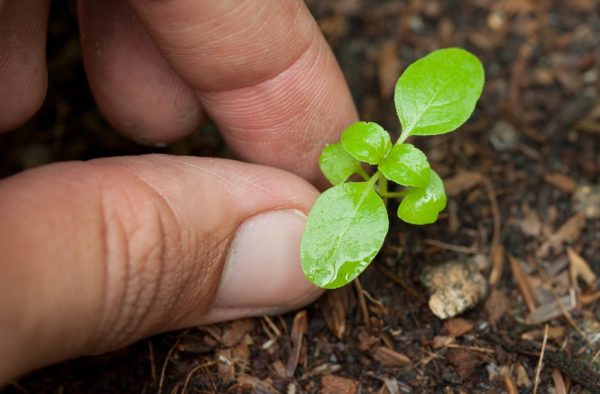
While eggplants are growing, liquid fertilizer should be applied to the roots. Later, after transplanting into the garden, a couple of additional foliar feedings are acceptable. During flowering and fruiting, eggplants can be sprayed with calcium chloride, boric acid, or ash. These fertilizers will help the plants grow stronger, maintain their greenery, and prolong the fruiting period. However, it's important to understand that an excess of nutrients is just as harmful to eggplants as a deficiency, so don't overdo it.
Video: "Natural Fertilizers for Eggplants"
From this video you will learn how to feed eggplants.
First feeding
As already noted, the timing of the first feeding depends on the composition of the substrate in which the seeds are sown. Some people fertilize eggplant seedlings before transplanting, while others do so afterward. It all depends on the condition of the seedlings and the gardener's preference. In any case, the first scheduled feeding should be carried out 20 days after germination, if not earlier. By this time, the roots are sufficiently developed to absorb and assimilate all the nutrients.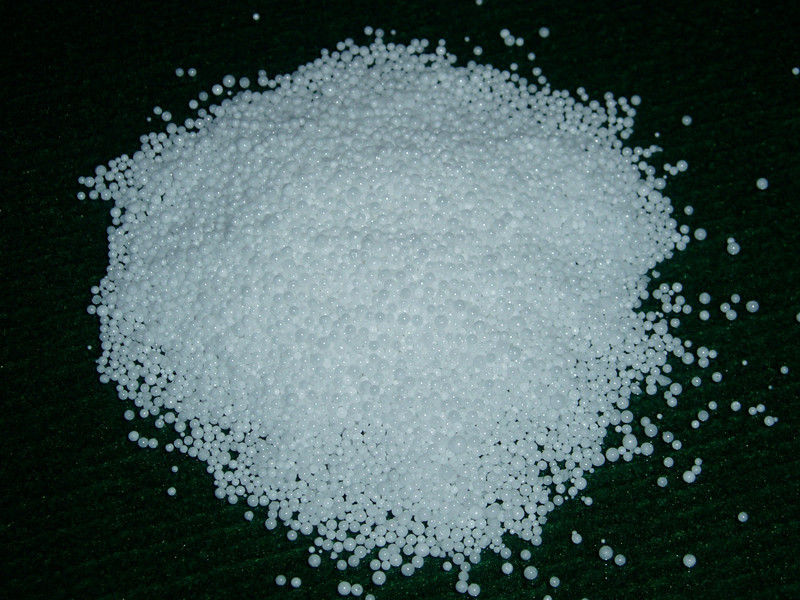
For the first time, it's recommended to feed eggplants with mineral complex mixtures containing nitrogen, potassium, and microelements. There are several options:
- potassium nitrate (30 g/10 l of water);
- Kemira-Lux (20-30 g/10 l of water);
- 30 g potassium nitrate and 10 g superphosphate/10 l water;
- 15 g superphosphate, 30 g foscamide and 15 g potassium nitrate/10 l water;
- ammonium nitrate (1 teaspoon), superphosphate (3 tablespoons) and potassium sulfate (2 tablespoons)/10 l of water.
Second feeding
The second feeding of seedlings is done 2-3 weeks after the first, but many gardeners do this shortly before transplanting the plants into the garden bed or greenhouse. Feeding the seedlings at this stage will help them prepare for the upcoming transplant and facilitate their adaptation to the new location. 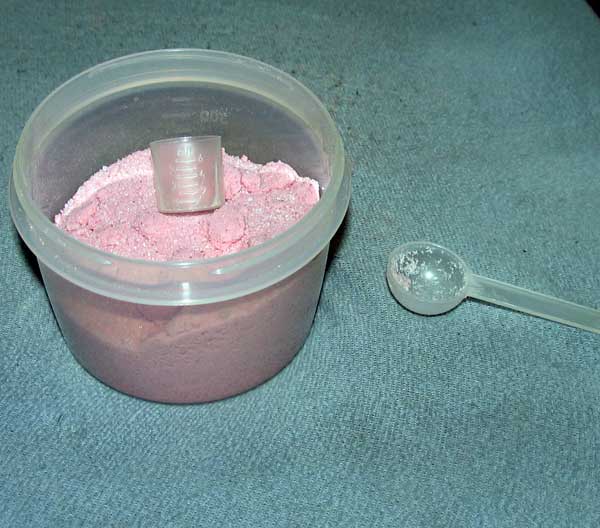 You can use both mineral and organic fertilizers, or a combination of both. Possible options:
- Kemira-Lux or Kristalon preparations are diluted in a concentration of 20 g/10 l of water;
- in 10 liters of water, dissolve 60 g of superphosphate and 30 g of potassium salt;
- yeast feeding - pour 15 g of dry yeast into 10 liters of warm water, leave for 10-12 hours, dilute with water 1:10 before watering;
- mix a solution of mullein (1 l) with 0.5 l of liquid manure, add a glass of ash - the mixture is diluted with water in a ratio of 1:5 before use;
- Green fertilizer - pour 5 kg of chopped grass with 8 buckets of water, add 1 bucket of mullein and 10 spoons of ash, leave for about a week (until the fermentation process is complete), then dilute with water 1:10 and use for watering.
Picking seedlings
Pricking out (transplanting into a separate container) is done to provide plants with more space, which in turn allows for better light, nutrition, and root development. Gardeners have varying opinions on the need for pricking out eggplants.
Some consider this procedure completely unnecessary, putting the seedlings under severe stress, and sow the seeds directly into separate containers: trays, peat tablets, or disposable cups. Others, on the contrary, believe that pricking out prevents the seedlings from stretching, makes them stronger, and allows them to discard unsuitable seedlings at this stage.
Both opinions are valid, but it's worth noting that eggplants are truly the most capricious of all plants when transplanted. Their roots are poorly developed, and the slightest damage can cause the seedlings to become diseased or even die after transplantation. Therefore, the procedure must be carried out carefully and with proper technique.
Eggplants begin to be pricked out when they have 2-4 true leaves. A couple of hours before transplanting, water the seedlings thoroughly to prevent soil from collapsing and damaging the roots. Fill the pots halfway with soil mixture and water with a nutrient solution (Gummi, Kemira-Lux, Kornevin), or simply sprinkle with 1 teaspoon of ash. 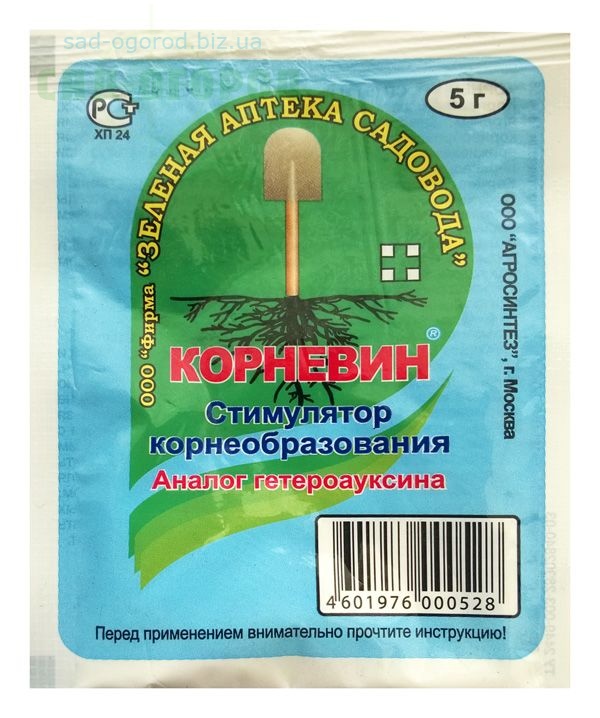 Next, carefully separate the sprout using a spatula and transfer it to a new pot. The plant is planted deep down to the cotyledon leaves and watered after planting. The seedlings should be protected from the sun for 5-7 days. Transplanting into the ground occurs 55-60 days after germination.
Third feeding
The third time, eggplants are fed 7-10 days after transplanting to a permanent location.
By this time, buds have typically formed on the plants and the flowering process has begun, and applying fertilizer at this stage of the growing season will promote the formation of more flowers and ovaries. At this stage, a combination of mineral and organic fertilizers can also be used.
The following feeding options are possible:
- 0.5 l of liquid manure, 10 g of dry yeast, a half-liter jar of chopped nettle, pour 10 liters of water and leave for 3-4 days, then dilute in a ratio of 1:10 with water;
- superphosphate (30 g), urea (20 g) potassium chloride (10 g)/10 l of water;
- mullein (1 l), liquid manure (0.5 l)/10 l of water.
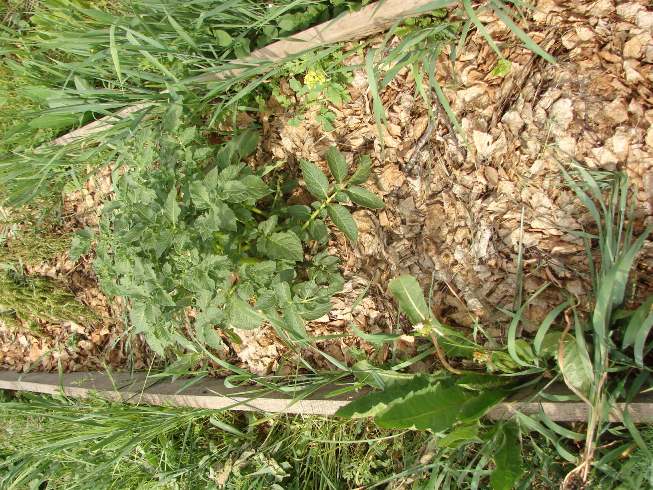
The nutrient solution consumption rate is 1-1.5 liters per plant. Eggplants should be fertilized for the fourth time during the ripening period. This is not a mandatory scheduled fertilization; however, applying potassium fertilizer at this stage will improve the quality and flavor of the ripening eggplants.
Video: Caring for Eggplants
This video will show you how to properly care for eggplants.