
How to feed eggplants: all the intricacies of growing
Content
How to feed
During their growth, eggplants are particularly demanding of soil. Regular, but not excessive, watering is essential. If the plant doesn't receive enough water, its trunk will become stiff, and the flowers will fall off the bush, as will the ovaries of the future fruits. Avoid watering the plant with cold water, as this negatively impacts the plant's development, inhibiting its development. Watering should be done weekly with warm water by spraying (a bucket of water per unit area).
If the crop is growing in a dry climate, it needs to be watered twice as often. During flowering, water at a rate of 12 liters per unit area, or twice a week. During flowering, water only the roots. During watering, it's important to regularly ventilate the room where the eggplants are grown. This procedure will help avoid excessive humidity in the greenhouse, which negatively impacts the vegetable. Each watering ends with loosening the soil to a depth of 0.06 meters. Hybrids in a greenhouse or open ground require frequent feeding. Failure to add nutrients can significantly impair the development of the vegetables. Therefore, the quantity and quality of nutrients must be carefully considered.
The frequency and type of fertilizing directly depend on the vegetable's development stage. If the soil is not fertile enough, the first fertilization should be done two weeks after planting the seedlings in their permanent location. In this case, the fertilizer should be a mullein solution mixed with water at a 1:10 ratio. This substance can be replaced with manure or mineral fertilizers mixed with the same ratio. The next fertilization should be done at the very beginning of fruit formation. At this time, eggplants need phosphorus and potassium. Fertilize with the same solution as the first time, adding a fertilizer containing these elements. Repeat the fertilization after two weeks.
During the plant's flowering and fruiting period, it is worth adding nutrients in parallel with sprinkling the area with wood ash in a ratio of one glass per unit area. Fertilizing the roots of the crop should be carried out only when the soil is well moistened.
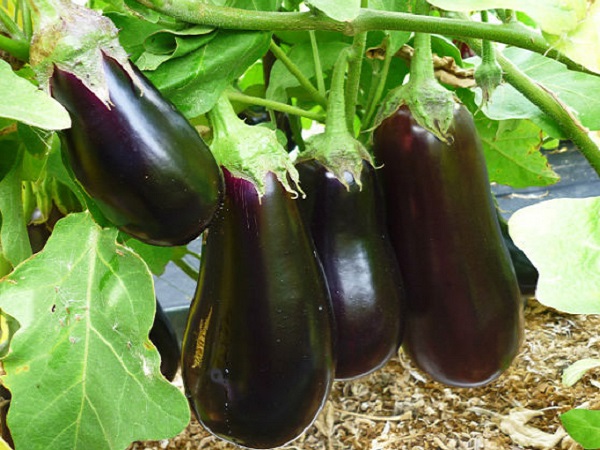
Therefore, the soil should be watered generously the day before the procedure. After all the work is completed, the soil should be thoroughly loosened. The first fruits can be harvested a month after active flowering. You can tell that the eggplants are ripe by the size and color of the fruit.
Video: "How to Feed Eggplants"
From the video you will learn how to feed this vegetable.
When to feed
Fertilizing eggplants will only benefit their growth if applied at the right time. During the growing season, from sowing to flowering, it's recommended to fertilize them about four times. The last time nutrients are added to the soil is during fruit formation and development. After all, these nutrients have a positive effect on the future harvest.
The first substantial feeding occurs 20 days after the young shoots have established themselves. At this time, the root system is well developed and capable of absorbing and assimilating all the nutrients from the soil. This fertilization helps the plant grow faster and gain weight. As a result, the seedlings can be transplanted to their permanent location.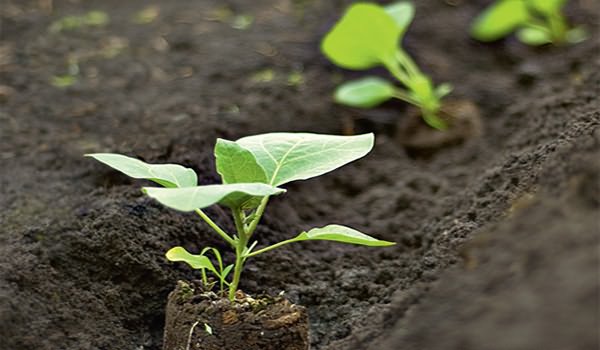
The next time you should fertilize your plants is when planting them in a greenhouse or exposed soil. In this case, the nutrients will help them adapt more quickly to the new conditions, strengthen their immunity, and increase their resistance to diseases and sudden temperature fluctuations. During this time, the plants continue to actively develop foliage and prepare for fruiting.
The third feeding should be done before flowering begins. If numerous fertile flowers are produced, the plant will not be able to develop them all without additional feeding.
The last time fertilizer is applied is during the period of active fruiting. Don't neglect this feeding, as it positively affects the shape, weight, and taste of future vegetables.
What's missing
If you neglect fertilizing your eggplants or do it haphazardly, you shouldn't expect an increase in yield or fruit size. If the plant suffers from a nutrient deficiency, its fruits will become smaller and lose their shape. Furthermore, they may not develop at all.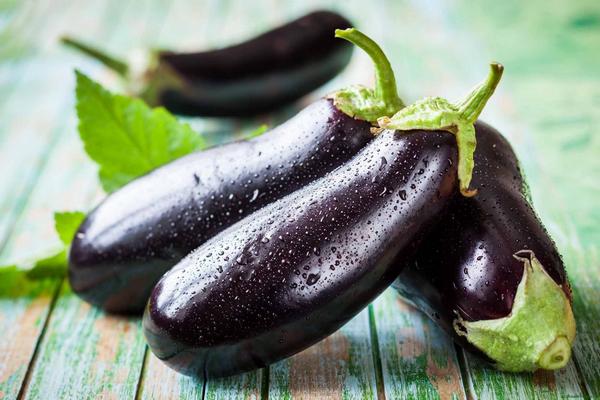
Before choosing a fertilizer, you need to determine what exactly your plants are lacking. This is easy to determine: just conduct a careful visual inspection of the plants.
Nitrogen deficiency
A nitrogen-starved crop has small leaves with discolored leaves. Plant parts typically become dull and then fall off. Fruit ripens very slowly. Those that do develop are deformed, small, and poorly attached to the plant. The harvest can be revived by applying nitrogen-containing fertilizers. Urea is excellent for this purpose.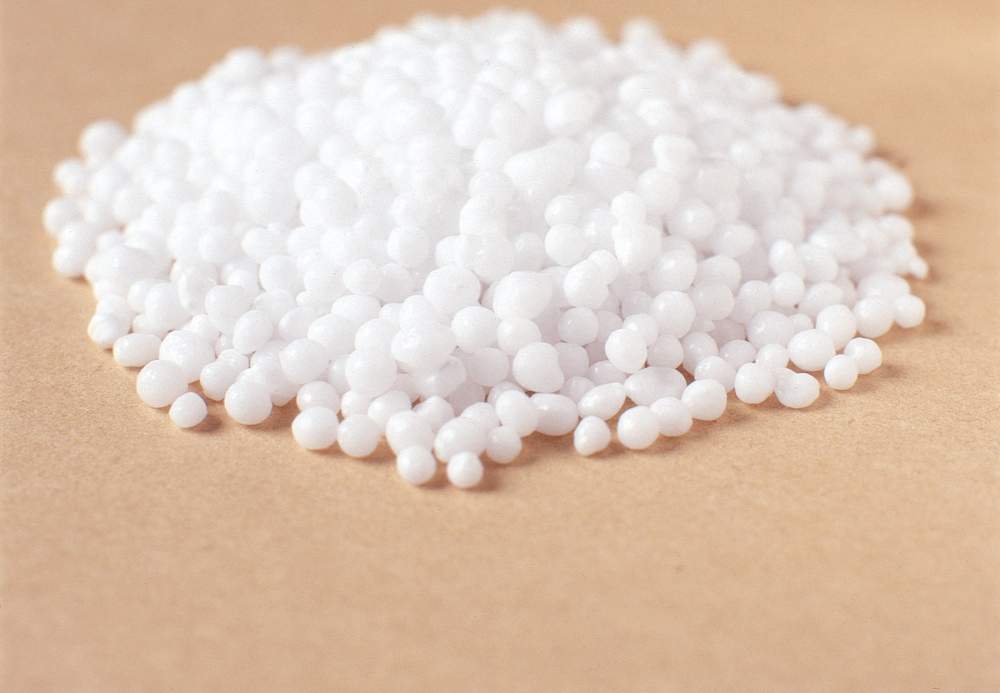
It's important to note that nitrogen should not be applied to the soil in excessive quantities. Excess nitrogen is significantly harmful. Nitrogen promotes the formation of lush green mass, causing the plant to devote all its energy to the formation and development of large stems and leaves. In this case, fruit either fails to form or becomes significantly smaller.
Potassium deficiency
If the soil where eggplants are growing lacks potassium, the crop's growth will slow. The fertilizer used to feed the plants in this case must contain sufficient amounts of this micronutrient. Without it, the seedlings will not develop vigorously. Fruit formed on mature plants with potassium deficiency will be covered with brown spots. Naturally, yields in this case will be significantly reduced.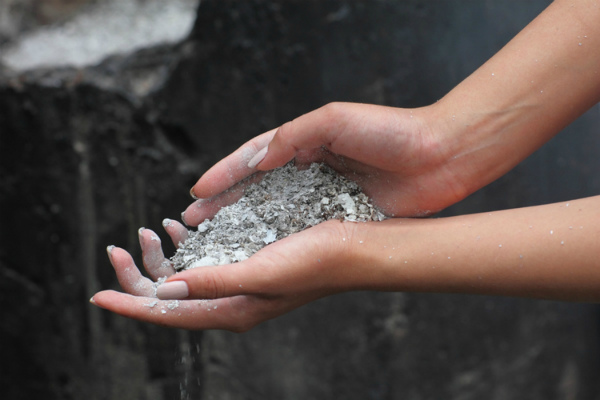
Potassium requirements increase on cloudy days. How should eggplants be fed in this case? Wood ash can help solve the problem. Sprinkle the soil under each plant with the substance. A typical application rate is one to one and a half cups per unit area.
Phosphorus deficiency
When there is a lack of phosphorus, the green mass of the vegetable turns blue.
After this, the leaves curl and almost completely fall off. The plant's overall condition deteriorates. Roots develop poorly, buds and fruit ovaries barely form, and ripening occurs extremely slowly.
You can help plants by fertilizing them with phosphorus-containing substances. For example, you can use superphosphate.
What to feed
How to feed eggplants? In addition to the minerals mentioned above, you can use mullein, urea, ash, or chicken manure. Many also use folk remedies. However, you should prepare your own solutions in advance.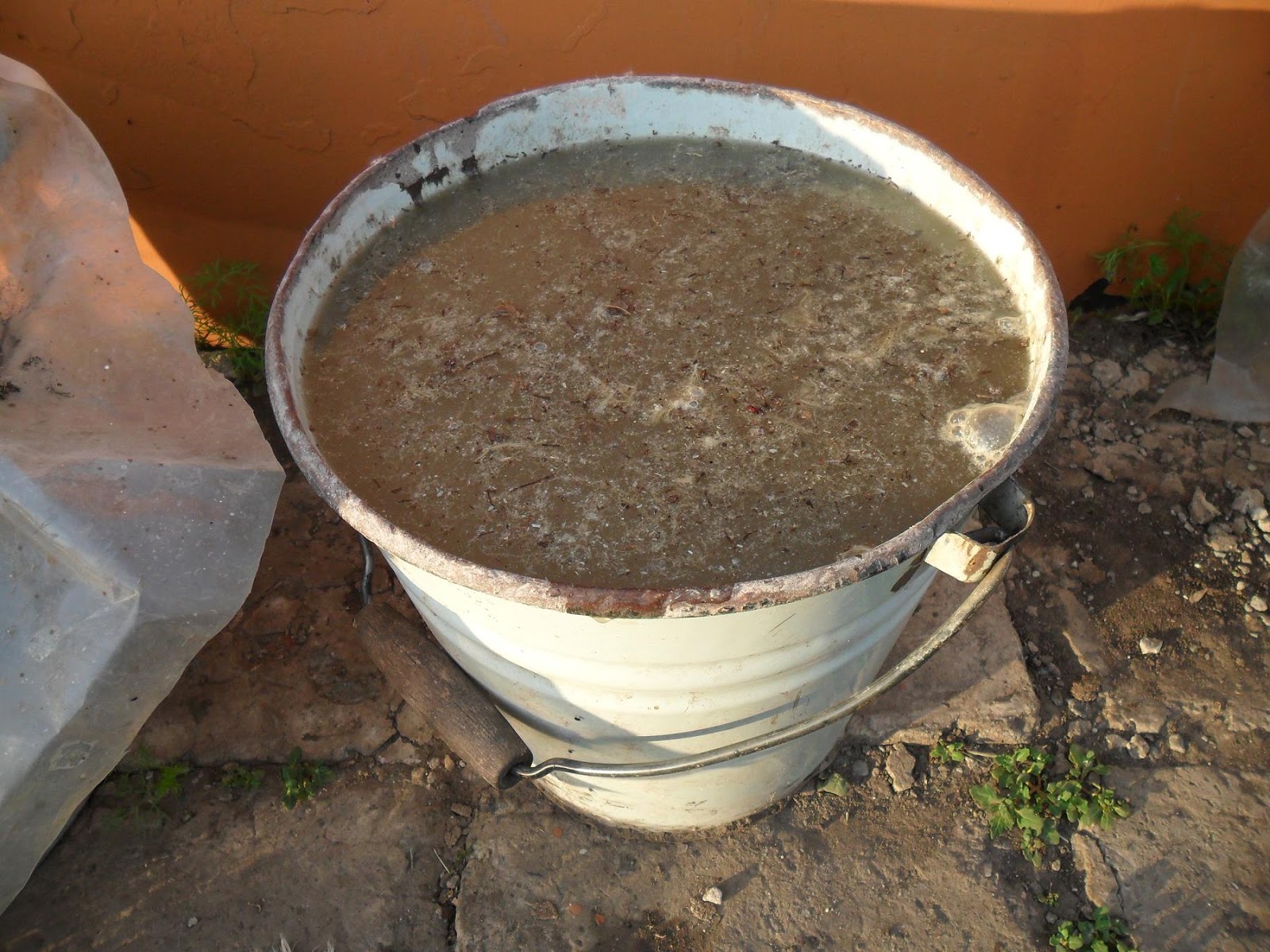
So, which fertilizer to choose is up to the gardener. Some prefer organics, others minerals. But it's best to alternate between the two.
Video: Growing Eggplants
From the video you will learn how to grow eggplants.