
How to treat eggplants: protection from diseases and pests
Content
Main diseases
Eggplants can be susceptible to a variety of diseases while growing in the garden. The most dangerous ones are:
- rot (root and root);
- tracheomycosis, which can manifest itself as wilting or late blight;
- sheet mosaic.
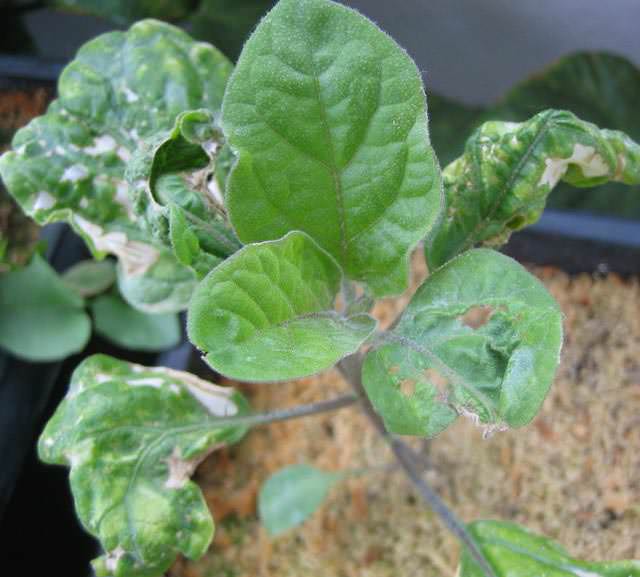
Furthermore, the vegetable is often attacked by fungal diseases, bacterial rot, or viral infections of the green parts of the plant or its fruits. Disease control involves a combination of preventative measures and various treatments. Both the soil and the above-ground parts are treated. Special biochemicals are typically used for this purpose, which do not harm the plant itself and are completely safe for humans, animals, and certain insects.
Chemical treatments are also used. These substances eliminate the disease quickly, but are harmful to humans and the fruit. Chemically treated vegetables accumulate residues of chemicals and even homemade remedies (decoctions or infusions with strong fungicidal or insecticidal properties).
Video "Eggplant Diseases"
From this video you will learn about eggplant diseases.
Biological methods of protection
If the green mass of eggplants begins to wilt for no apparent reason, the roots are likely infected with some kind of fungus. To clear the soil of harmful microorganisms, it's worth treating the area with biological agents. These agents are based on fungal microorganisms, such as trichodermin, coniotirin, and ampelomycin. Bacterial biofungicides are also often used: Alirin-B, Gaupsin, Gliocladin, and Baktofit.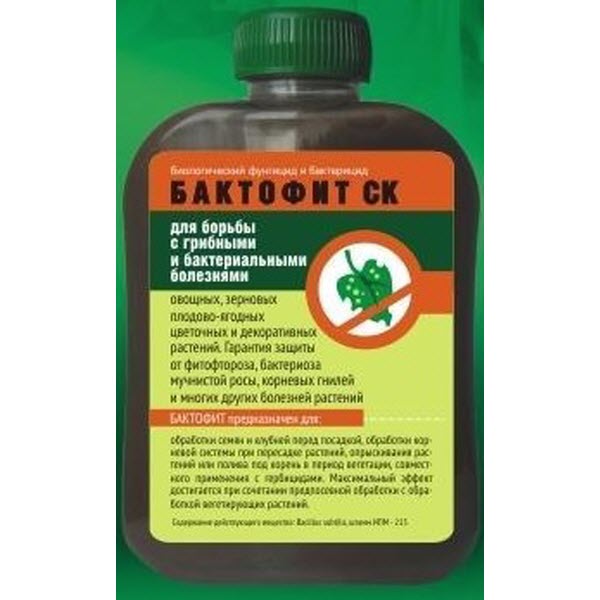
For short-term treatments, highly effective mixtures can be prepared. These solutions are based on various biological preparations. When combined, these substances enhance their effectiveness against pathogens.
Biological fungicides penetrate and destroy pathogenic fungi. Bacterial preparations act differently: they have an antibiotic effect. For soil disinfection, it is acceptable to use Emochki-Bokashi in dry form or solutions of other preparations, such as Baikal EM-1.
Biological products, unlike chemical ones, cannot combat harmful microorganisms in the soil after a single application. To achieve the desired effect, biological substances must be applied regularly.
Application to moist soil (after precipitation or during periods of increased humidity) is especially effective. Therefore, to reduce the number of treatments, it's best to use ready-made tank solutions that address multiple ailments simultaneously.
Chemical methods
How do you treat eggplants for quick results? Chemicals are commonly used. These products take a long time to decompose, and their residues have a negative impact not only on humans but also on all living things, including animals and insects. Therefore, when using chemicals, it's recommended to follow all recommendations and apply them no later than a month before the fruit ripens.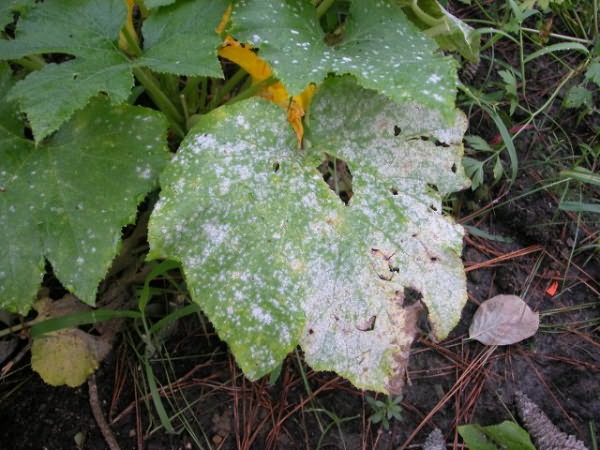
It's also worth considering that not all chemicals are compatible with each other. Some only kill specific pathogens, so it's often necessary to use several different products simultaneously. As a result, more treatments have to be carried out (as is the case with biological preparations).
New products are increasingly becoming available that are highly effective even when used in small quantities. The maximum effect of the substance lasts for 10 days. Chemical treatments must be carried out with extreme caution and care. When creating solutions, use only the amount of the substance specified on the packaging. When spraying, be sure to use special protective measures to help protect the respiratory system, eyes, and skin.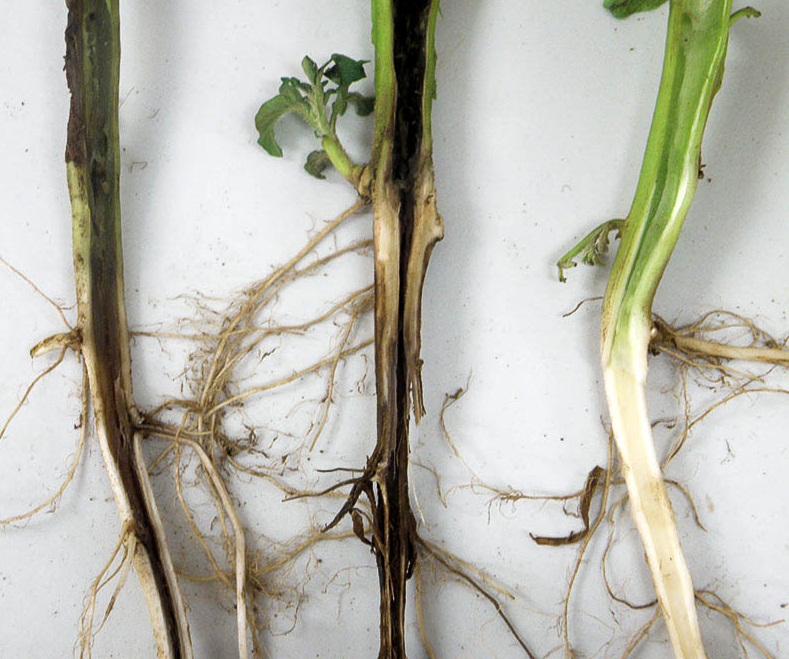
To combat a range of diseases (late blight, gray mold, blackleg, bacterial spot), Bordeaux mixture, copper sulfate, and other substances should be used on vegetables. According to the treatment schedule, treatment should be carried out one month after the first young shoots emerge from the soil. Treatments should also be continued for two to three weeks after transplanting the young shoots to their permanent location. Treatments are carried out every one to two weeks. The frequency of treatments depends on the weather and climate conditions in the region.
Pest control
The greatest danger to the crop is posed by pests such as aphids and the Colorado potato beetle.
Aphids are tiny insects that can destroy eggplants in a matter of days by sucking the sap from plant organs. These tiny parasites typically infest the green parts of the plant (stems, leaves, flowers) and drain the life from them.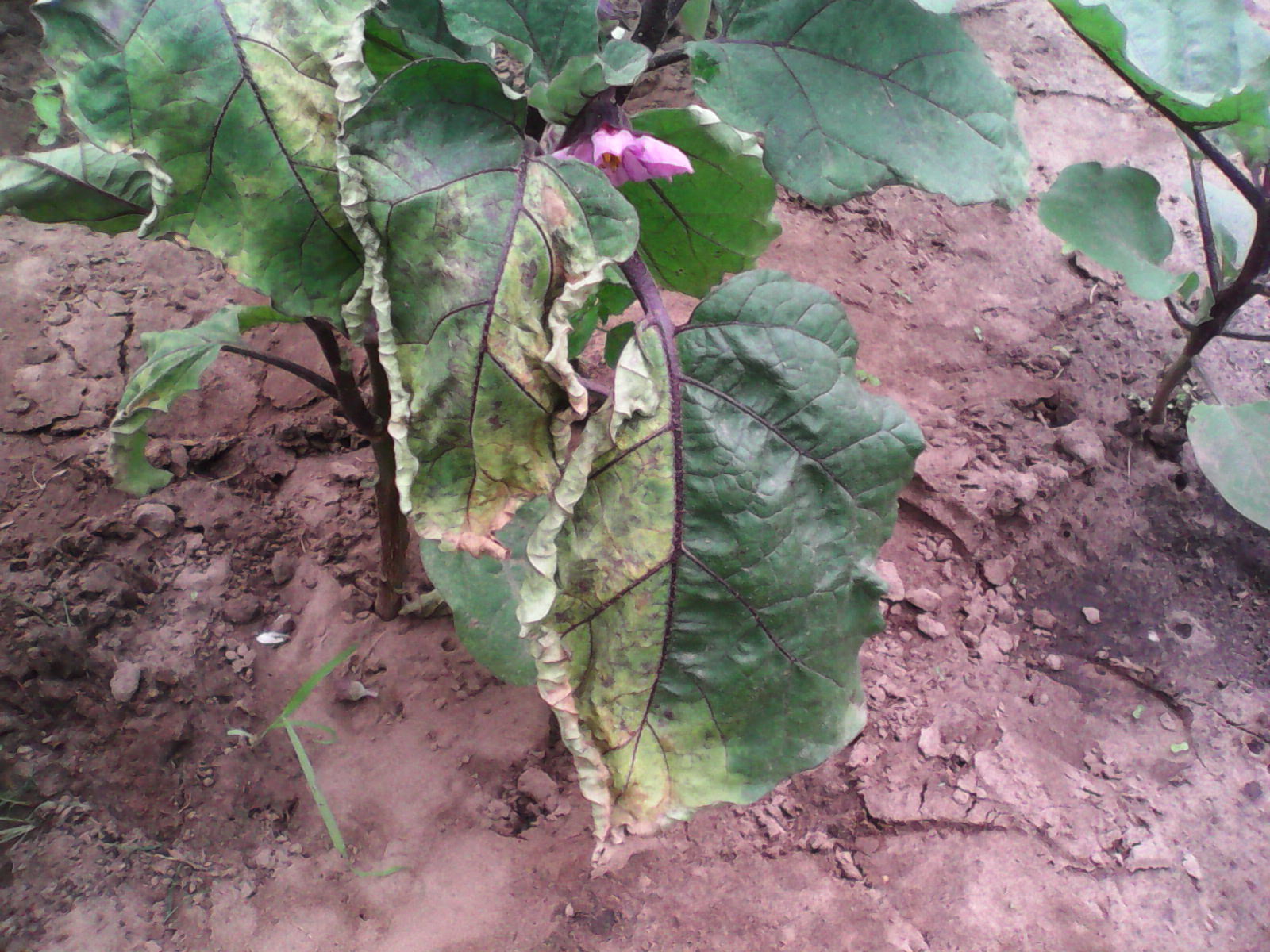
During its development, the Colorado potato beetle produces several generations of offspring. As a result, the beetles destroy four-fifths of the entire future crop per season.
When treating these insects, you can also destroy spider mites, which, being sucking, are capable of destroying many crops.
You can protect your vegetable from pest attacks by using biological products called bioinsecticides. These products are based on bacteria and are effective against chewing and sucking insects. The most commonly used are Lepidocide, Basamil, Fitoverm, and Bitoxibacillin. A significant advantage of these products is that they are applicable not only to vegetables but also to fruit and berry crops. Fungal agents such as Actofit, which can be used even during harvest, and Mycoafidin and Avertin-N, which have a targeted effect, are also important in controlling eggplant pests. These products are very effective at controlling pests early in crop development. Metarizin and penilomycin have a very negative effect on nematodes, which is especially important during seedling cultivation and immediately after transplanting to a permanent location (both in protected and open soil).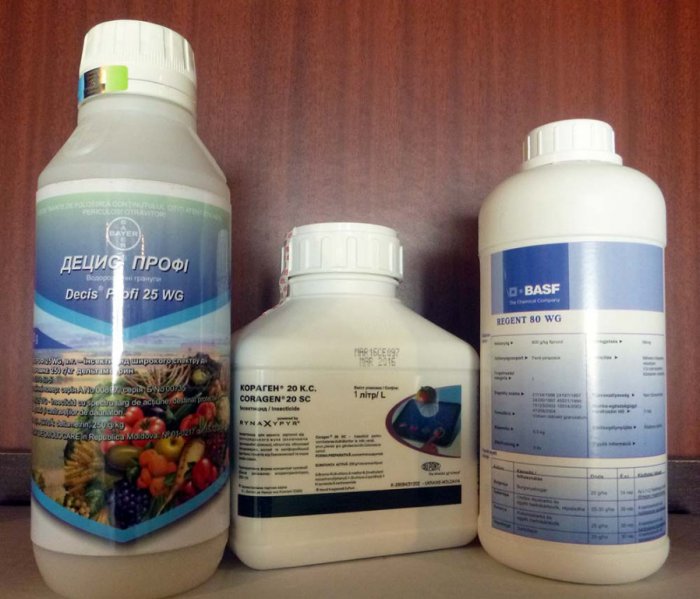
Insecticides are usually used in combination with biofungicides. However, it's important to check the compatibility of the substances you plan to combine beforehand. The dosage and application times specified in the instructions must be strictly followed. Otherwise, the effectiveness of the products will be significantly reduced.
Traditional methods of protection against diseases and pests
You can also combat eggplant pests and parasites with homemade folk remedies. These typically include decoctions or infusions made from various herbs. After preparing these decoctions, simply spray them onto all unhealthy or damaged plants.
To protect vegetables from aphids and spider mites, prepare decoctions of wormwood, yarrow, or mugwort and spray the crops in the area with these solutions. Walnut leaf infusions are also effective. It's best to treat one plant first and observe the condition of the crop for several hours. If no adverse reactions are observed, you can continue treating other plants.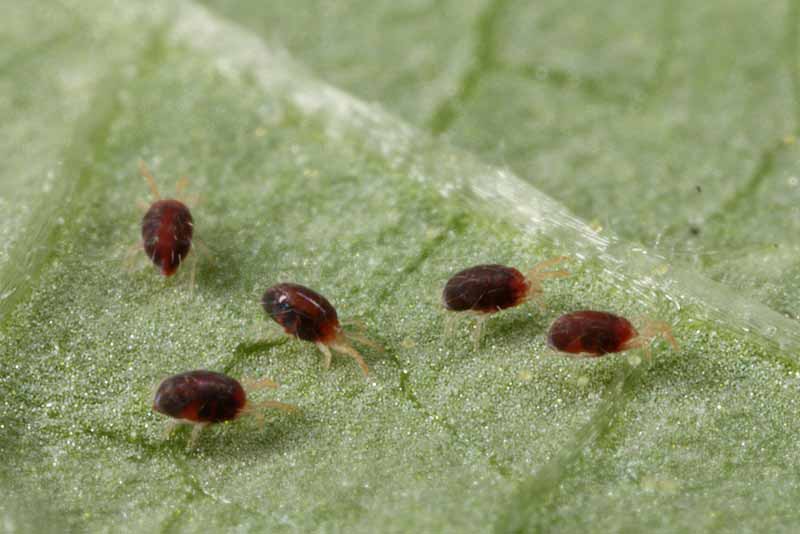
Dusting crops with ash or spraying them with a solution made from it will help combat aphids. To prepare it, dissolve one and a half cups of ash in a bucket of water. Let the solution sit for 24 hours, then strain it. This solution can be sprayed on the crops. It is recommended to add green or laundry soap to homemade solutions, which helps the solution adhere to the eggplants.
Therefore, following all eggplant growing recommendations and timely treatments are essential for obtaining a bountiful harvest. High-quality fruits can be harvested using specialized treatments in minimal quantities.
Video "Eggplant Pests"
This video will tell you about the most common eggplant pests.