
Greenhouse eggplant diseases: types and treatments
Content
Signs of mistakes made during cultivation
The unhealthy appearance of fruits or entire plants is not always necessarily due to insect pests or pathogenic infections: sometimes we simply do not care for our plants properly, thereby causing difficulties in the development of vegetable crops.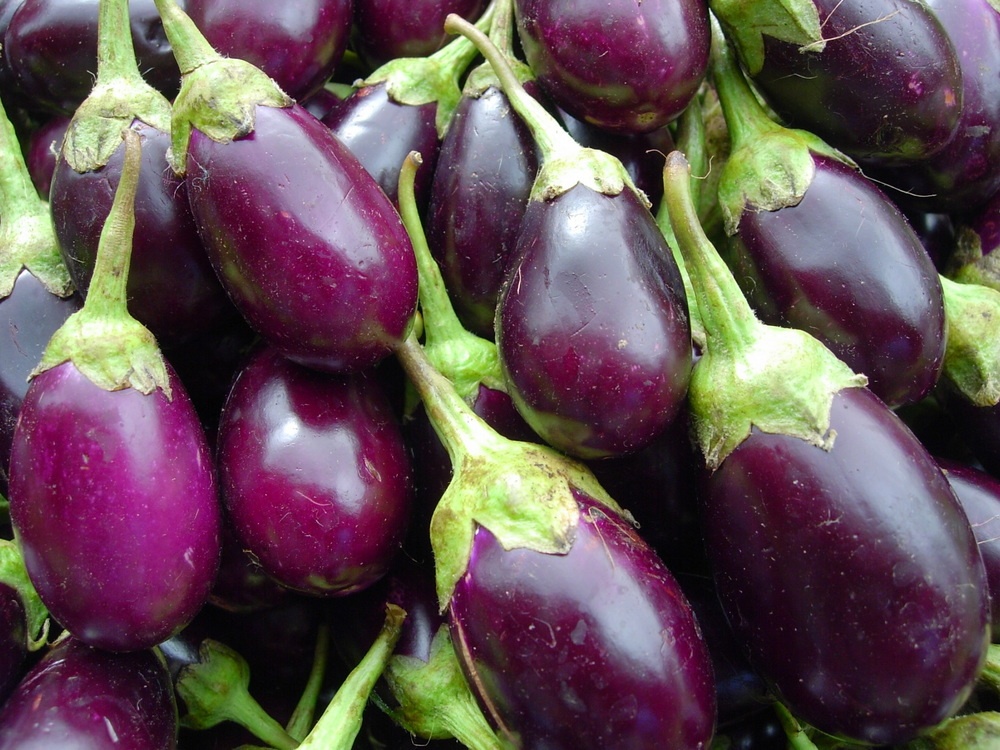
It's common knowledge that when growing vegetables in closed greenhouses, treatment with specialized products is significantly limited—only a specific set of products can be used at specific stages of the crop's development. Therefore, it's important to focus on preventative measures. Pre-planting treatment of the seed has proven effective: soak the seeds in a weak solution of potassium permanganate for 20 minutes before planting.
So, if a pest attack has been ruled out and there are no external signs of virus damage, you may have made one or more of the following growing mistakes:
- Overcrowding. When eggplant plants are planted too close together, they don't receive enough sunlight, causing the fruit to turn brown from its usual purple color. If this happens, try removing the top leaves to increase sunlight to the fruit—this should solve the problem.
- Failure to follow the watering schedule. If plants are watered incorrectly or irregularly, eggplants are prone to cracking;
- Dropping of flowers and ovaries. This can sometimes occur if nitrogen fertilization was applied immediately after planting or if the plant was watered with cold water;
- Leaf curling and darkening of the edges. This metamorphosis can occur if plants lack potassium;
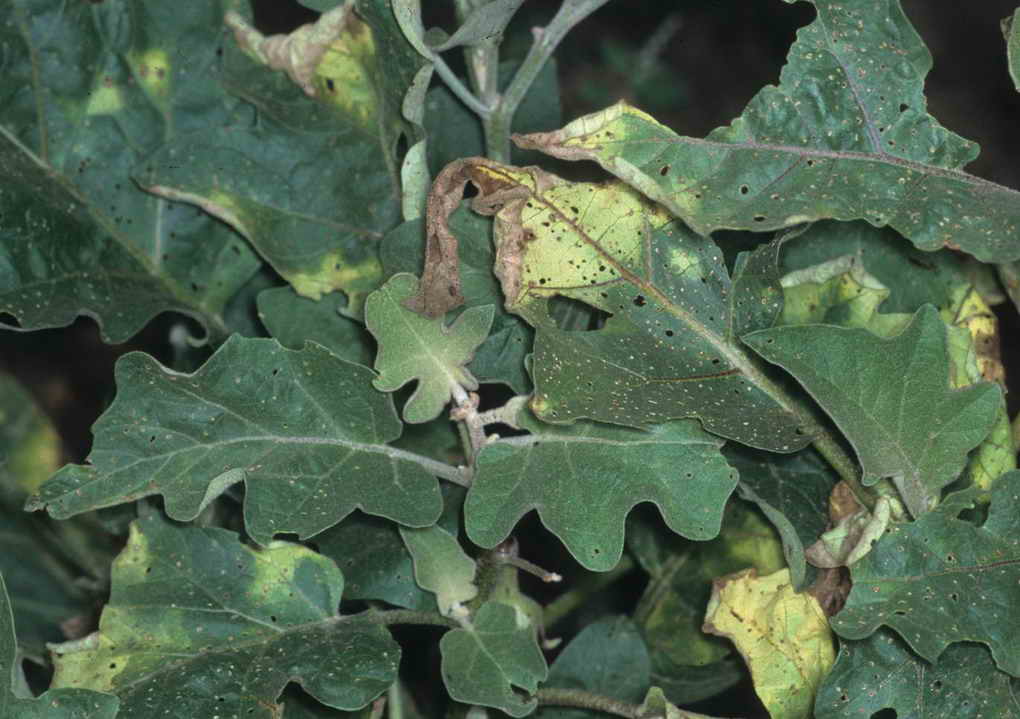
- Plant elongation. If eggplant leaves stretch upward, positioned at an acute angle to the stem, they are deficient in phosphorus;
- Leaf lightening. Eggplant leaves turn lighter if the plants don't have enough nitrogen.
Video: "Fighting Eggplant Diseases"
From the video you will learn how to combat vegetable diseases.
Development of fungal diseases
If none of the above violations have been committed, but the eggplants still do not look healthy, then some disease is manifesting itself.
Eggplants, in particular, are susceptible to fungal infections. High temperatures and high humidity promote the spread of fungi. The most common disease affecting eggplant bushes is gray mold, which causes grayish, water-soaked spots on the leaves that gradually increase in size and eventually develop a gray coating. Gray mold can be controlled with fungicides—treat plants with copper sulfate or colloidal sulfur. After the final harvest, the soil in the greenhouse should be completely replaced, as spores of the pathogen may remain in it. The remaining plant material should be burned, and nightshade crops should not be planted in the same bed for two years; remember that fungal spores remain viable for 24 months.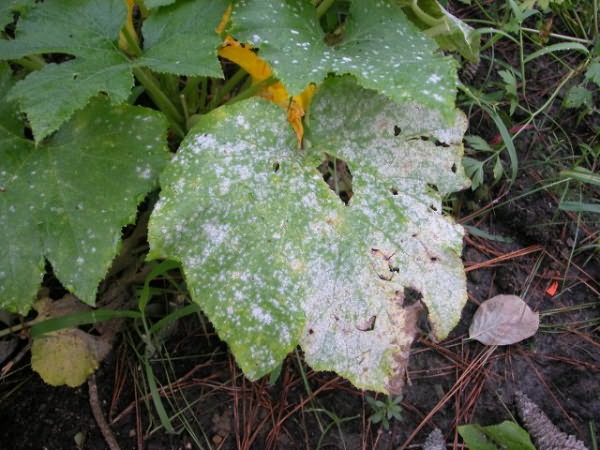
Another problem affecting eggplant lovers is late blight. This disease manifests itself as rusty spots on the surface of leaves and stems. If moisture levels rise, the damaged areas begin to rot. This disease can be controlled with any copper-containing products. Some gardeners prefer traditional methods, such as spraying the beds with a garlic infusion (1 cup of crushed garlic per 3 liters of water) or a mixture of whey and water in equal proportions. This treatment is completely safe and can be used even during the fruit formation period.
Blackleg, a disease that attacks plants at ground level, can be a major nuisance for gardeners. The stem gradually thins, and once the infection reaches the root system, the plant inevitably dies. Preventative measures include maintaining optimal humidity, avoiding sudden temperature fluctuations, and monitoring planting density. If affected plants are discovered, they must be ruthlessly removed from the greenhouse and destroyed.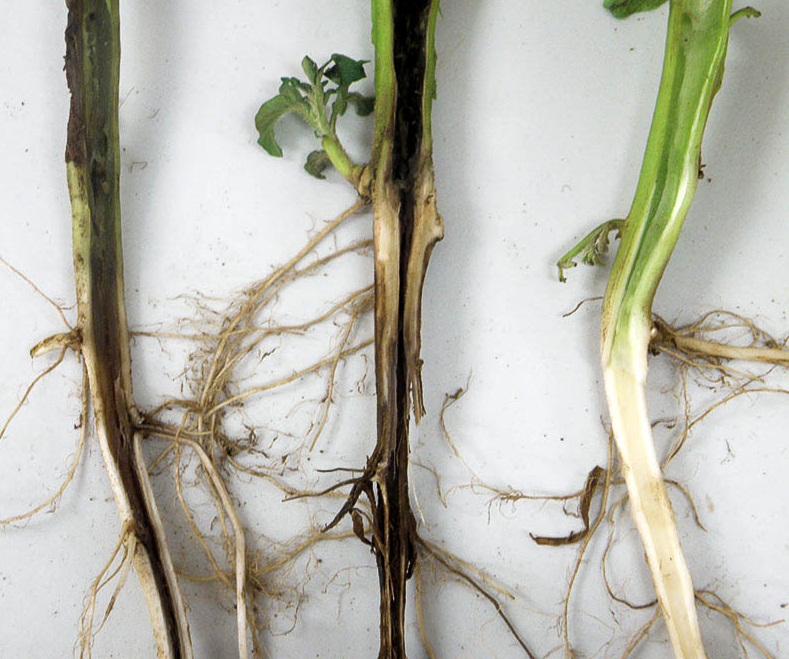
Another common fungal disease is white rot. This scourge affects the entire surface of the plant, causing a whitish coating to form. Hard inclusions appear in the internal cavities of the stems, impeding the natural flow of nutrients, resulting in watery and tasteless ripening fruits. Affected plants gradually dry out, and the disease is triggered by low temperatures and high humidity. If signs of white rot appear in your greenhouse, immediately treat the affected areas with chalk or ash. Water only with warm water, follow crop rotation rules, and promptly remove plant debris from the greenhouse bed.
Eggplant infestation by viruses
As with fungal infections, viral pathogens are a common problem in eggplant beds. Effective control primarily involves timely preventative measures.
But if time is lost, the enemy, as they say, must be known by sight:
- Tobacco bacillus. Infection of plants is indicated by the appearance of light or dark green spots on the leaves. Over time, the virus progresses, infecting the fruit, causing yellow spots. If only the roots of the plants are affected, you won't notice any external signs of the disease, making it difficult to determine the cause of the plant's death. Unfortunately, this disease is very difficult to cure; it's much easier to prevent it from occurring. If you're growing eggplants from seeds, pre-plant the plants by soaking them in a 20% hydrochloric acid solution. If signs of the disease are noticed on seedlings, remove the affected ones immediately.
- Similar symptoms and similar methods of control are characteristic of another viral pathogen – streak;
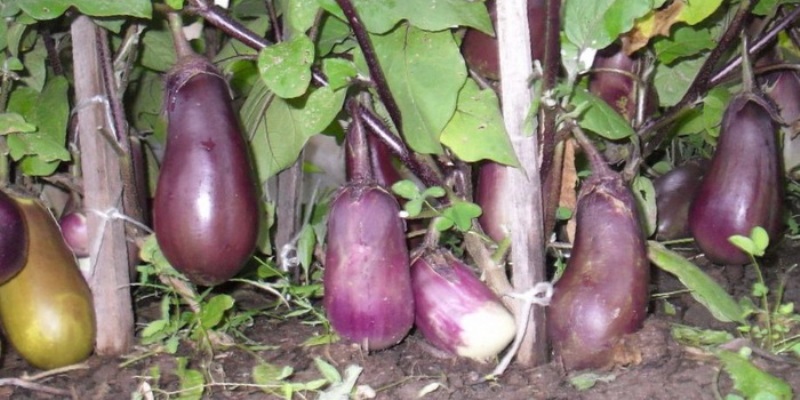
- Another scourge of eggplant beds is stolbur, carried by cicadas: the leaves turn red-purple, the stems become brittle, and the leaves fall off. The only preventative measure is to reduce the cicada population, which is achieved by removing weeds growing near the greenhouse.
Development of bacterial diseases
The most common bacterial disease is black spot. It affects the entire plant and can appear at any stage of eggplant development.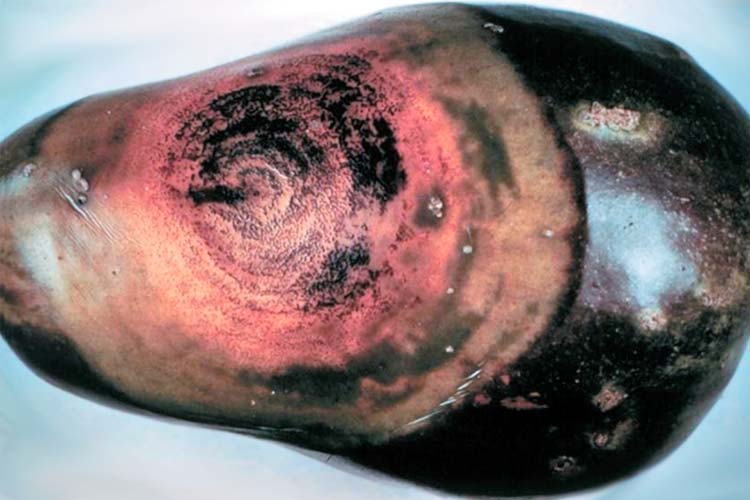
Black spots with yellow borders appear on the leaves and stems, and raised, water-soaked lesions appear on the fruit, gradually developing into open ulcers. Unfortunately, diseased plants cannot be cured, and even if you manage to save the plant, it will not produce a harvest.
It is noteworthy that the bacterium that causes the disease is found in the seeds of the fruit and even in their remains, so the destruction of rejected specimens must be carried out especially carefully.
As you can see, most problems in growing eggplants are related to simple failure to adhere to proper agricultural practices, such as temperature and humidity control in the greenhouse. Overwatering the soil is especially dangerous, as greenhouse conditions promote high humidity levels. To prevent disease, try to maintain optimal conditions for normal crop development, and don't forget to pre-treat the seeds.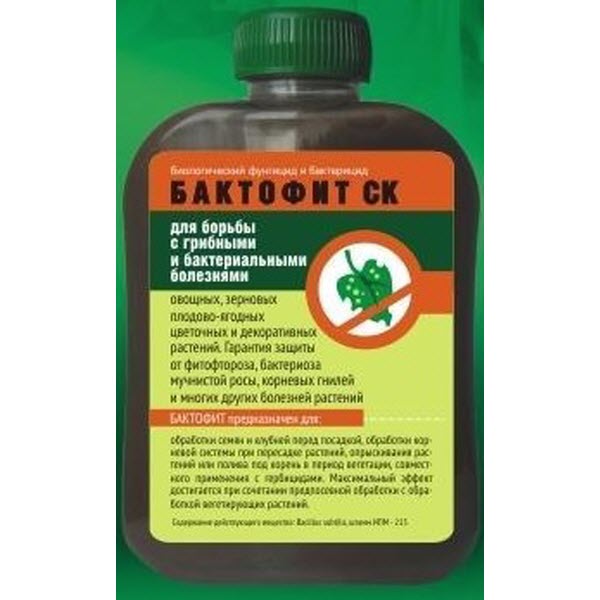
When transplanting seedlings, carefully inspect each plant. If you spot any suspicious specimens, it's best to remove them immediately to avoid risking the entire bed. Another important consideration is timely soil cultivation. Promptly remove weeds, which harbor numerous insects that carry pathogenic viruses and infections. Also, remember crop rotation: to prevent pathogens from accumulating in the upper soil layers, alternate plantings of crops in the same areas. Strive to strictly adhere to the basic rules of eggplant care and cultivation, and you're sure to reap a bountiful harvest of this tasty and healthy vegetable, resistant to diseases and pests.
Video: How to Grow Eggplants in a Greenhouse
This video will show you how to grow eggplants in a greenhouse.