
The main diseases of eggplants and seedlings: methods of their treatment
Content
Improper care
Eggplant diseases most often arise from improper care of seedlings or plants that have already been planted outdoors or in greenhouses. Improper care opens the door to various fungal and viral pathogens, as well as a wide variety of parasites.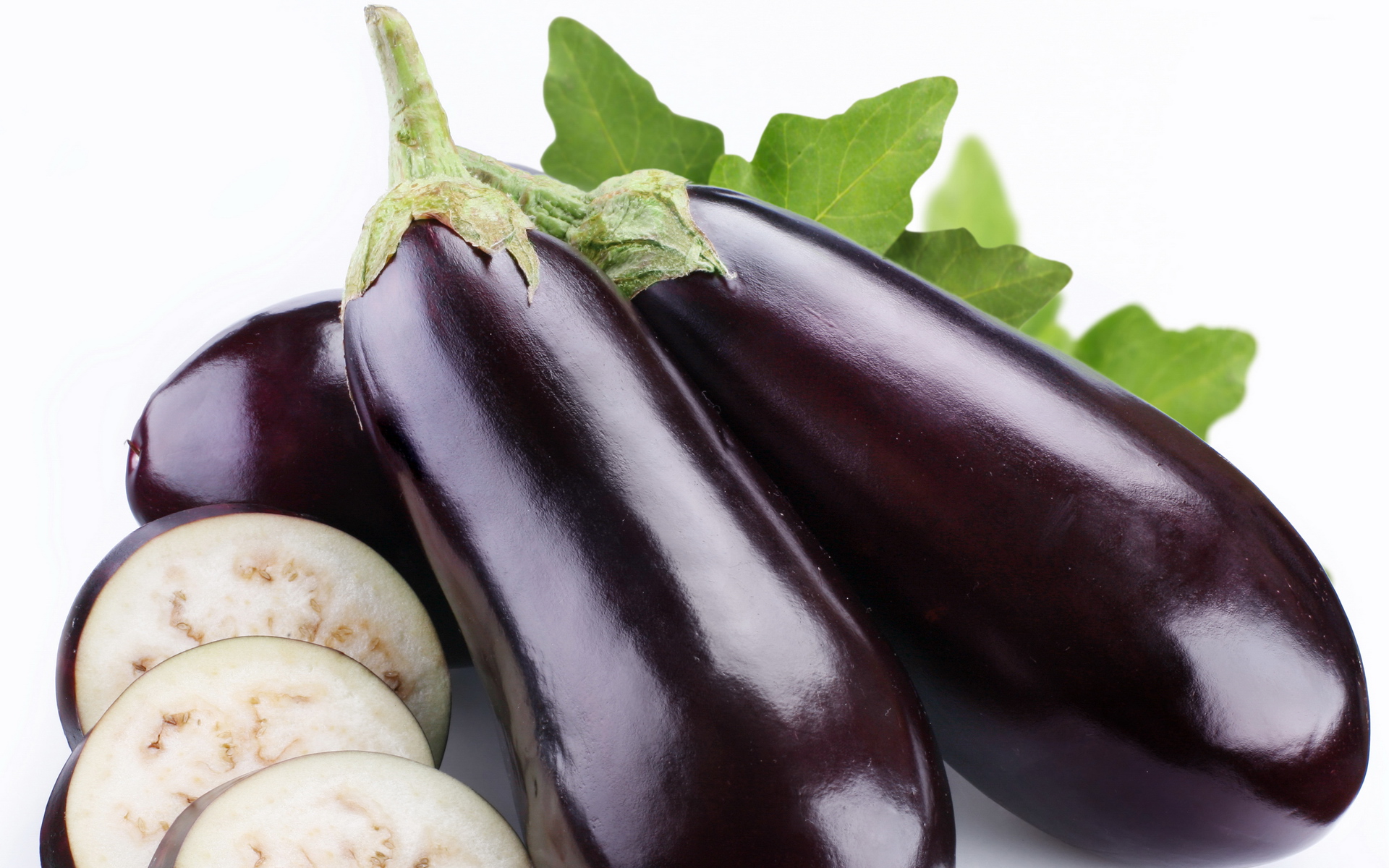
In some cases, normalizing care can help overcome the problem. However, such a favorable outcome is possible only if the pathological condition of the seedlings or plantings is detected early. Only then can chemical spraying be avoided.
It's worth noting that the appearance of spots on eggplants doesn't always indicate the onset of disease. They can be caused by improper care. To avoid unnecessary use of toxic chemicals, it is necessary to evaluate the effectiveness of the agricultural practices being implemented.
The following deviations from proper care can provoke eggplant diseases:
- Insufficient sunlight. Planting plants or placing seedlings in shaded areas with insufficient sunlight can cause discoloration. For example, eggplants may develop an unhealthy appearance due to pale skin. This symptom of insufficient light can easily be mistaken for the onset of disease. Relocating the plant container to a well-lit area can help correct the problem. You can also try thinning the seedlings, as the color change may be due to lack of space.
- Incorrect and uneven watering. The most important aspect of eggplant care is regular watering. Otherwise, the resulting fruits will be covered in deep cracks;
- Violation of water and temperature conditions. This includes watering with cold water, or an excessively humid or dry atmosphere in the room or greenhouse.
In addition to the situations described above, improper fertilization can also cause disease in this crop. In this case, the following factors may be the cause of the eggplant's diseased appearance:
- Potassium deficiency. Plants with insufficient potassium fertilizers exhibit discomfort in the form of leaves that have turned brown at the edges and curled into tubes. This is the most obvious sign of poor plant health, and if you're inexperienced, it can easily be mistaken for a progressive disease.
- Phosphorus deficiency. Here, too, the leaves are the first to suffer. Phosphorus deficiency is characterized by leaf blade elongation, which occurs at an acute angle to the stem;
- Nitrogen deficiency. In this case, the leaf blade will not radically change its color or shape. Only a noticeable lightening of the leaves will be observed.
In addition, it should be noted that early fertilization without observing the deadlines can cause the ovaries and flowers to fall off.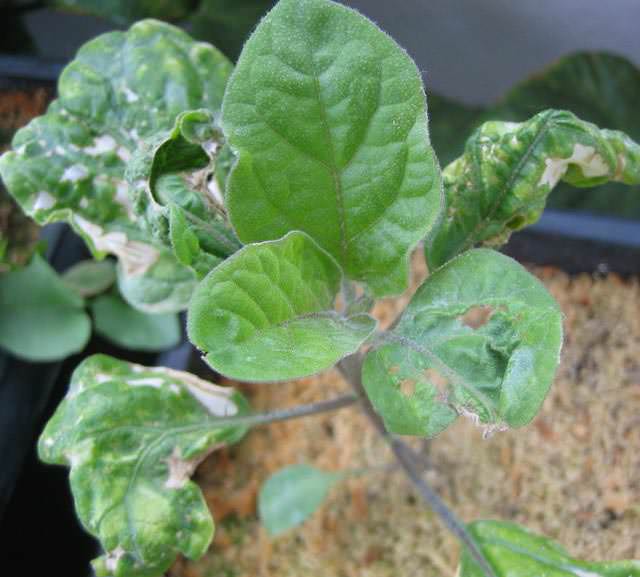
As we can see, situations where plants appear unhealthy can often occur even without the presence of pathogenic microflora. To confirm that the cause of your eggplants' illness is actually related to their care, simply return to normal and wait. If insects and pathogens haven't yet appeared on the plants, they will recover on their own. However, if this doesn't happen, you should begin searching for diseases and parasites. It's important to remember that this crop is susceptible to a wide variety of diseases and pests.
Video "Eggplant Diseases"
This video will tell you about the most common eggplant diseases.
Viral diseases
Once the cause of the pathological condition of seedlings and planted plants, based on the carelessness of the vegetable grower, has been excluded, it is necessary to determine what is actually causing this condition - disease or pests.
It's worth noting that even the most experienced gardeners can develop eggplant diseases. In almost 95% of cases, infected plants cannot be cured. Only the remaining crop can be saved.
Eggplants suffer from the following types of diseases:
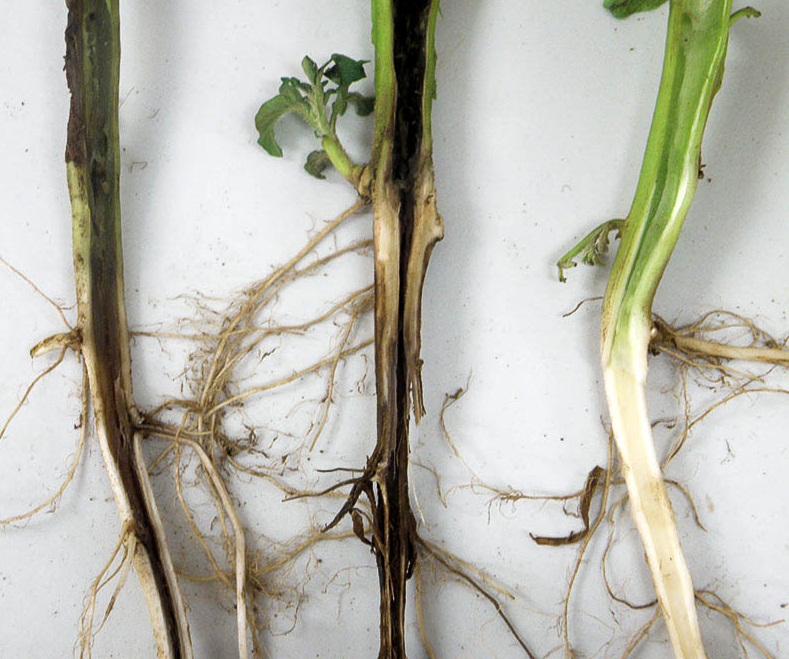
- Blackleg. Caused by a fungus, the pathogen begins to manifest itself after the first shoots emerge. The main symptoms are tightening and darkening of the root collar. This leads to wilting of the entire plant. If the disease is in an advanced stage, the pathogen attacks the root system. Humid air, as well as soft and overly moist soil, can trigger the fungus. Therefore, the best prevention of blackleg is maintaining temperature and water conditions. The disease is controlled by treating the soil with bleach. Sprinkling the soil with wood ash is also recommended.
- Botrytis, or gray mold, is a fungus vector. It can remain dormant in the soil for up to two years. It emerges from dormancy when temperatures rise to 20 degrees Celsius or higher. It causes plant rot. Initially, dark spots appear on eggplants, which eventually grow and become covered with a gray coating. Control involves removing all infected plants and burning them. The soil is then fumigated. The plants and vegetables themselves should be treated with fungicides.
These are the two most common diseases of this crop. However, eggplants are also susceptible to the following ailments:
- Stolbur. The pathogen is transmitted by cicadas. The main symptom is leaves turning bright red with small purple spots. The leaf blades also become very brittle. Flowers also change shape, eventually drying out and falling off. Plants planted outdoors are most likely to become infected with stolbur. Plants can be protected only by promptly removing weeds and treating the crops with Actellic.
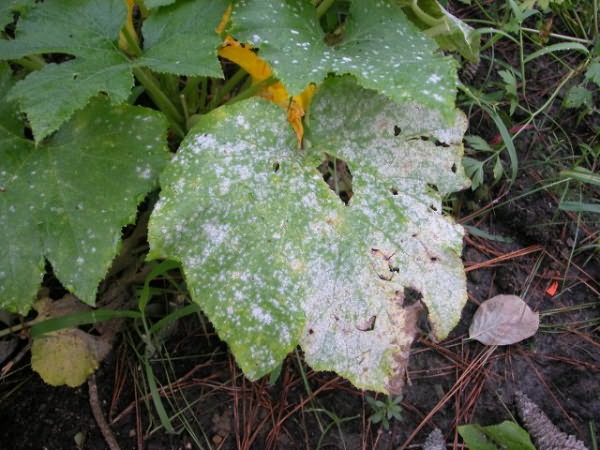
- Sclerotinia wilt, or white rot, affects both fruits and leaves. It is characterized by the appearance of brown rings. After these rings develop, the stems begin to die. To combat the infection, sprinkle the beds with peat chips. Watering with warm water is also recommended. Experts recommend sprinkling infected areas with ash or chalk.
- Alternaria wilt, or black spot, causes dark spots with a yellow border to appear on the plant. In 90% of cases, the affected plant dies;
- Mosaic. It is characterized by variegated leaf coloration. Leaf shape may also change. Affected fruits become covered with yellow spots.
- Verticillium wilt, also known as verticillium wilt, is caused by a fungus. The disease initially attacks the lower leaves and then spreads throughout the plant. The only way to control it is by burning the affected plant material.
Eggplant diseases also include:
- Blossom-end rot. The main symptom is the appearance of a greenish or gray formation with a characteristic watery texture at the top of the stem. The conditions for its development are improper fertilizing;
- Internal necrosis. This disease causes the gradual death of fruit tissue. The eggplant turns brown inside, and the flesh resembles mush;
- Late blight. It is characterized by the development of brown spots at the beginning of plant infection. In damp weather, these spots become covered with a white coating.
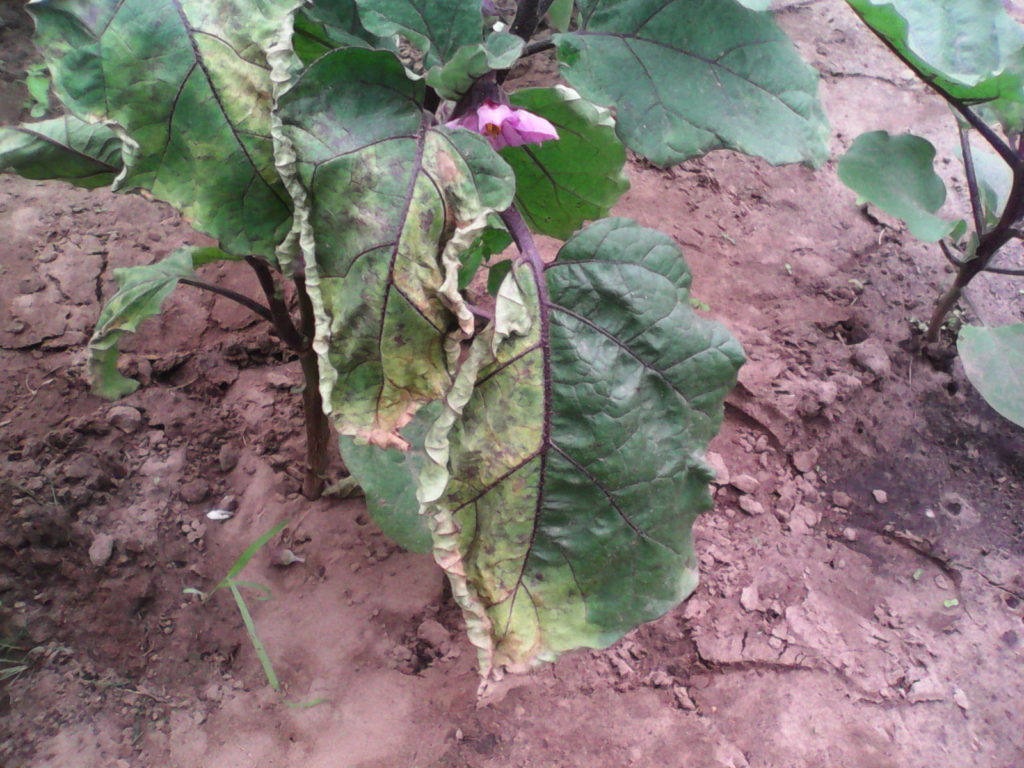
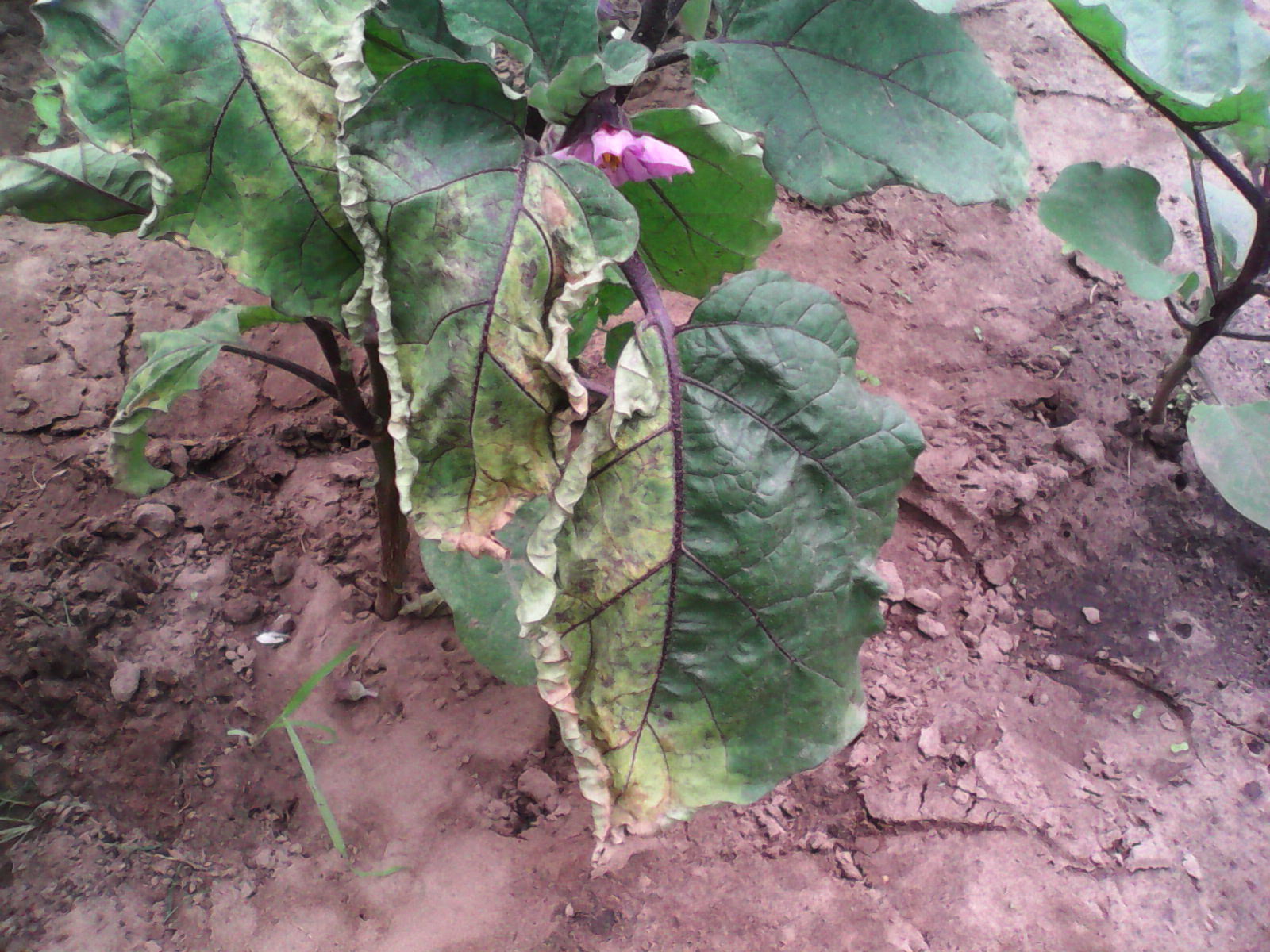
As we can see, eggplant diseases have various symptoms. Therefore, when examining eggplants and their various diseases, remember that treatment must be appropriate. Consider the type of pathogen, the extent of the plant's damage, and the likelihood of treatment.
Pests in the garden
Another cause of this crop's illness can be eggplant pests. These insects, attacking garden crops, live on them and suck out the plant's sap. As a result, their activity leads to the wilting of plants and the spoilage of fruits. It can even lead to the premature death of the plantings. This will have an extremely negative impact on their yield. Therefore, pests are no less dangerous than pathogens.
Gardeners who grow eggplants should regularly inspect their crops for pests if they want a bountiful harvest. The following pests can be found on this crop:
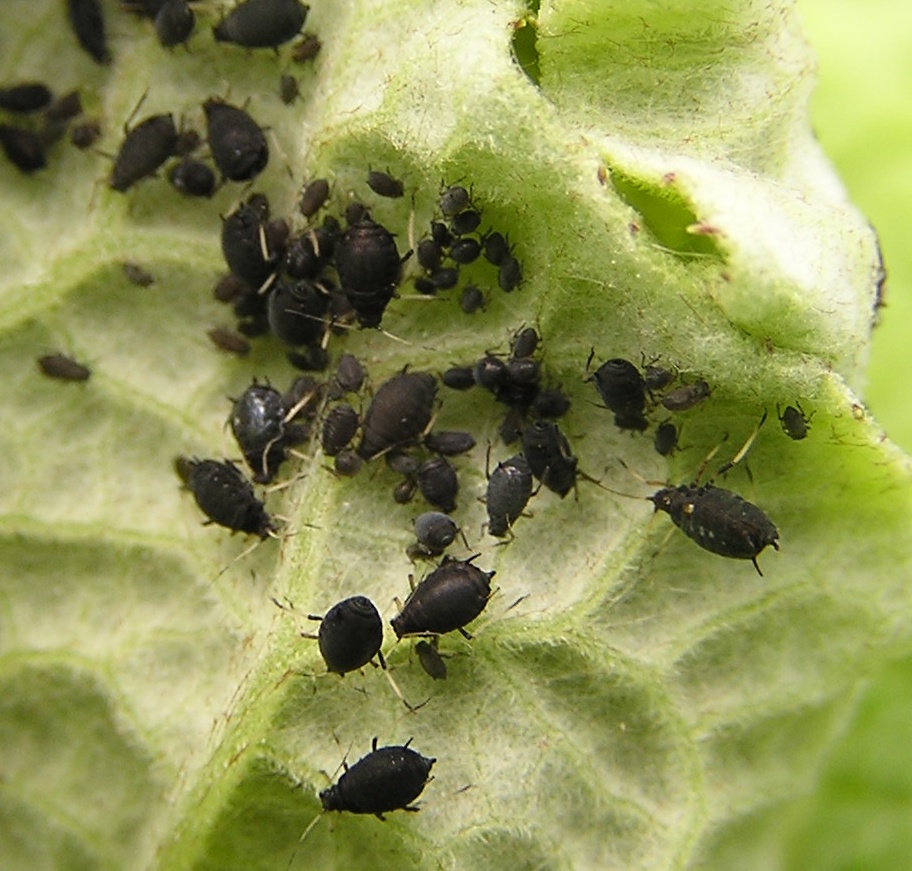
- Aphids. These are the most common. They feed on fleshy tissues, sucking out the juices. This causes the eggplant to gradually wither. To control them, treat the plantings with Strela. For severe infestations, it is recommended to use Malathion. However, it is highly toxic. A suitable folk remedy is a solution made from wood ash (1 to 10 liters of water).
- Slugs. They are found on young leaves and shoots. They gnaw at plants, thereby inhibiting their development. To control them, scatter metaldehyde granules, ash, tobacco dust, or freshly slaked lime between rows.
- Colorado potato beetle. Their larvae are extremely voracious, actively devouring young shoots and leaves. Affected plants are sprayed with insecticides (Sonnet/Prestige);
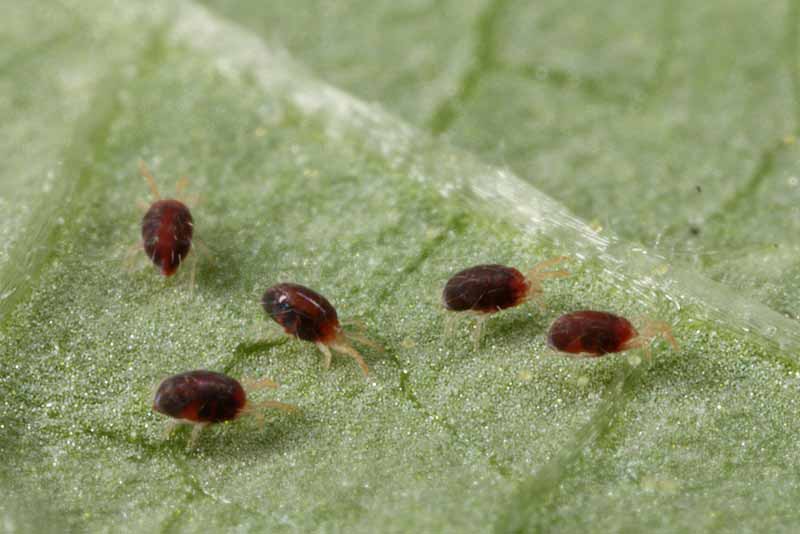
- Spider mites. They form a flimsy, airy web on the underside of leaves. They thrive in hot, dry weather. They can be controlled with various folk remedies.
- The mole cricket lives in underground labyrinths and can gnaw through shoots at the very base. It can be controlled by treating the soil with disinfectants (such as Grom or Medvetoks). Pepper tincture is a popular folk remedy.
- Whiteflies feed on sap. Insecticides are used to control whiteflies. For example, Aktara and Fitoverm are effective. You can also place various traps in your garden beds, which are easy to make yourself.
Knowing which diseases and pests affect eggplants allows you to develop effective preventative measures against them. It's also important to remember that simply improper care can lead to unhealthy plants.
Video: "Eggplant Seedling Pests"
This video will show you what problems eggplant seedlings may encounter.