
Planting and growing watermelons in the open ground in the Moscow region
Content
What varieties are suitable?
It's no secret that watermelon cultivation is best suited to areas with milder, warmer climates than the Moscow region. However, thanks to the efforts of breeders, you can now find watermelons in greenhouses in the Moscow region. Some people plant watermelon seedlings. Seeds from specially developed varieties are suitable for open-ground cultivation.
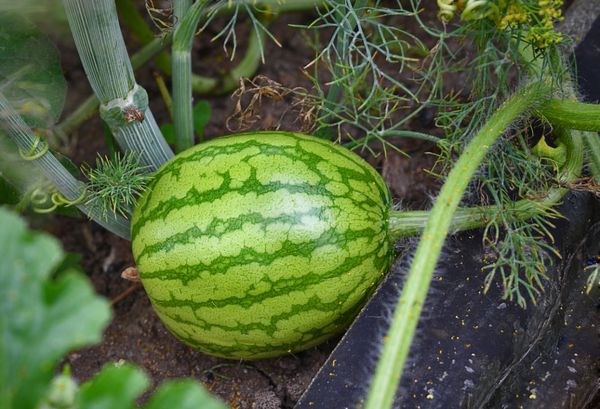
The most famous among them are such varieties as ‘Skorik’, ‘Ogonyok’, ‘Lezheboka’, ‘Charleston Grey’, ‘Crimson Sweet’ and ‘Peking Joy’. This is not a complete list of varieties whose seeds are recommended for use in seedlings in the Moscow region or for planting directly in open ground.
Timing of planting seedlings
When should I plant watermelon seedlings in this region? The planting dates should be calculated based on a time when there's no risk of frost for the seedlings that will be planted in the ground. Watermelon seedlings are ready for transplanting as early as 25–30 days into their development. Based on this, seeds should be sown no earlier than early April. This planting time is typical if you plan to plant seedlings in a greenhouse. Watermelons in the Moscow region should be sown later—no earlier than April 25—to avoid frost.
Features of seedling care
How to properly grow watermelon in the Moscow region outdoors? To do this, you need to provide the seedlings with proper care. After sowing, the seeds require warmth and ample moisture. Cover the container with plastic wrap and place it in a warm place. The seeds will sprout in five to six days. During the period when the first leaves appear, the plants require intensive feeding. For this purpose, we recommend using bird droppings at a ratio of 1 to 20.
After each watering, to protect the seedlings from diseases, the area around the sprout is sprinkled with ash.
It's also important to remember the need to harden off your watermelons. This process builds the plants' resilience to changing environmental conditions and will help them thrive. Move the pots from a shady area to a sunny location.
Transplantation into open ground
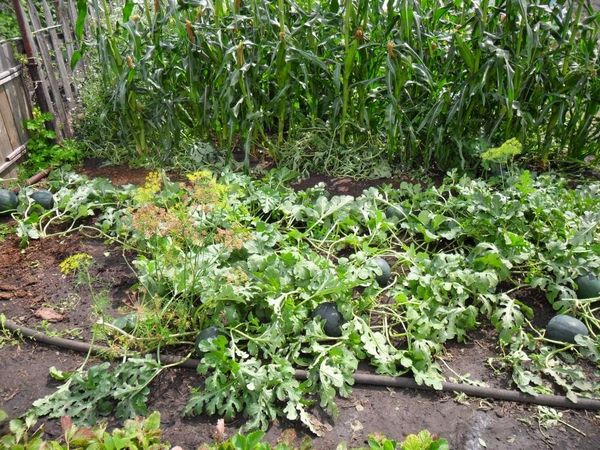
Growing watermelons in the Moscow region requires some special considerations. Transplanting the grown seedlings into open ground should be done at the time specified above. Early June is a good time for crops you'll be planting directly in the ground. Before planting, ensure the soil is ready for the plants. Thoroughly dig the soil and ensure adequate drainage.
Agricultural practices include planting the plants at a ratio of 1:0.7. For seedlings, prepare 15-centimeter-deep holes, fill them with water, and then transplant the seedlings into them. After planting, it is recommended to apply a layer of mulch around the pole.
Aftercare
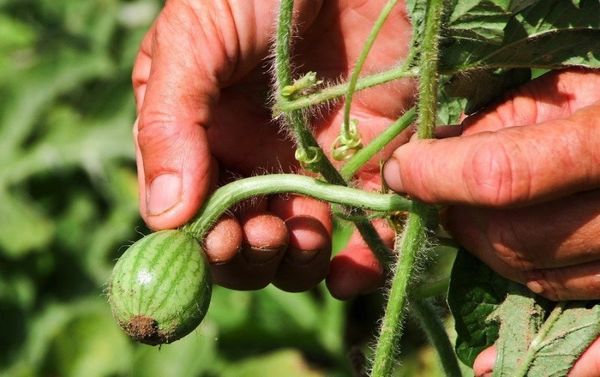
A gardener's main task is to keep the soil around the watermelon free of weeds and loose and not compacted. Regular loosening, weeding, and, if possible, shaping the plants to the cotyledon leaves is recommended. These actions will help your plants maintain a healthy root system.
Watering should be reduced during the flowering and fruit-setting phases. Calculate that one square meter of your crop requires at least four waterings of 40 liters each, if it's a dry year.
Watermelons require regular mulch changes. Fertilizing is done twice a year. The most common organic fertilizer solutions are mullein (1:10), bird droppings (1:20), or fermented herbal infusions.
Rules for the formation of culture
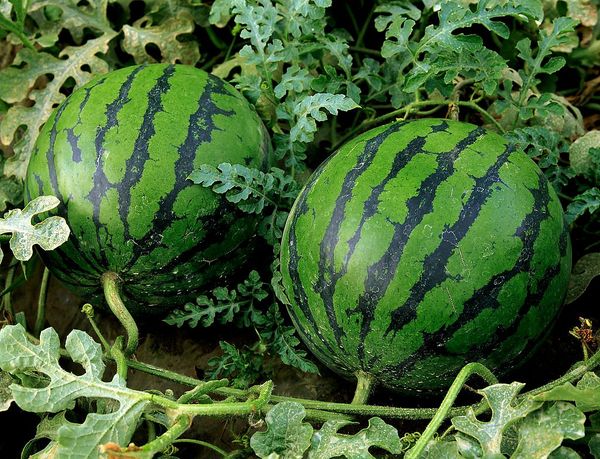
To obtain large, juicy fruits, it's common practice to pinch the melons in home gardens. The first pinch is done at the height of 5-6 true leaves. This is done first with the apical bud to stimulate the growth of lateral shoots.
After a short time, you can pinch off the growing points of the shoots where fruit has already set. This will help redirect the plant's energy toward accumulating nutrients in the fruit itself. To ensure that watermelons are equally large and juicy, it is recommended to leave no more than three plants per bush.
To ensure uniform weight gain throughout your harvest, set the ovary stalk-side up when it's slightly larger than a chicken egg. This simple technique will help prevent uneven development.
When to harvest
The fruits are harvested approximately in mid- to late August. Pay attention to the ripening period and planting time. It is recommended to harvest watermelons before the first frost, otherwise this can reduce the quality of the fruit. However, there's no need to rush this process – watermelons are not the kind of plants that ripen well in storage.
Video: "How to Grow Watermelons in the Moscow Region"
This video will teach you how to properly grow watermelons in the Moscow region.