
Effective methods for growing watermelons in open ground
Content
Seed preparation
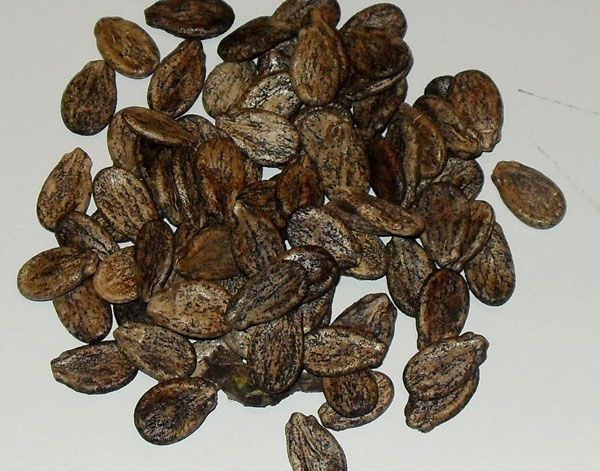
The correct technology for growing watermelons in open ground begins with selecting seeds suitable for the climate. For example, the Skorik watermelon is an early-ripening variety that requires a warm climate, making it a popular choice for open-field cultivation in Ukraine, particularly in the south. In Kuban, the following hybrids are suitable for sowing: Orange King, Vulcan, Bomba, and Champagne Splashes. Growing these varieties in open ground is easy, and the fruits grow to large sizes. With the right seeds, watermelons can be grown outdoors even in Bashkiria, where even without the use of chemicals, they yield a good harvest. There, people even cultivate watermelons commercially. Therefore, it's clear that the secret to growing watermelons lies in proper seed preparation.
Varietal plants should be prepared before planting as follows:
- First, soak the seeds in salt water. This will help you identify the bad seeds (they will float to the top).
- Then, a couple of hours before planting, warm the seeds to 55 degrees Celsius. Or simply leave them in the sun for a week before sowing.
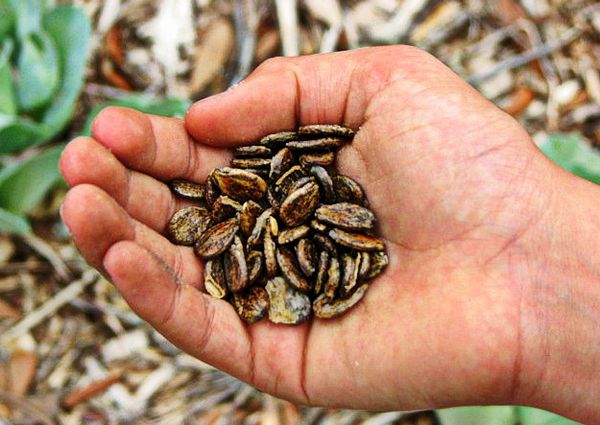
They make preparations in another way:
- For sowing, seeds are placed in a gauze bag and immersed in a weak solution of potassium permanganate.
- Then, place everything in a plastic bag or under film (covering material) and place it on a windowsill for three days, changing the water daily. Once the first sprouts appear, the film is no longer needed. This way, the seeds will germinate quickly.
Planting by seeds
Growing watermelons from seeds outdoors is not complicated and is similar to growing other crops outdoors. Therefore, the question "how to properly grow watermelons without seedlings" is very easy to answer. How to grow watermelons this way? Sowing the prepared seed should begin in May, when the soil temperature at a depth of 10 cm warms up to 12-14 degrees Celsius.
Add fertilizer to the holes to promote better development: mix ash, peat, and humus in a bucket. The amount of fertilizer depends on the size of your plot. Level and water the soil. Then, place five seeds in each hole, selecting one of the strongest seedlings later. Gently compact the soil and water the plants thoroughly.
Seedling method
Growing watermelons outdoors involves planting not only seeds but also seedlings. This method is widely used in areas with short, cold summers. How to grow berries this way? The seedlings are grown for 25–30 days in peat pots or plastic containers. They are filled with equal parts ash, peat soil, and compost. Among the wide selection of soils available at specialty stores, you can choose a ready-made mixture for growing watermelons from seedlings.
Plant the seeds in a few centimeters of moist soil. Then place all the pots under plastic wrap. The temperature there should be at least 20 degrees Celsius. When the first leaves begin to appear, move the seedlings to a cooler location.
The seedlings need regular watering with warm water. A single application of nitrogen and phosphorus fertilizers can be used. A couple of days before planting the watermelons outdoors, take the seedlings outside. This will help the seedlings acclimate and establish themselves easily in the open ground.
Selecting soil
An important question for this topic is what kind of soil is needed for watermelons in a garden or summer cottage. Planting and caring for them will be pointless if you place them in the wrong spot. Watermelons grow well in sandy loam or sandy soil. But in any case, planting will be successful if the soil is light. The location should be well-lit and warm. Growing watermelons is impossible in areas with nearby groundwater. Acidic and highly waterlogged soil is also unsuitable.
In the previous year, onions, alfalfa or legumes should have grown in the garden bed.
Watering and fertilizing
How should you care for watermelons after planting them outdoors? Outdoor care primarily involves watering and fertilizing. Once grown, the seedlings need to be watered regularly. You can even install drip irrigation at your dacha.
Don't overdo it, as this can cause the watermelon crop to lose its sugar content. The berries prefer infrequent but abundant watering. The average humidity level should be 85 percent. When the berries are setting, increase the watering, but as the fruit sets, reduce the amount of water.
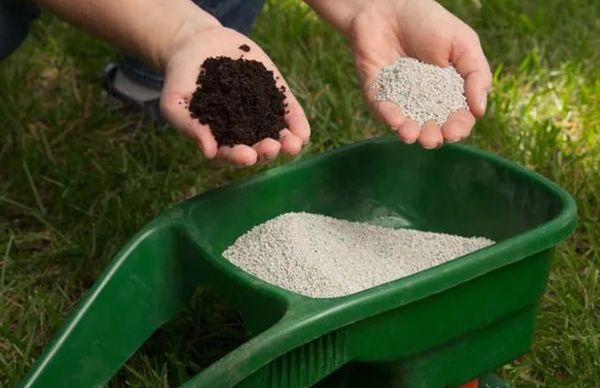
Caring for these berries outdoors requires fertilizing. A week after planting, the berries should be fed with a solution of superphosphate, ammonium sulfate, and potassium salts in a ratio of 40:30:15 g, respectively. A second feeding occurs during the active growth phase of the vines. Here, it's best to use ammonium sulfate, superphosphate, and potassium salts, but in a ratio of 20:10:35. If you don't reduce the superphosphate dose during the second feeding, the berries will grow high in nitrates. How can you make the plant even more resilient? No more than 2-3 berries should be left on a single plant.
Pest control
Growing and caring for watermelons becomes challenging when dealing with pests. Healthy watermelons can be achieved with timely preventative measures. This includes weeding the area.
The main pest of melons is the melon aphid. What does a watermelon infested with aphids look like? The first sign of their activity is the drying and curling of the leaves. If you don't monitor the plant, the female may lay eggs on it.
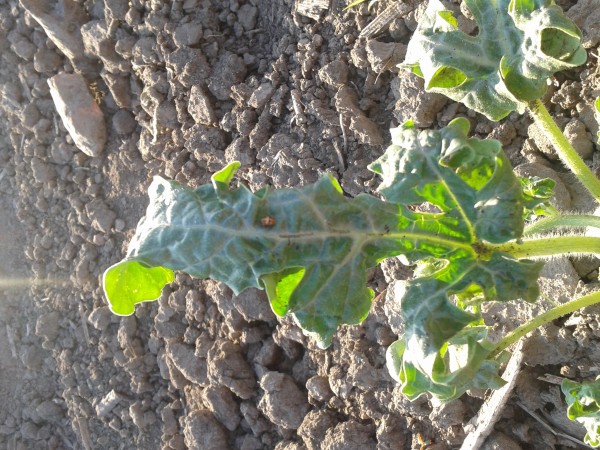
If you notice these pests, immediately treat your watermelon with an onion peel solution. Another unpleasant guest is spider mites. To combat them, you can use a datura infusion.
Video: Growing Watermelons in the Open Ground
In this video you will hear useful tips on growing watermelons.